Urban Habitat Pocket Parks Insights for June
Whenever I think about wildlife habitat restoration, my mind often jumps to vast forests, sprawling wetlands, or expansive grasslands. But today, I want to shift that perspective and highlight the incredible power that small, urban habitat pocket parks hold in breathing life back into nature—right in the heart of our cities.
These tiny green spaces might seem modest compared to wilderness areas, but they are vital sanctuaries for urban wildlife and crucial stepping stones in larger ecological networks.
What Are Urban Habitat Pocket Parks?
Urban habitat pocket parks are small-scale natural refuges nestled within city landscapes. They transform unused or underutilized plots—think vacant lots, street corners, or patches between buildings—into wildlife-friendly havens. Their size doesn't diminish their importance. On the contrary, they provide shelter, food, and breeding grounds for pollinators, birds, small mammals, and native plants that struggle to find space in bustling urban settings.
Creating and maintaining these pocket parks is about more than just adding greenery. It is about restoring a slice of natural habitat amidst concrete and asphalt, giving life a fighting chance in cities.
Why Focus on Urban Habitat Pocket Parks?
Urban areas cover a significant portion of our planet, and they continue to grow. This growth often means habitat loss and fragmentation, pressing wildlife out of their traditional territories. Pocket parks directly combat this trend.
- Support Urban Biodiversity: They serve as mini-wilderness islands where native species can thrive.
- Connect Fragmented Habitats: Acting as stepping stones, pocket parks help wildlife move between patches of green space.
- Improve Ecosystem Services: These parks help clean air and water, reduce urban heat, and enhance stormwater absorption.
- Enhance Community Wellbeing: Access to natural spaces uplifts mental health, encourages outdoor activity, and fosters a connection to nature within urban neighborhoods.
Recognizing their worth shifts the way we see urban planning and community development.
The Art and Science of Creating Pocket Parks
Every pocket park project tells its own unique story because every city space has its challenges and opportunities. Successful restoration blends scientific insight with creative solutions tailored to local needs.
Assessing the Site
First, understanding the site's history and current state is essential. Is the soil contaminated? What native species once thrived here? Which invasive plants or pollutants need control? This assessment informs practical actions.
Setting Clear Goals
What do we want the park to achieve? Boosting native pollinators? Creating a haven for birds? Offering community educational opportunities? Setting goals keeps efforts focused and measurable.
Choosing Native Plants and Features
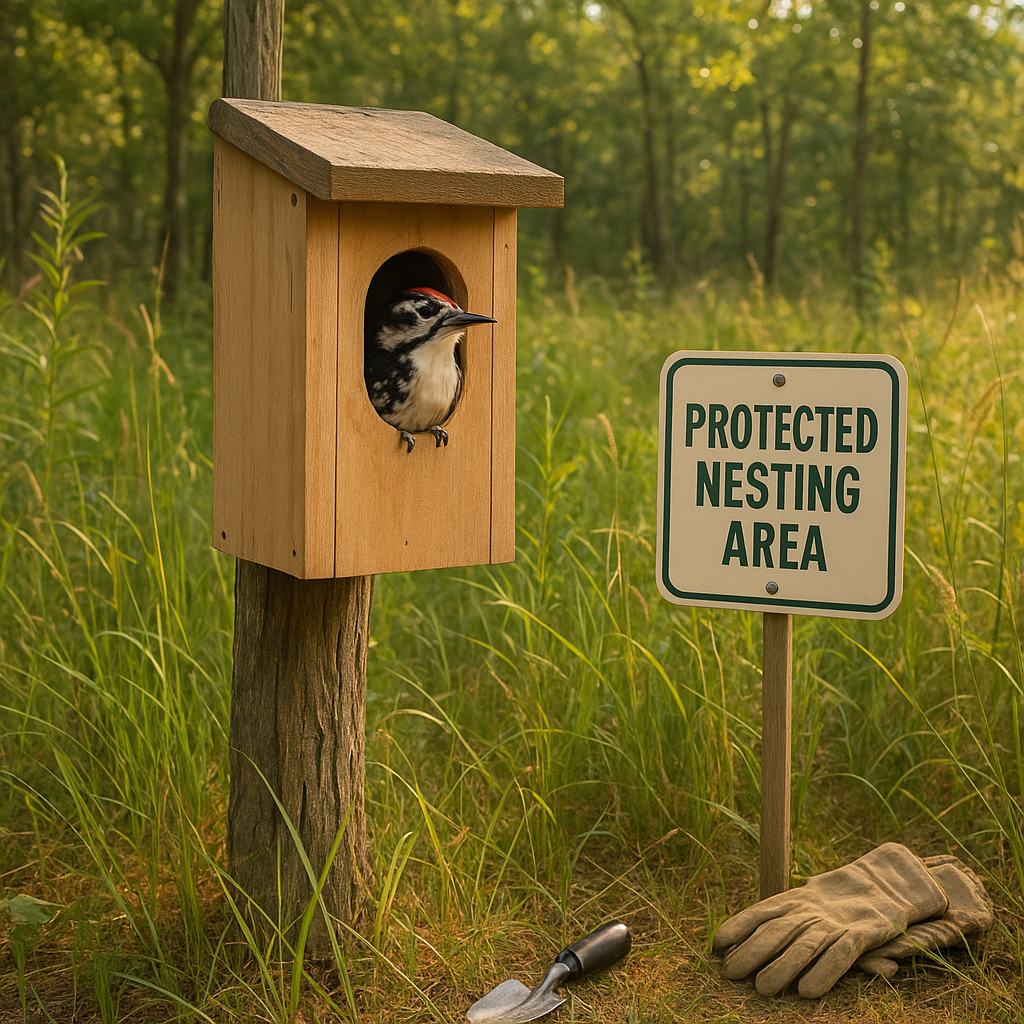
Selecting native plants is crucial. These species are adapted to local climates and support indigenous wildlife. Incorporating features like birdhouses, bee hotels, or small water elements can make the habitat even more inviting.
Hands-On Restoration and Maintenance
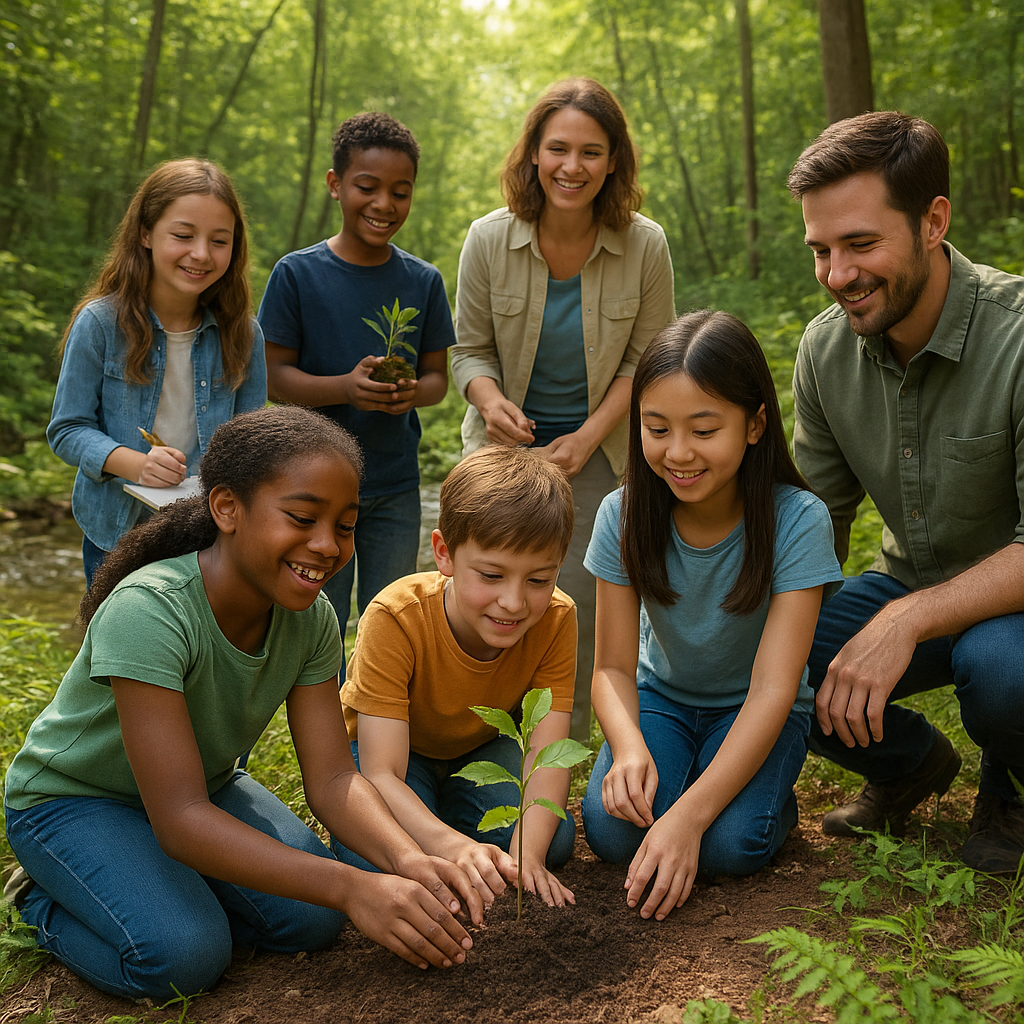
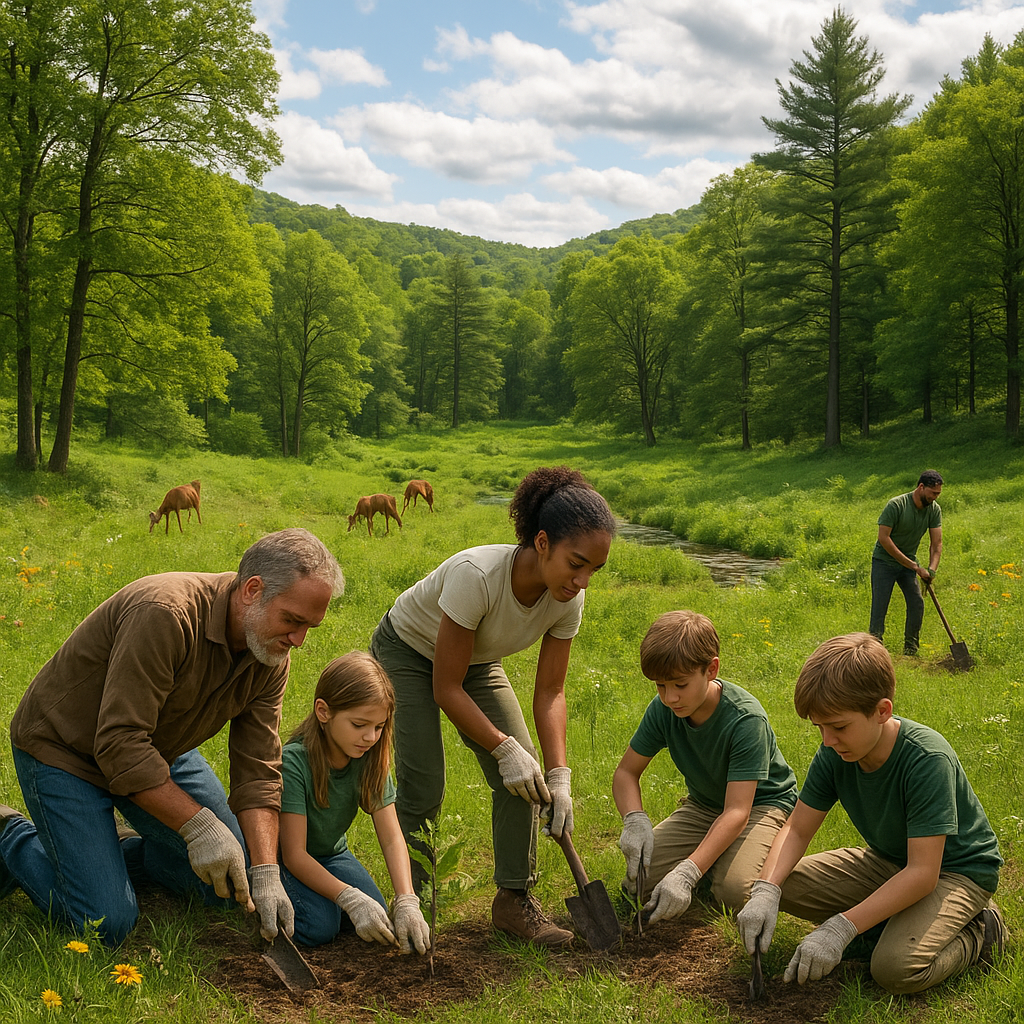
Planting native shrubs, removing invasive plants, enriching soils, and managing water flow are hands-on tasks that bring these spaces alive. Community participation often plays a pivotal role in ongoing care, turning stewardship into a shared value.
Inspiring Examples of Urban Pocket Park Success
Cities worldwide showcase the promise of pocket parks. Here are a few highlights:
- New York City's MillionTreesNYC Initiative: By planting trees and creating green spaces in dense urban areas, they revitalized neighborhoods and provided crucial habitat corridors.
- London's Pocket Parks Network: Across London, small parks and green spaces contribute to biodiversity and community health in severely built-up districts.
- Melbourne's Urban Biodiversity Projects: Focused on creating mini habitats in city centers, these efforts bolster native species and reconnect fragmented urban landscapes.
Each success story proves that when we invest in these small habitats, they yield outsized benefits.
How You Can Make a Difference in Your City
If you think urban habitat restoration is too big or complicated, think again. Here is how you can start:
- Get Involved Locally: Join or start neighborhood efforts to create or maintain pocket parks.
- Use Native Plants at Home: Even balcony pots or window boxes can support pollinators and birds.
- Advocate for Urban Green Spaces: Support policies that prioritize natural habitat in city planning.
- Share Knowledge: Educate friends and neighbors about the importance of these little green sanctuaries.
Every bit helps, and the collective impact is powerful.
Challenges and the Road Ahead for Pocket Parks
Urban habitat restoration through pocket parks faces its hurdles:
- Limited Space and Funding: Finding land and resources in dense cities is never easy.
- Climate Variability: Changing weather patterns require adaptive strategies in plant selection and design.
- Community Engagement: Sustaining interest and stewardship over time needs constant effort.
Yet innovation is inspiring. Cities employ technology, like GIS mapping, to identify potential sites, and community-led models foster stewardship. The future shines when science, policy, and people work hand in hand.
Conclusion: Championing Urban Wildlife Pocket Parks
Urban habitat pocket parks are not just pretty green spots on a map. They are vital lifelines for nature in our cities, places where ecology, community, and hope intersect. If you care about wildlife conservation, climate resilience, or simply making cities better places to live, supporting and creating these parks should matter deeply.
The task ahead may be challenging, but the reward is clear—a richer, healthier, more vibrant urban world. So let us roll up our sleeves and breathe life back into our urban spaces. Nature is waiting for us to make room.
Together, we can transform small city corners into thriving wildlife havens. And that is a cause worth every effort.