Environmental Curriculum For Schools Insights for April
When I began working on creating an effective environmental curriculum for schools, I had no idea how much it would change the way I view education and community involvement. This work is far more than just lesson planning. It is about planting seeds of awareness, responsibility, and action in young minds. Getting students engaged with real-world environmental issues can empower entire communities to think differently and act wisely.
What Is an Environmental Curriculum and Why It Matters
An environmental curriculum is more than teaching facts about nature or recycling. It is about helping students understand the connection between people and the planet, encouraging critical thinking, and inspiring behavior that supports sustainability. When schools bring this curriculum to life through community activities and hands-on learning, the impact grows beyond the classroom walls.
Why does this matter so much? Because today’s students will be tomorrow's leaders, decision-makers, and caretakers of our environment. If we want a future with cleaner air, safer water, and vibrant ecosystems, education must begin early and be meaningful.
How Education Builds Stronger Environmental Awareness in Schools
Education provides the foundation to understand complex environmental issues. But it has to be inclusive, relevant, and interactive. Traditional lectures just do not cut it anymore. In my experience, involving students in discussions, projects, and service learning creates lasting curiosity and commitment.
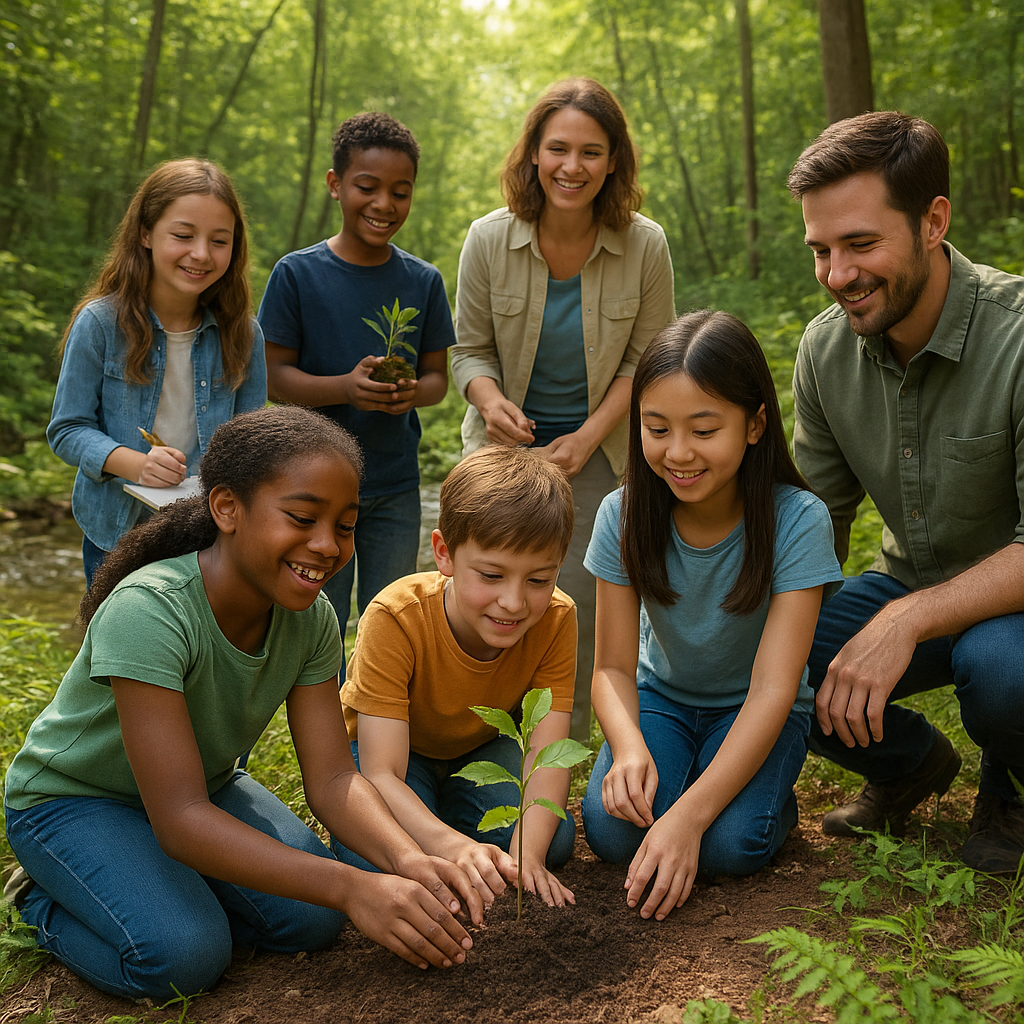
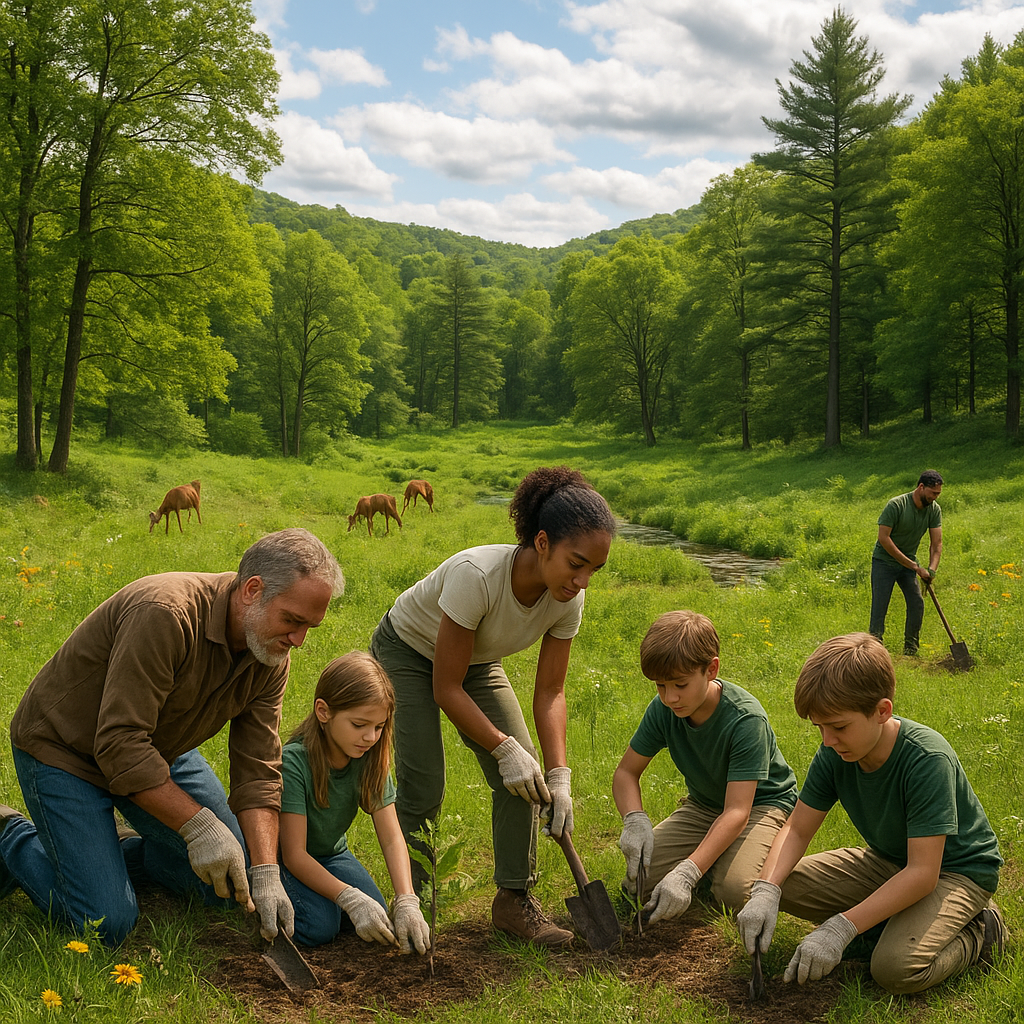
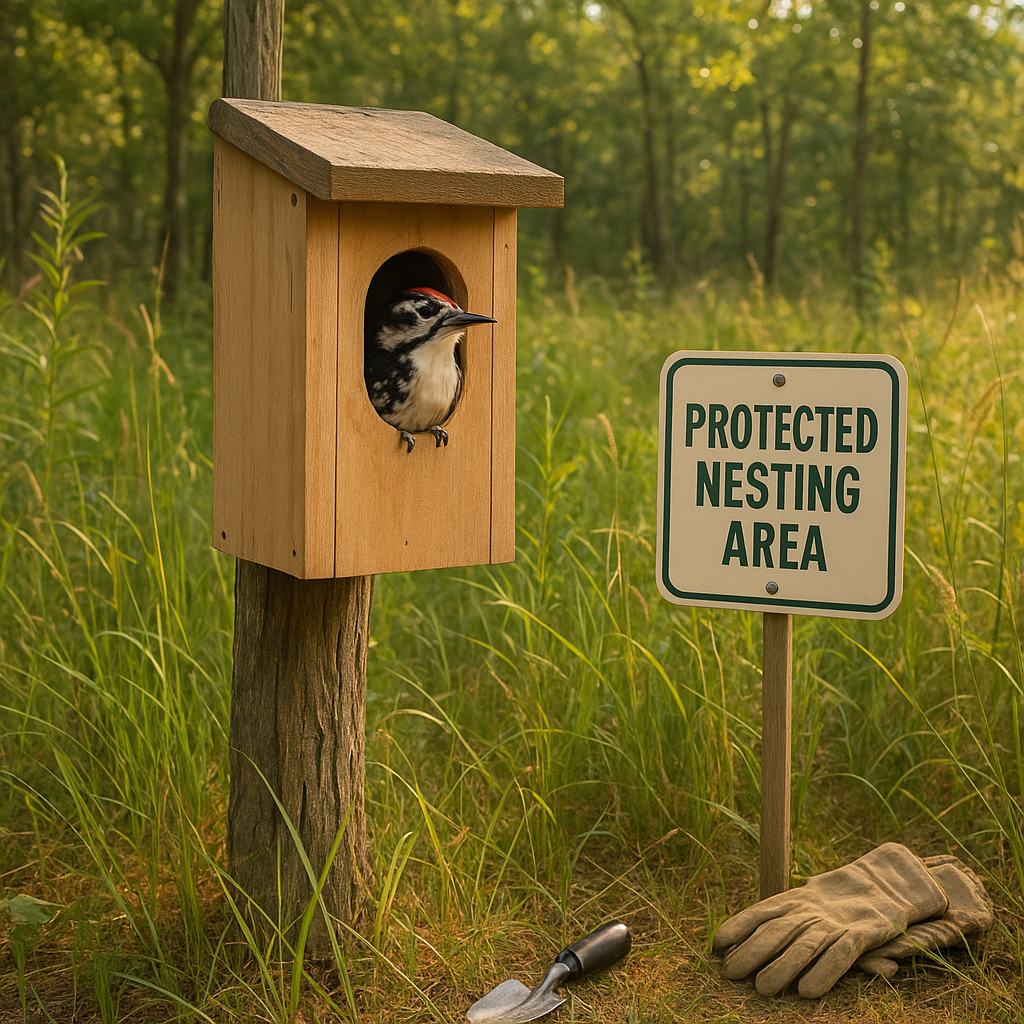
For example, hosting community clean-up days, planting gardens, or tracking local wildlife are simple, yet powerful activities. These experiences let students see the direct impact of their efforts. They learn teamwork, problem-solving, and develop pride in making a difference.
Practical Strategies for Developing an Environmental Curriculum
Over time, I have tried many approaches to developing and delivering an environmental curriculum. Some succeeded beautifully, others gave valuable lessons. Here are six strategies I find essential:
1. Listen to Students and Teachers
Understanding what students are interested in and what teachers need is critical. This means asking questions, gathering feedback, and being ready to adapt plans.
2. Create Inclusive Content and Activities
Make sure every student can connect with the material. Consider cultural backgrounds, abilities, and local environment so that lessons feel personal and relevant.
3. Use Storytelling to Make Topics Real
Facts alone rarely capture attention. Sharing stories about local environmental heroes or challenges brings issues to life and builds emotional connection.
4. Encourage Hands-On and Collaborative Learning
Field trips, experiments, group projects — these methods get students actively involved. Learning becomes exciting and memorable.
5. Combine Technology with Real-World Action
Digital tools like apps for tracking plants or air quality monitoring make learning interactive. Still, nothing replaces going outside and experiencing nature firsthand.
6. Implement Feedback and Continuous Improvement
Curriculums should evolve. Regularly check what works, what doesn’t, and make changes based on student outcomes and community input.
Overcoming Challenges in Environmental Education
Building a strong environmental curriculum is not without obstacles. Mistrust, limited resources, and diverse student needs can create challenges. I have found that patience, clear communication, and setting realistic goals help. Celebrating small milestones also keeps motivation high and builds momentum.
The Impact of Environmental Education on Communities
When students become informed and active, the effect spreads. Parents, neighbors, and local leaders start noticing. Communities grow stronger through shared purpose and commitment to protecting their environment.
I have seen how schools that invest in environmental education create ripple effects—more community gardens, better recycling programs, and stronger connections between people and the land. These are the signs of real change.
Final Thoughts and a Call to Action
If you work in education or care about the future of our planet, start by supporting or introducing environmental curriculums. It might be as simple as organizing a nature walk or bringing in guest speakers from local conservation groups. Small steps add up.
Together, we can equip the next generation with the knowledge and passion to build a healthier world. When schools lead this effort, entire communities become partners in creating lasting environmental solutions.
Thank you for reading these insights. If you have experiences or ideas about environmental education, please share them. Collaborative learning helps us all move forward toward stronger, greener communities.