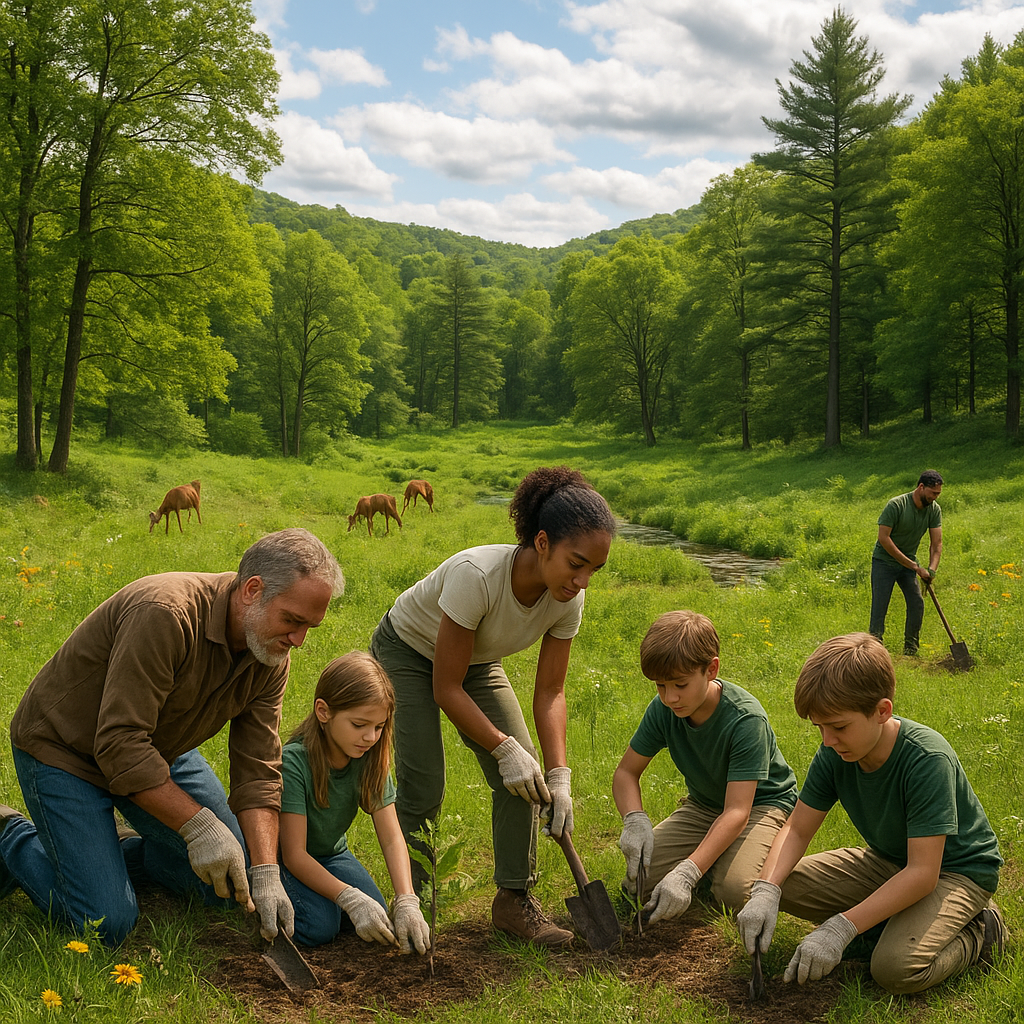
International Reforestation Funds Insights for April
When I first started working in environmental conservation, international reforestation funds felt like a distant concept—complex and tangled in bureaucracy. Over time, I realized that these funds are not just about money. They are critical engines driving global efforts to restore forests, combat climate change, and protect biodiversity. Without them, conservation policies might sound good on paper but would struggle to make an impact on the ground.
Why International Reforestation Funds Matter
Forests are essential for the planet’s health. They store carbon, shelter wildlife, regulate water cycles, and support communities. However, deforestation and degradation continue at an alarming rate. This is where international reforestation funds come in. They provide the financial resources needed to restore these ecosystems on a large scale.
These funds often come from governments, international organizations, philanthropic groups, and private sector partnerships. Their goal is clear and urgent: reverse forest loss while supporting social and economic benefits for local people.
How Policies Link to Reforestation Funding
Good policies and funding are two sides of the same coin. Policies set the rules and priorities for reforestation projects—defining what can be done, who benefits, and how progress is measured. Funding provides the fuel to turn these policies into action.
For example, international agreements like the Green Climate Fund or REDD+ initiatives provide frameworks that countries use to access funding for forest restoration. When policies align with funding opportunities, projects can expand, communities get involved, and measurable change happens.
Where the Money Comes From
Understanding where international reforestation funds originate is key to appreciating their impact. Here are some main sources:
- Government contributions: Wealthy nations often pledge funds to support global reforestation efforts as part of climate commitments.
- Multilateral institutions: Organizations like the World Bank and UN agencies manage and distribute large-scale funding.
- Private sector investments: Businesses increasingly invest in reforestation to offset carbon emissions or meet sustainability goals.
- Philanthropic foundations: Groups passionate about environmental causes offer grants and support innovative projects.
- Public crowdfunding: Local and global communities contribute directly to specific initiatives, emphasizing broad support.
Each source brings unique strengths but also challenges, such as ensuring transparency, adequate distribution, and long-term sustainability.
Common Challenges in International Reforestation Funding
Despite the growing flow of funds, several hurdles remain:
- Political commitment varies: Some governments prioritize economic growth over environmental conservation, limiting available funds.
- Complex application processes: Countries and organizations often face bureaucratic barriers to access international funding.
- Inequitable distribution: Indigenous peoples and local communities, key to forest stewardship, sometimes miss out on sufficient resources.
- Monitoring and evaluation: Measuring success in reforestation is difficult, affecting future funding decisions.
These challenges highlight why continuous improvements are needed—from simplifying funding mechanisms to promoting local involvement.
How to Improve the Impact of Reforestation Funds
In my experience, strengthening international reforestation funding requires collaboration and innovation:
- Clear policy frameworks: Governments must establish policies that prioritize reforestation and make funding pathways straightforward.
- Inclusive funding models: Funds should meaningfully involve indigenous peoples and local communities, recognizing their knowledge and rights.
- Adaptive funding tools: Emerging methods like carbon credit markets and payment for ecosystem services can attract new investments.
- Transparency and accountability: Managing funds openly builds trust and ensures resources reach where they are most needed.
- Education and capacity building: Training local stakeholders to manage projects ensures lasting benefits beyond initial funding cycles.
Final Thoughts: Investing in Our Future Forests
International reforestation funds are more than just financial transactions—they represent global hope for restoring ecosystems that sustain life on Earth. I have seen firsthand that when policies and financing align, they unlock powerful momentum for positive change. But this is a marathon, not a sprint. The work demands patience, persistence, and smart partnerships.
If you care about the environment, I encourage you to follow developments in reforestation funding closely. Support transparency, advocate for inclusive policies, and champion innovative funding solutions. Forests are our planet’s lungs and life-givers. Protecting and restoring them requires all of us working together—across borders, sectors, and communities.
What experiences have you had with international reforestation efforts or conservation funding? Have you witnessed examples where funds made a clear difference or where challenges held projects back? I’d love to hear your insights and stories—let’s keep the conversation alive.