Endangered Species Nesting Support Insights for April
There is a special kind of satisfaction that comes with helping endangered species find safe places to nest. Over the years, I have learned that supporting nesting for these vulnerable creatures is not just about providing shelter. It is a careful, ongoing commitment that blends science, observation, and respect for nature’s rhythms. In this post, I want to share my personal experiences and essential insights around endangered species nesting support.
Understanding Nesting Support for Endangered Species
Nesting support means creating or restoring environments where endangered species can safely lay eggs, raise their young, and thrive. These habitats are often delicate and require detailed care.
When natural nesting sites are destroyed or altered by human activity, invasive species, or climate changes, endangered animals like birds, turtles, and amphibians struggle to reproduce. Helping them by protecting or creating ideal nesting conditions can make a real difference for their survival.
Why Nesting Support Matters
Why pour time and resources into nesting support? The reasons extend beyond the animals themselves.
-
Protecting Species Survival
Without safe nesting, endangered species cannot reproduce effectively. Supporting nests helps maintain their populations and prevents extinction. -
Maintaining Ecosystem Balance
Each species plays a role in its ecosystem. When their nesting fails, we risk disrupting food chains and natural processes. -
Environmental Awareness and Education
Engaging communities in nesting support builds awareness about conservation and inspires ongoing stewardship. -
Combating Climate Change Effects
Many species face habitat loss due to climate changes. Nesting support offers a buffer against these pressures by creating habitats that might otherwise vanish.
My First Experience Supporting Endangered Nesting
I remember the first time I was directly involved in helping an endangered bird species with nesting. The site was a patch of tall grassland, slowly shrinking due to nearby development. The birds needed undisturbed ground and some natural cover to nest safely.
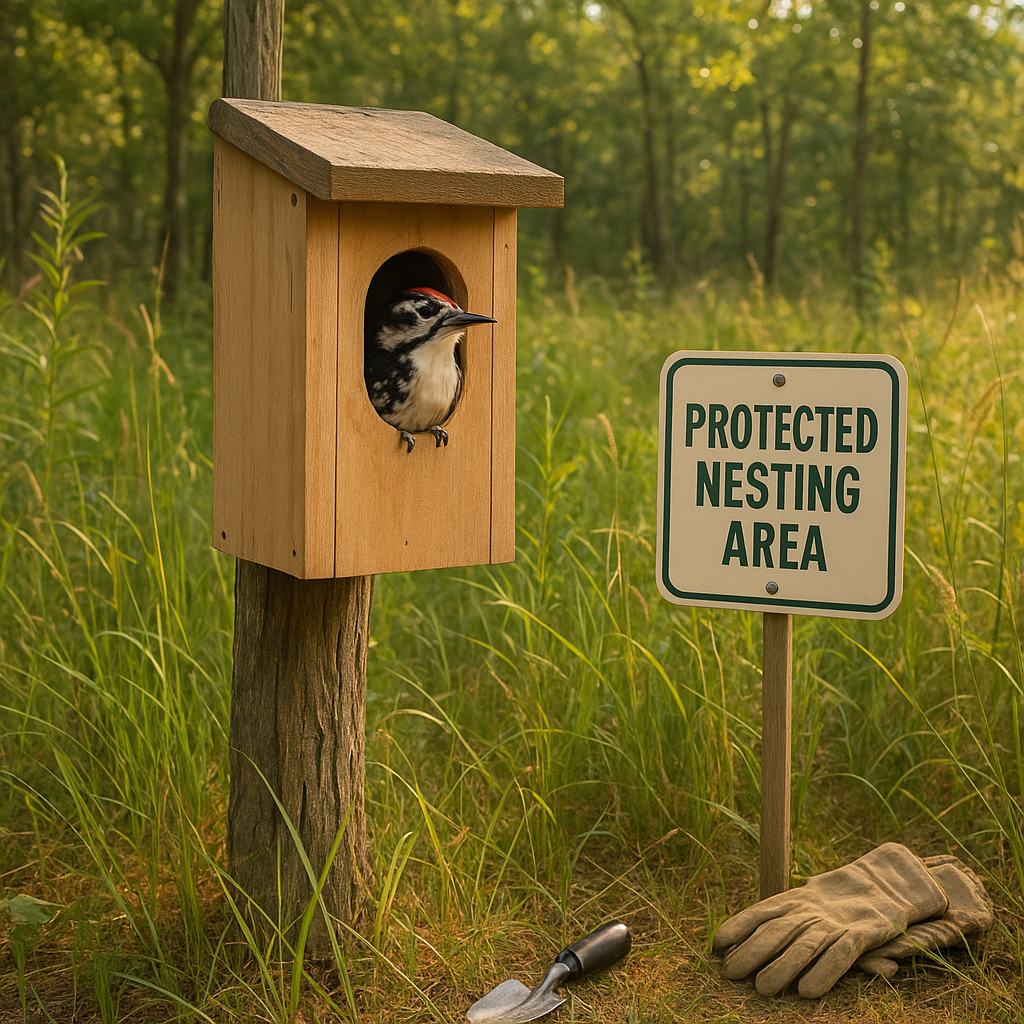
At first, it seemed fragile and almost hopeless. But with patience, we cleared invasive plants and planted native grasses. We also installed discreet nesting boxes in strategic spots. Slowly, signs of nesting appeared. Hearing those first chirps was unforgettable. It proved that even small actions can lead to meaningful recovery.
Key Steps for Effective Nesting Support
Based on my experience and research, these steps make nesting support work well:
1. Habitat Assessment
Start by understanding the current state of the habitat. What species are nesting nearby? What kind of shelter and food do they need? This step is crucial to tailor support efforts precisely.
2. Invasive Species Management
Invasive plants and animals can quickly take over nesting areas, making them unsuitable. Removing and controlling these threats ensures the native species have a chance to flourish.
3. Creating or Enhancing Nesting Sites
Whether by restoring native vegetation or adding nesting boxes and platforms, providing safe nesting spots improves reproductive success. Placement and design must match species-specific needs.
4. Minimizing Human Disturbance
Endangered species are easily stressed by too much noise or movement near nests. Setting up buffer zones or restricting access during breeding seasons protects them during critical times.
5. Ongoing Monitoring and Maintenance
Checking nests regularly helps track success and identify new challenges. Adjusting strategies based on observations keeps support effective over time.
Overcoming Challenges Along the Way
Supporting nesting for endangered species is rewarding but often complex. Weather can be unpredictable; storms may destroy nests. Predators sometimes find ways past protections. Funding may be limited and permits slow to come through. Worst of all, results can take time to show up. Patience and persistence are essential.
I have found that flexibility and a willingness to learn from setbacks keep efforts moving forward. Nature is a tough partner, but when it cooperates, the payoff is priceless.
Why Community Involvement Matters
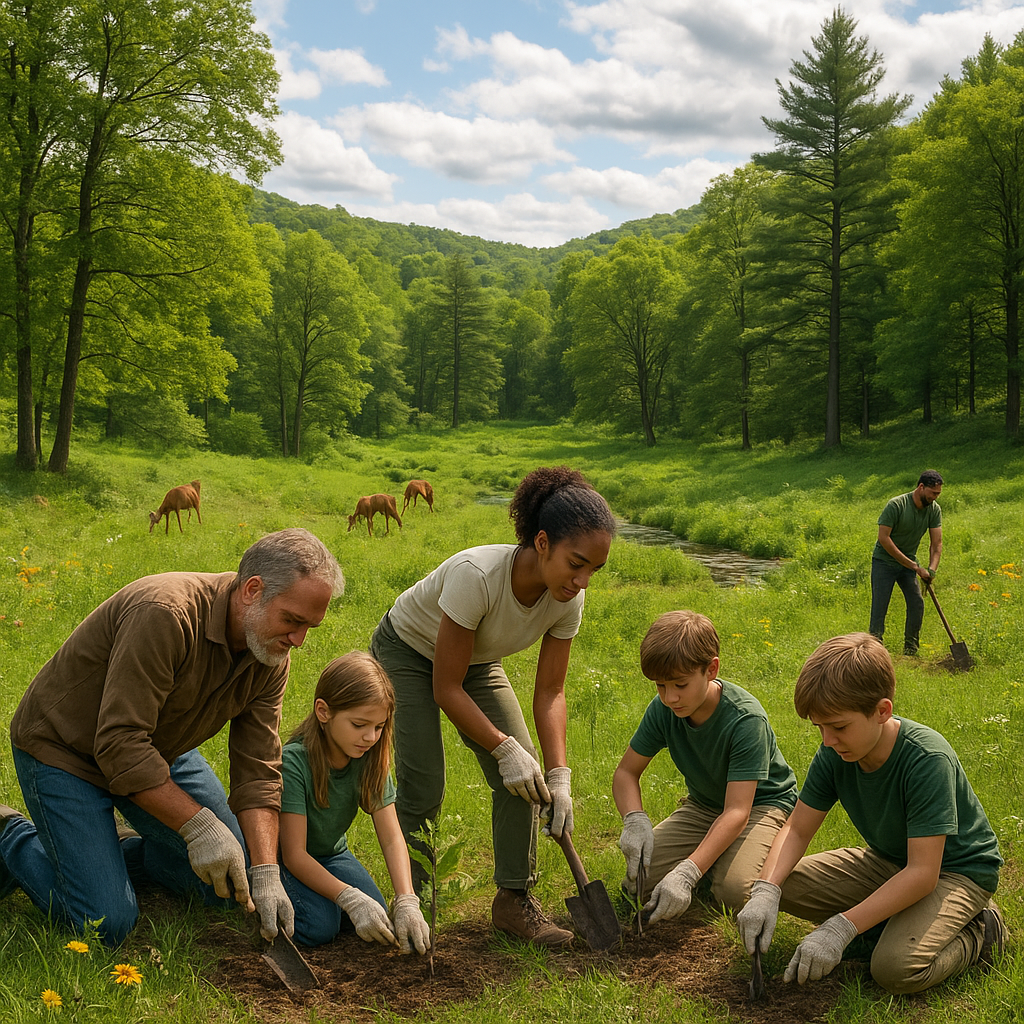
Time and again, I have witnessed how local community involvement magnifies the impact of nesting support work. Volunteers help with planting, monitoring, and educating others. When people connect with endangered species in their area, they become passionate protectors.
In one project, local schools helped install nesting structures. The students’ enthusiasm spread awareness beyond the project itself, creating a layer of protection through community care.
How You Can Help Endangered Species Nesting
Not everyone works directly in the field. Still, there are many ways to support endangered species nesting from home and in your community:
- Plant native shrubs and grasses that provide cover for nests.
- Remove invasive plants from your garden or neighborhood.
- Build or install nesting boxes designed for local endangered species.
- Volunteer with local wildlife groups during breeding seasons.
- Spread awareness about the importance of undisturbed nesting habitats.
- Support policies that protect natural habitats from development.
Each action builds a larger network of safe nesting areas that help endangered species persist.
Looking Ahead: Supporting Nesting in a Changing World
The challenges facing endangered species nesting will likely increase with climate change and urban growth. But advances in technology and community engagement offer hope.
New tools like remote cameras and drones help monitor nests without disturbance. Citizen science projects allow more hands to track and protect vulnerable species. Seed funding for habitat restoration continues to grow.
Supporting endangered species nesting is an ongoing effort. It takes dedication, collaboration, and a willingness to adapt. But I am confident that together we can create safe spaces where these species continue their life cycles for generations.
Final Reflections
Helping endangered species find secure nesting sites has taught me patience and respect for nature’s delicate balance. It reminds me that small actions can ripple out to profound impacts.
If you are thinking about getting involved, do it. The work is challenging but deeply rewarding. You will witness life’s resilience firsthand and join a global effort to protect the future of our planet’s wild inhabitants.
Nature depends on us to support it. Together, we can build a future where endangered species have the safe nesting places they need to survive and thrive.
Thank you for reading. May this post inspire you to take steps that support endangered species nesting in your own community. Every nest counts.