Seed Ball Diy For Kids Insights for June
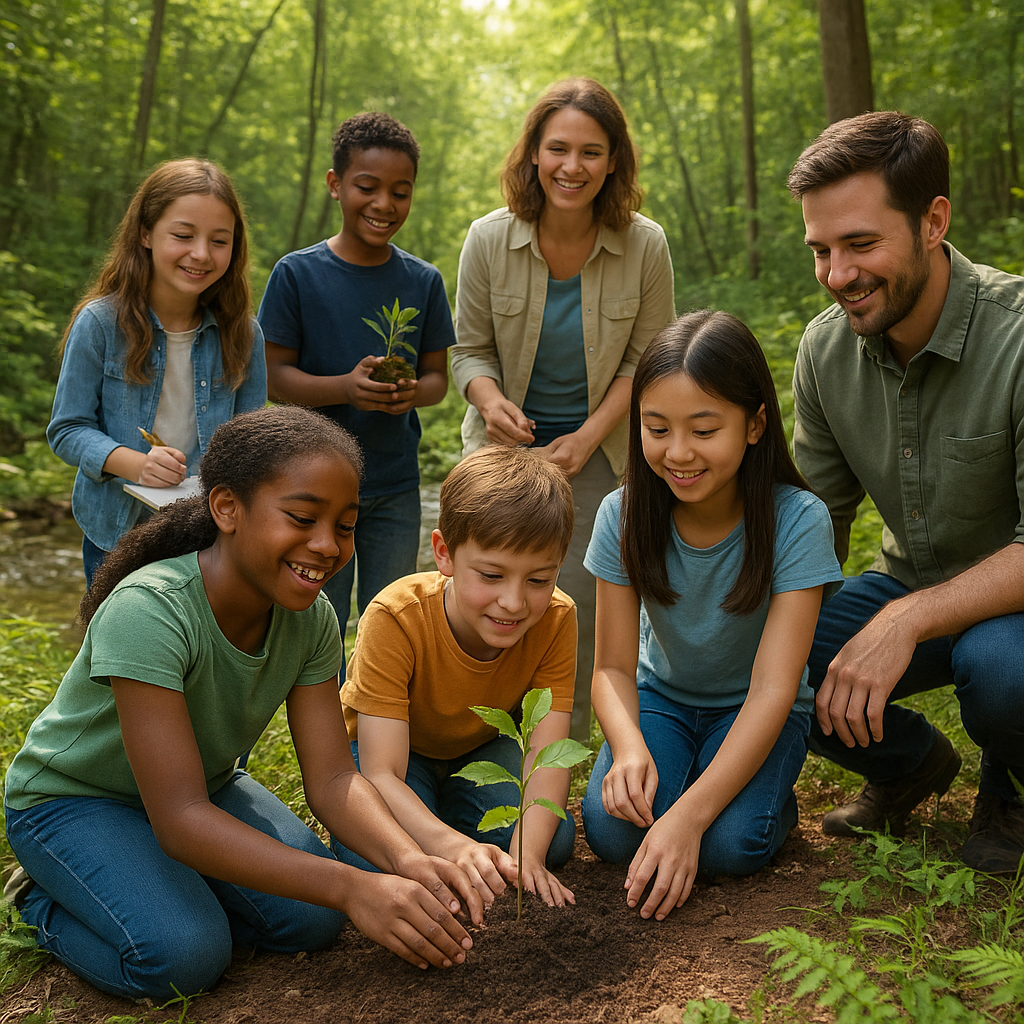
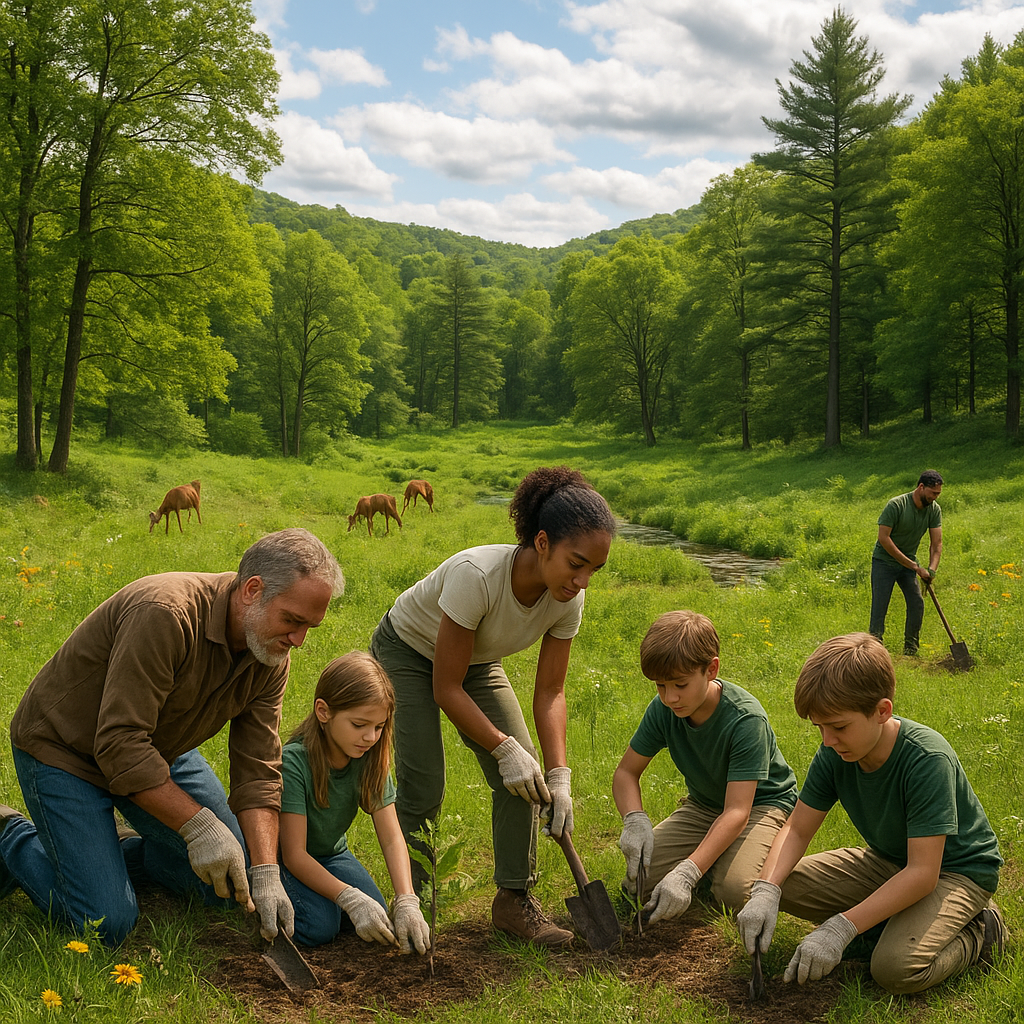
I’ve always believed that teaching kids about nature is one of the most rewarding experiences. There’s something magical about watching little hands get messy while creating seed balls that can grow into thriving plants. Seed balls are not just fun crafts; they are powerful tools to introduce kids to reforestation and environmental care.
In this blog, I want to share everything I have learned about seed ball DIY for kids. Whether you are a parent, teacher, or just someone who loves hands-on eco-friendly projects, these insights will help you bring nature closer to children and inspire them to be part of the green movement.
Why Seed Balls Are Perfect for Kids
Seed balls are simple mixtures of seeds, clay, and compost molded into small balls. But their simplicity is what makes them brilliant for kids. They are easy to make, require minimal supplies, and give instant satisfaction. Kids can see the result of their effort as the plants start sprouting in the soil where the seed balls are tossed.
Benefits That Stand Out
- Encourages curiosity about plants and growth cycles.
- Teaches responsibility with caring for seed balls after planting.
- Makes the concept of reforestation accessible and fun.
Plus, this activity gets kids outdoors, away from screens, engaging with the earth in a meaningful way.
How to Make Seed Balls With Kids: Step by Step
Making seed balls is straightforward but doing it with kids requires patience and creativity. Here’s a method that has worked for me time and again:
Materials Needed
- Garden or wildflower seeds suitable for your region
- Clay powder (natural and chemical-free)
- Compost or potting soil
- Water
- A mixing bowl
- A tray or newspaper to dry the seed balls
Instructions
- Mix one part seeds with five parts compost and five parts clay powder in the bowl.
- Slowly add water, little by little, until you get a dough-like consistency. It should hold together without being too sticky.
- Show the kids how to roll the mixture into bite-sized balls. Fun shapes and colors are a great way to involve their imagination.
- Place the seed balls carefully on the tray or newspaper and let them dry for 24-48 hours.
- Once dry, they are ready to be tossed into a garden, park, or any bare soil area.
Tips to Make the Activity More Engaging
I have found that involving kids in every step improves their attention and care for the seed balls. Here are some ways to make the DIY process even more exciting:
- Explain why each ingredient is important — clay protects the seed, compost feeds it, and water binds the mixture.
- Add natural colors using powdered spices like turmeric or beetroot powder to personalize the seed balls.
- Turn it into a story time about how these balls can help bring forests back and why trees matter.
Where and When to Use Seed Balls
Seed balls are versatile but some places work better than others for kids to use them safely and see results.
- Spaces with bare soil free from heavy foot traffic.
- School gardens or community green spaces.
- During seasons with good rainfall to support germination naturally.
Spring and early summer are usually the best times to make and plant seed balls. However, adjusting to local climate conditions is key to success.
The Lasting Impact: Teaching Kids Environmental Stewardship
Beyond the fun and mess, seed ball DIY is about planting seeds of care, responsibility, and hope. Kids learn early that they can contribute to making a difference, one small ball at a time.
Involving children in these activities can spark a lifelong connection with nature. It also gives them the confidence to become tomorrows environmental champions.
Final Thoughts: Get Started Now
Seed balls are simple, affordable, and powerful. They turn a fun craft into a lesson on sustainability and reforestation. If you are looking for a hands-on way to involve kids in caring for the planet, this is it.
So gather your supplies, gather the kids, and start rolling those seed balls. Remember every seed sown today is a tree growing tomorrow.
Ready to dive deeper? I’ll soon share guides on choosing the best seeds for your region and troubleshooting seedlings. Keep an eye out for updates.
Let me know your seed ball stories or tips below. I’m excited to hear and learn from your experiences!