Local Reforest Hackathons Insights for October
I still remember the first time I saw the real power of community coming together to make a difference. It wasn’t in a classroom or a boardroom. It was in a park where people gathered for a local reforest hackathon. There, in the middle of excited conversations, shared tools, and hopeful plans, I realized something important. When communities engage, learn, and collaborate, change doesn’t just happen — it accelerates.
What Makes Local Reforest Hackathons So Important?
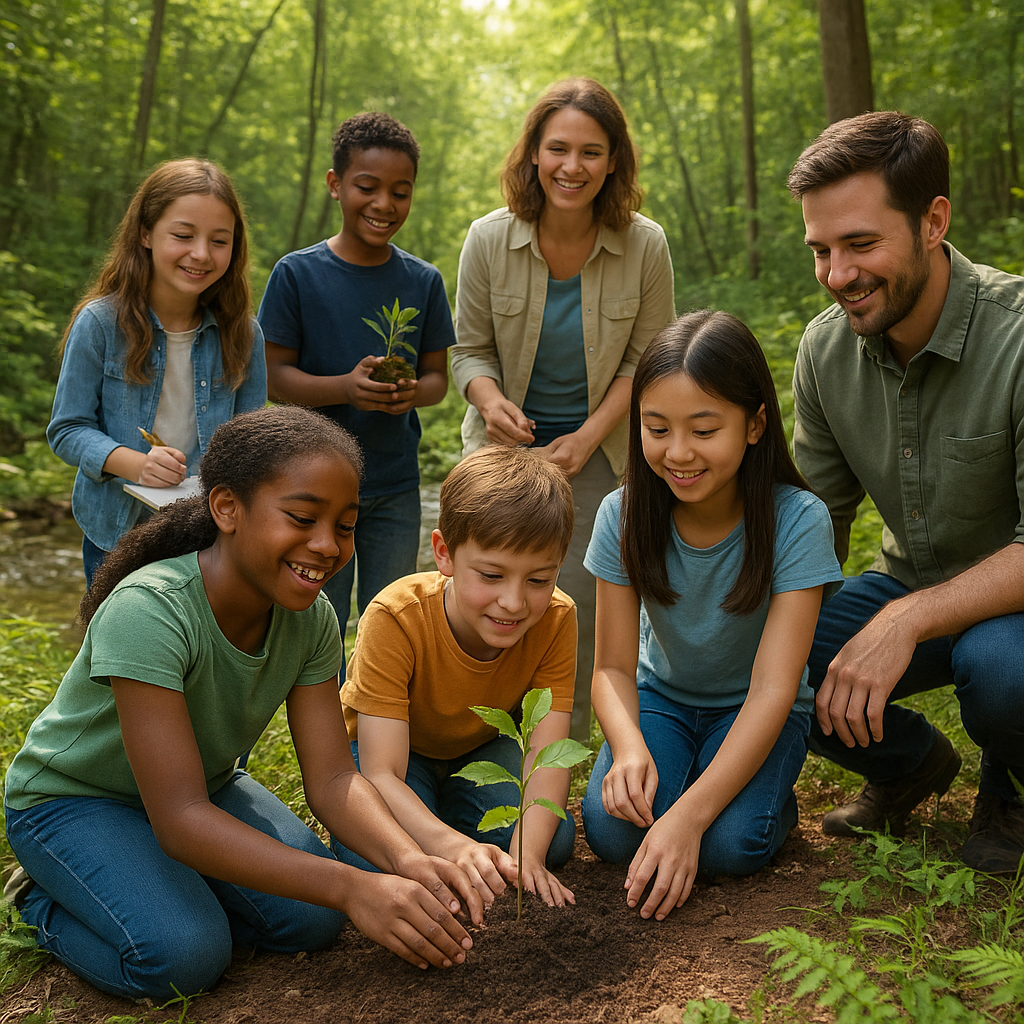
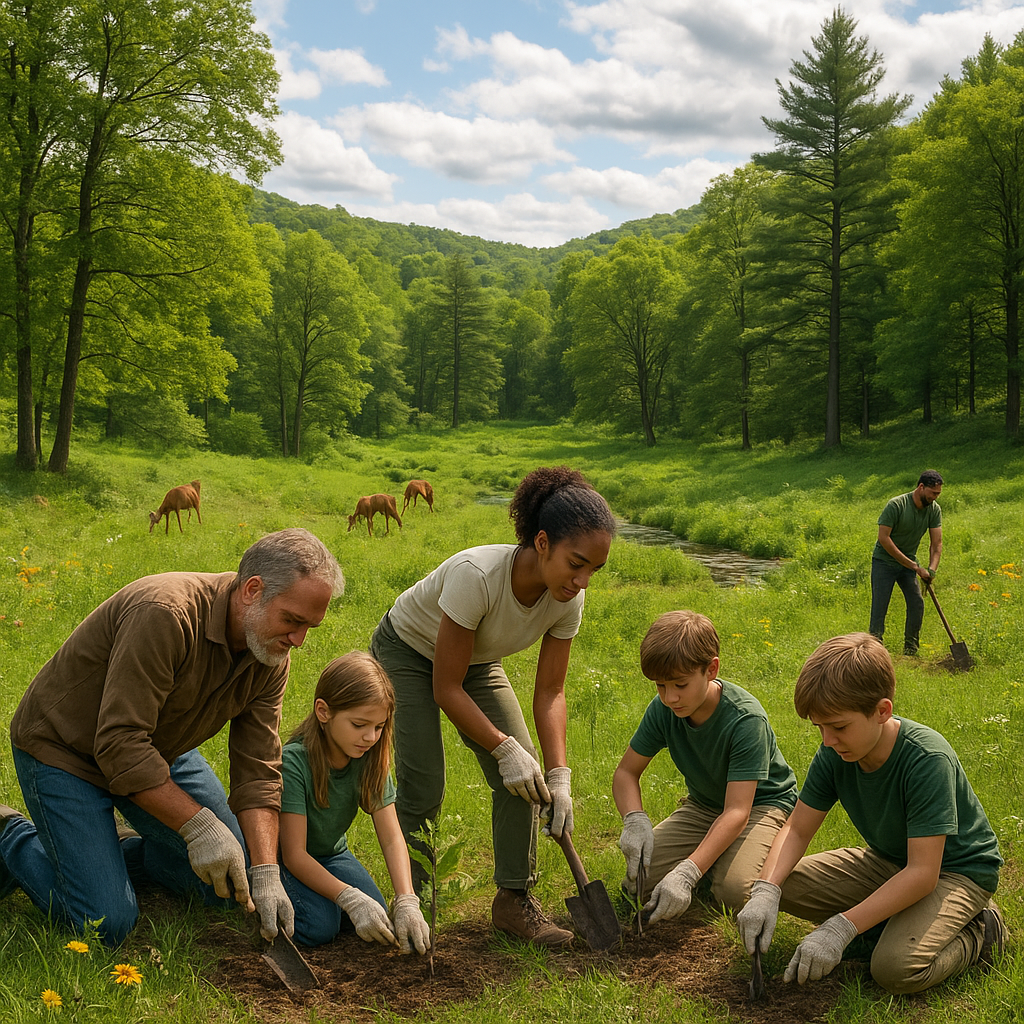
At their core, local reforest hackathons bring people directly into the heart of environmental action. They are events where community members, technologists, environmentalists, and everyday citizens unite to develop practical solutions that promote urban and rural reforestation. These gatherings blend education with hands-on work and creative problem-solving.
Community engagement in these hackathons is not just about planting trees. It’s about building trust, sharing knowledge, listening to real local needs, and energizing people to protect and restore their environment. Education plays a crucial role — it’s about making science and strategy accessible, not overwhelming.
Why Should We Prioritize Engagement and Education in Reforestation?
The benefits are huge:
- Empowering Residents: When people understand why reforestation matters and how they can help, they gain confidence and ownership over their local environment.
- Building Stronger Communities: Working together on a shared goal builds connection, creating social ties that last beyond the event.
- Creating Lasting Impact: Local input ensures reforestation efforts suit the specific environment and culture, boosting sustainability.
- Promoting Informed Action: Education equips people to make smart choices about native species, planting techniques, and maintenance.
Without genuine engagement and clear education, many green projects lose momentum or fail to meet real community needs.
My Experience with Local Reforest Hackathons
Having participated in several reforest hackathons across different regions, I’ve seen firsthand how varied and dynamic community involvement can be. One hackathon I attended took place in a city struggling with heat islands. Instead of a top-down plan, organizers encouraged participants to map heat spots and brainstorm reforestation strategies tailored to those areas.
The conversations flowed freely — people brought up challenges like soil quality, vandalism, and inexperience with tree care. But instead of hurdles, these became starting points for innovation. We learned together and adjusted the project accordingly. The best ideas came when everyone felt heard.
Effective Strategies for Engagement and Education in Reforest Hackathons
Getting people involved and informed requires thoughtful approaches. Here are some techniques I’ve seen work well:
1. Build Trust Through Clear Communication
Transparency is key. Share your goals honestly and update participants on progress, challenges, and changes. When people see authenticity, they are more likely to invest their time and energy.
2. Promote Participatory Learning
Move beyond lectures. Host workshops, group discussions, and hands-on planting sessions where participants learn by doing and sharing. This open exchange reveals local insights often missed by outsiders.
3. Customize Content to the Audience
Not everyone has the same background. Use simple language, visual aids, and examples that reflect local realities. Making information relatable helps everyone understand and engage deeply.
4. Partner with Local Champions
Find community leaders, activists, or trusted neighbors who can spread the word, motivate participation, and keep momentum going after the event ends.
5. Maintain Ongoing Engagement
Reforestation is a long-term effort. Keep communication channels open — whether through social media groups, follow-up meetings, or newsletters — to support continuous learning and action.
Overcoming Challenges Along the Way
Reforest hackathons come with their own set of challenges:
- Limited Resources: Funds, tools, and volunteer availability can be tight, but creative solutions and partnerships often fill gaps.
- Cultural Differences: Communities may have varying attitudes toward forests, nature, and outsiders — sensitivity and respect are essential.
- Skepticism and Mistrust: Previous failed projects can make people wary; earning trust takes time and consistent effort.
- Diverse Priorities: Reaching consensus in a community with many voices isn’t easy, but striving for inclusion builds stronger plans.
Challenges don’t mean defeat. They teach us how to improve and deepen community ties.
The Ripple Effects of Successful Reforest Hackathons
When a community comes together around local reforestation, the impact extends beyond the trees. Participants often become environmental ambassadors, spreading knowledge and inspiring others. Youth learn leadership skills, elders share traditional land knowledge, and neighborhoods transform into greener, more livable spaces.
These grassroots movements create resilience. They prepare communities to face environmental threats but also build hope — a sense of agency and pride that change is possible.
Final Thoughts: Your Role in Local Reforest Hackathons
If this resonates with you, know that joining or organizing a reforest hackathon doesn’t require grand plans or big budgets. Listen more than you speak. Share knowledge clearly and invite everyone to participate. Small actions spark big change.
Community engagement and education are not just buzzwords for green projects — they are the foundation of success. Together, through local reforest hackathons, we can grow healthier environments and stronger communities.
Let’s get planting and learning. The Earth and future generations will thank us.