Volunteer Tree-Planting Stories Insights for March
When I first got involved in volunteer tree planting, I assumed it was just about digging holes and planting saplings. But over time, I realized it runs much deeper. It’s about community — people coming together to make a lasting impact, to nurture the earth, and to build connections that matter. Let me share why volunteer tree planting is such a powerful form of community engagement and education in today’s world.
Volunteer Tree Planting Is More Than Just Planting Trees
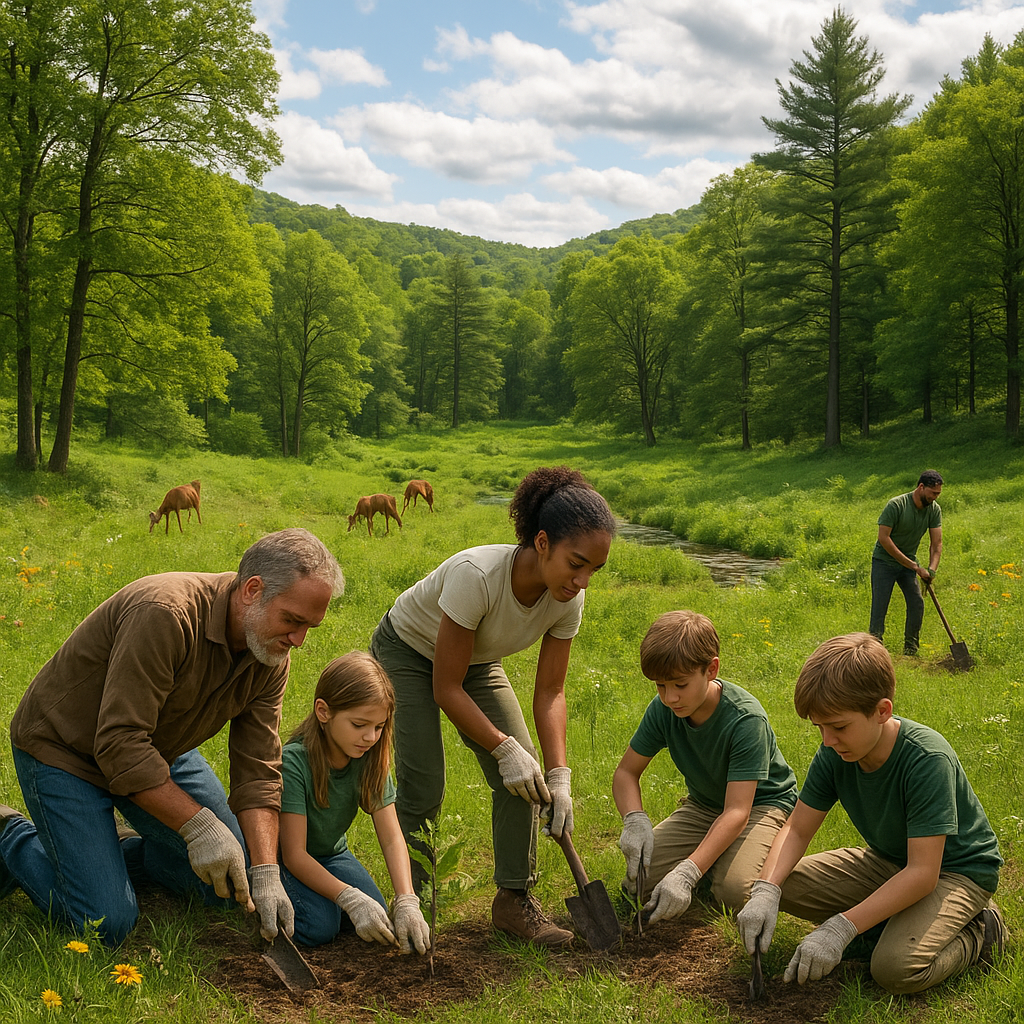
Volunteer tree planting brings people face to face with nature and with each other. It is about taking direct action to improve the environment and, at the same time, learning and educating. Whether you are a local resident, a student, or part of an organization, planting trees offers a unique way to get involved, contribute, and grow personally.
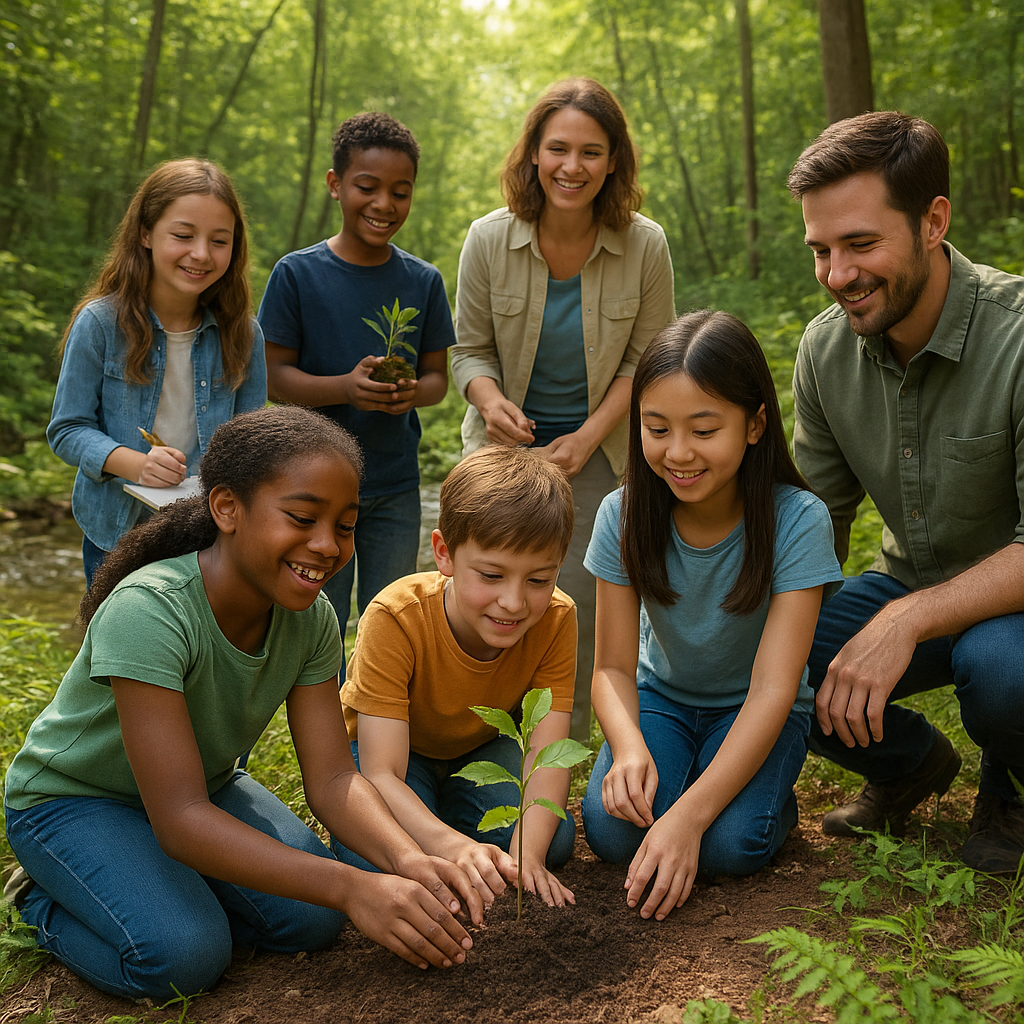
Often, tree-planting events serve as a platform for education. Volunteers learn about native trees, local ecosystems, and how urban forests help reduce climate risks. This knowledge creates a ripple effect. Informed volunteers become advocates who spread awareness in their families and communities, further multiplying the impact.
How Education Enhances the Volunteer Tree-Planting Experience
Education doesn’t end when the sapling goes into the ground. It begins there. Understanding why a specific tree is chosen or the environmental challenges it addresses turns the act of planting into something meaningful.
I have seen this firsthand during tree-planting campaigns. People leave with a sense of purpose and a deep respect for the environment. They gain skills like proper planting techniques and learn about ongoing tree care. These are lessons that stick and empower volunteers to continue making green choices beyond just one event.
Popular Educational Approaches in Tree-Planting Projects
- Hands-On Demonstrations where experts guide volunteers through planting processes.
- Informal Talks and Storytelling sharing local ecological history and success stories.
- Printed Guides and Visual Aids providing quick tips and interesting tree facts.
- Follow-Up Workshops teaching maintenance, pruning, and pest management.
Why Tree Planting is Essential for Communities Today
In cities and towns worldwide, green spaces are shrinking. The consequences are clear: higher temperatures, poor air quality, and loss of wildlife habitat. Tree planting addresses these issues directly and visibly.
But the true strength comes from the community itself. When people plant trees together, they build trust, learn cooperation, and develop pride in their local environment. This collective energy fuels broader environmental actions and fosters resilience amid global challenges like climate change.
Over time, I’ve witnessed neighborhoods transform. Streets once barren now boast vibrant canopies. Children learn to appreciate nature, and neighbors bond over shared efforts. These small, green acts spark bigger changes.
Real Volunteer Tree-Planting Stories That Inspire
Take the story of a group of volunteers who planted hundreds of native trees along an urban riverbank. They turned what was once a neglected space into a thriving green corridor filled with bird songs and fresh air. The community organized clean-up days and educational walks to protect the new habitat.
Or remember the youth team in a small town who led a month-long tree-planting drive. Their enthusiasm inspired local schools to include environmental education in their curricula. Parents and teachers joined in, creating an intergenerational movement focused on stewardship.
These stories prove that volunteer tree planting is more than just physical work. It is an enduring symbol of hope, cooperation, and learning.
How You Can Get Involved and Make a Difference
If this resonates with you, here are some practical steps to help you get started or deepen your involvement:
1. Find Local Tree-Planting Events
Keep an eye out for initiatives by environmental groups, municipalities, or schools. Participating is easy and welcoming for all skill levels.
2. Share Your Knowledge and Learn from Others
Use conversations and social media to spread tree-planting tips and stories. Exchange ideas openly, and encourage others to join.
3. Support Maintenance Beyond Planting Day
Trees need care, especially young ones. Join or organize watering groups, pruning sessions, or educational workshops.
4. Connect with Community Leaders and Schools
Collaborate to build long-term programs that combine action with environmental education.
5. Celebrate Successes
Acknowledge every tree planted and every volunteer effort publicly. Recognition inspires continued commitment and shows tangible impact.
Final Thoughts: The Power of Trees and People
Volunteer tree planting is a beautiful mix of hands-on work and heart-felt engagement. It teaches us how small efforts add up. It strengthens communities and deepens our bond with nature.
Every tree planted is a story, a lesson, and a step toward a healthier planet. If you want to make a real difference, consider planting or volunteering this month. The earth and your community will thank you.
Ready to take action? Look for local tree-planting groups or start one yourself. Keep learning, keep planting, and spread the green!
I’d love to hear your tree-planting stories. How has volunteering shaped your view of the environment and community? Drop your thoughts and experiences below—let’s grow this conversation together.