Fire-Resistant Tree Species Selection Insights for May
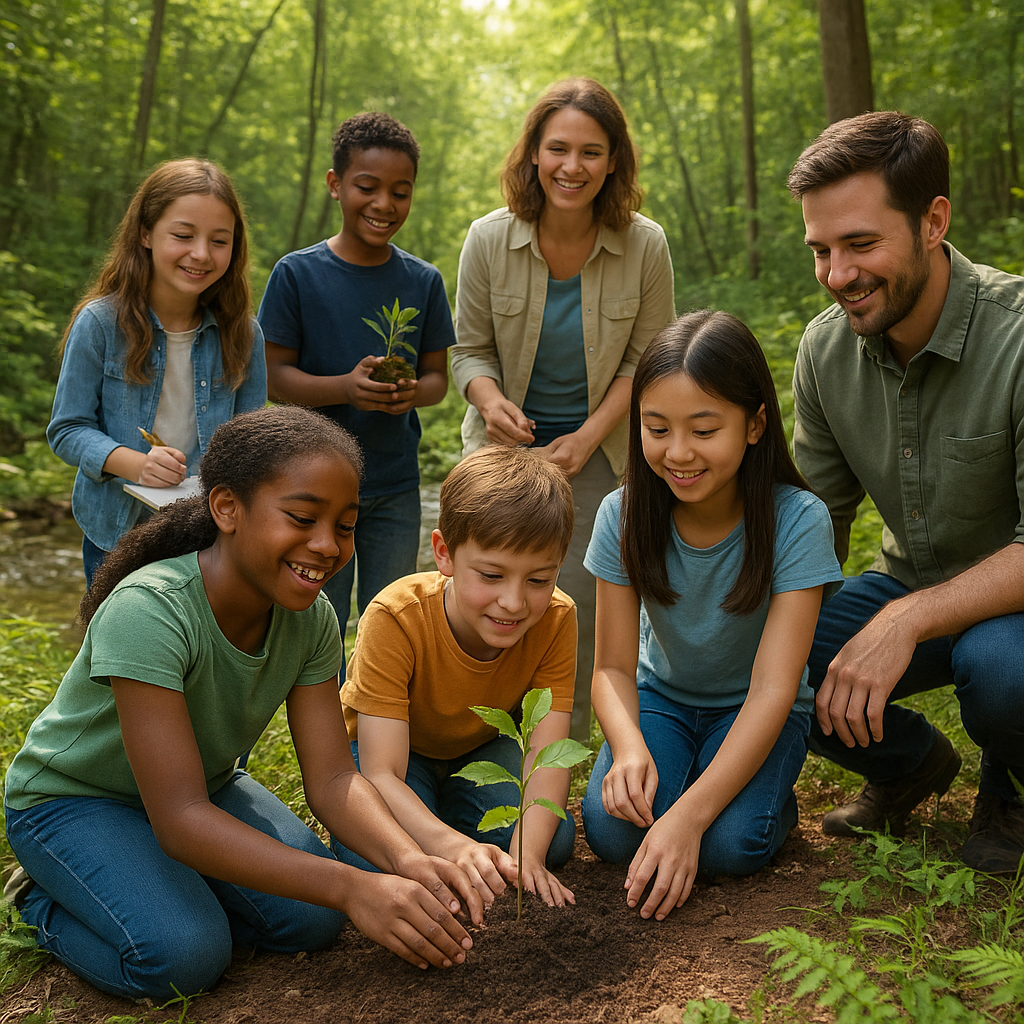
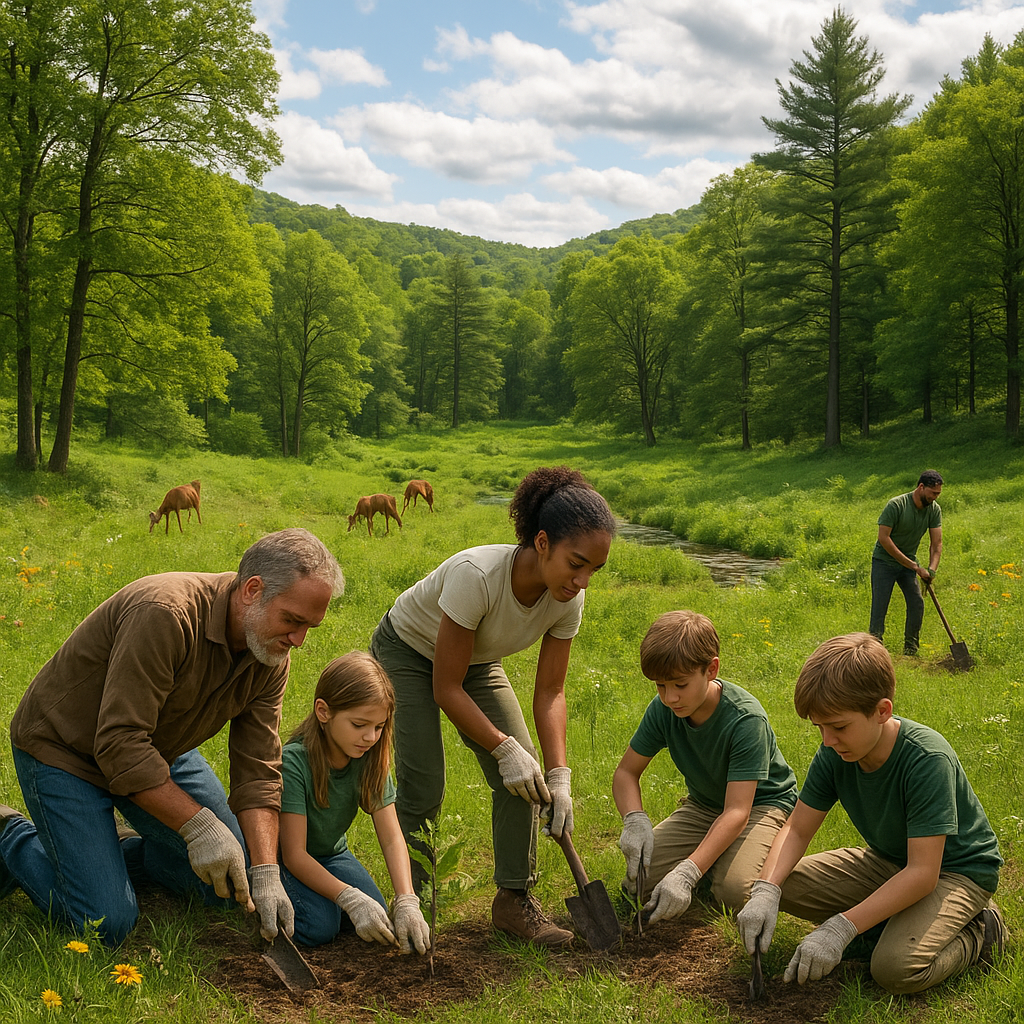
When it comes to protecting our homes and forests from wildfires, one powerful tool often overlooked is choosing the right tree species. Forest fires are a harsh reality, and their impact can be devastating. Over the years, I have learned that selecting fire-resistant trees plays a crucial role in reducing wildfire risk. This article shares practical insights drawn from both experience and research, helping you make informed choices that strengthen your landscape’s resilience against fire.
Why Fire-Resistant Trees Matter More Than Ever
Wildfires are increasing in frequency and intensity, largely driven by changing climate conditions and human activity. Hotter temperatures, prolonged droughts, and unpredictable weather patterns leave forests more vulnerable. In this context, the trees we plant around our homes and communities become part of the frontline defense.
I recall visiting neighborhoods where fire-resistant landscaping made a noticeable difference. These areas with careful tree selection suffered less damage during wildfires. It’s clear that picking the right species is more than just aesthetics — it’s about thoughtful protection and sustainability.
How Trees Influence Fire Behavior
Not all trees burn the same way. Different species offer varied degrees of fire resistance, influenced by factors such as moisture content, resin or oil levels, bark thickness, and leaf structure. Some trees can act as natural firebreaks, slowing down or even stopping fire spread. Others, meanwhile, can fuel the flames inadvertently.
Understanding these characteristics was eye-opening. It reshaped my approach to landscaping and forestry management entirely.
Fire-Resistant Tree Species to Consider
Here are several tree species known for their fire resistance and suitability in various climates. When planting to reduce fire risk, these species offer significant advantages:
- Oaks – Species like the Coast Live Oak and Valley Oak have high moisture content and thick bark, making them very resistant to fire.
- Maples – Known for their dense, moist leaves and branches, maples slow fire progression.
- Aspen – Aspen trees have low flammability and often grow in moist clusters, acting as natural fire barriers.
- Redwoods and Sequoias – Their thick bark and high moisture content provide excellent fire resistance, helping them survive many wildfires.
- Cork Oak – This tree has thick, insulating bark that protects vital tissues from heat.
Trees Best to Avoid Near Homes
On the flip side, some species increase wildfire danger. These include trees with high oil content, flammable resins, or fine, dry leaves. When planting near homes or defensible spaces, I steer clear of:
- Pines such as Monterey or Ponderosa, which have resin-rich needles and bark.
- Eucalyptus trees with oil-laden leaves that ignite easily.
- Fir trees, which produce dense layers of dry needles that burn quickly.
Best Practices When Integrating Fire-Resistant Trees
Selecting the right species is only the beginning. How you plant them matters just as much. Over the years, these practical steps have proven essential to me:
- Create spacing between trees to avoid creating continuous fuel ladders.
- Prune lower branches to prevent fire climbing from ground fuels to the canopy.
- Maintain clear defensible space—remove dead leaves, debris, and dry plants around your home.
- Combine tree planting with other landscaping choices such as fire-resistant shrubs and well-maintained lawns.
These actions work together to build a layered defense that significantly lowers wildfire risk.
The Role of Professional Guidance
When planning your landscape, consulting with forestry experts or local fire prevention agencies can make a big difference. They provide region-specific advice on tree species and management tailored to your area’s fire history, topography, and climate.
It is a step I recommend without hesitation. The right knowledge can save you time, money, and heartache.
Embracing Fire-Resistant Trees for a Safer Future
The challenge of protecting our forests and homes from wildfires needs solutions from everyone. Implementing fire-resistant tree selection is a proactive strategy that anyone can adopt. It transforms the way we live with nature, fostering landscapes that support life and safety simultaneously.
If there is one takeaway from my journey, it is this: choose trees not just for today’s beauty but for tomorrow’s resilience. The small decision to plant fire-resistant species pays dividends in security and peace of mind.
Final Thoughts
Fire-resistant tree species selection is a smart, essential tactic in modern wildfire prevention. They act as natural barriers and fuel reducers, supporting broader efforts including responsible fire management and community preparedness.
Invest in thoughtful tree choices, maintain your landscape carefully, and stay informed about your local fire risks. Together, we can build fire-adapted communities that protect homes, wildlife, and the natural beauty we all cherish.
Protecting our forests is protecting our future. Let fire-resistant tree selection be part of your wildfire defense plan now.