Vertical Reforestation Systems Insights for April
When I first came across the concept of vertical reforestation systems, I was struck by its potential to redefine how we restore green cover, especially in challenging landscapes. Vertical reforestation isn’t just an adaptation of tree planting. It is a game changer—a smart blend of innovation and ecology designed to maximize forest regeneration even where space is limited or conditions are harsh.
Let me share what I have learned about vertical reforestation, and why it holds promise as an effective technique in our ongoing mission to bring back the world’s forests.
Why Vertical Reforestation Systems Matter
Traditional reforestation often requires large tracts of land and favorable conditions. But what happens when land is scarce, degraded, or fragmented? Vertical reforestation systems step in to fill that gap. By utilizing vertical planting spaces, structure-supported growth, and specialized tree species, this method allows us to restore tree cover upwards instead of outwards.
This approach supports ecological benefits on a smaller footprint while improving land-use efficiency. Given the increasing pressure on land from urbanization and agriculture, finding ways to grow more trees vertically is becoming crucial.
Core Concepts of Vertical Reforestation
At its heart, vertical reforestation involves growing trees or shrubs along vertical supports, like trellises, poles, or engineered frameworks. It’s especially beneficial in degraded or steep terrains, urban environments, or areas prone to erosion.
From my observations, it also promotes healthier growth when combined with agroforestry principles—trees provide shade and shelter to understory plants, improving microclimates.
Advantages I Have Seen:
- Maximized Use of Limited Space: Ideal for small or constrained areas.
- Reduced Soil Erosion: Roots stabilize steep slopes effectively.
- Enhanced Access and Maintenance: Easier to care for trees when they are structured vertically.
- Multi-layered Productivity: Suitable for intercropping and supporting biodiversity.
Yet, vertical reforestation is not without challenges. It needs careful planning regarding species selection, support structures, and ongoing management to prevent damage from winds or pests.
Tree Species Selection and Design Considerations
Choosing the right tree species for vertical reforestation is crucial. In my experience, fast-growing, climbing or semi-climbing species with flexible branches work best. Native species are preferred—they thrive better and integrate seamlessly into the local ecosystem.
Designing the physical support system is equally important. Materials need to be sturdy but sustainable, and arranged so trees can grow naturally without undue stress.
Timing also matters. Just like conventional planting, initiating vertical systems before the rainy season boosts success rates significantly.
Integrating Technology with Vertical Reforestation
Modern technology can elevate vertical reforestation efforts. For example, drones can assess structural integrity of planted frameworks and even assist in placing lightweight seeds or nutrients directly onto vertical surfaces.
GIS mapping helps identify ideal locations for vertical planting based on land topography and soil conditions. Moreover, seed coating technologies protect seeds from pests and improve germination success on vertical substrates.
Combining these tools with traditional ecological knowledge makes vertical reforestation both innovative and grounded in proven practices.
The Role of Communities and Indigenous Practices
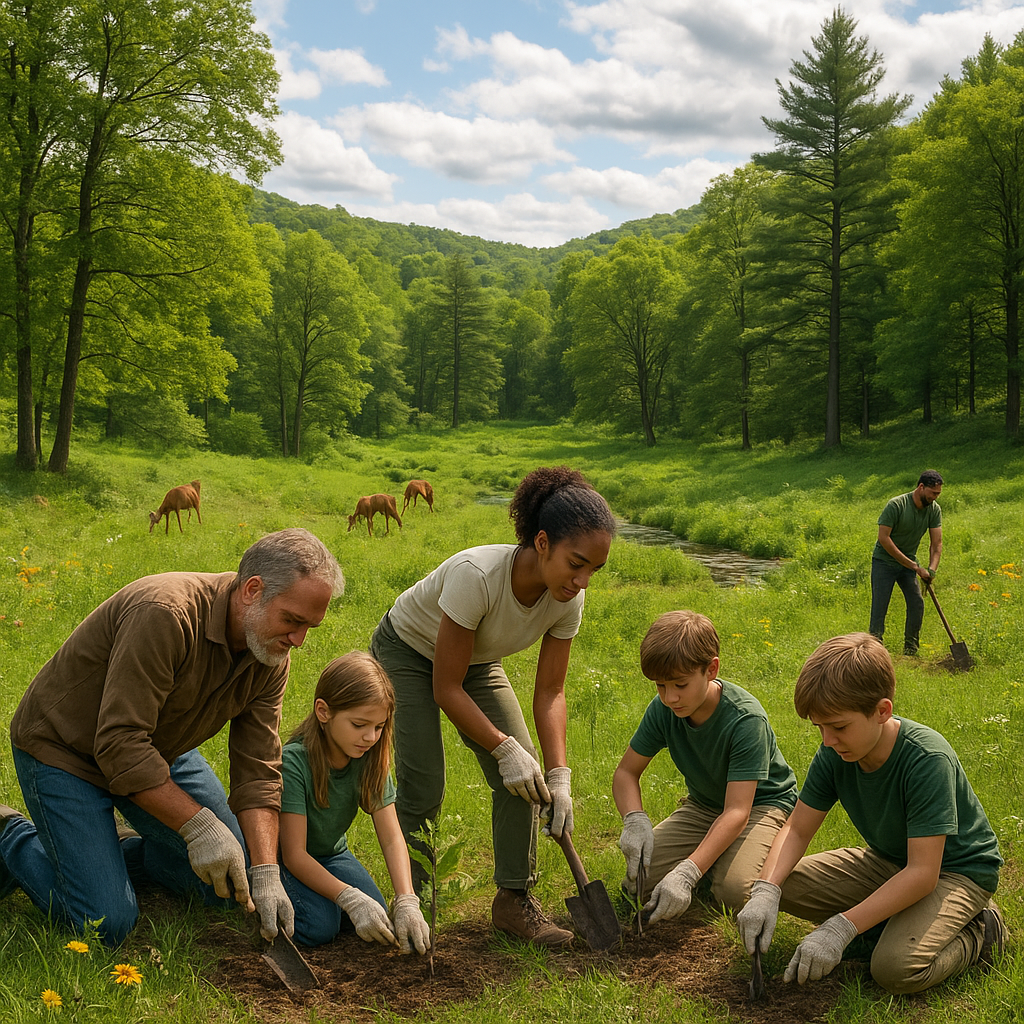
One of the most rewarding aspects I have found is working alongside local communities and learning from indigenous land stewards. Their understanding of native tree species and sustainable management enriches vertical reforestation projects.
Community involvement ensures commitment long after initial planting. It fosters stewardship, turning vertical forest structures into vibrant spaces of biodiversity and resource resilience.
Final Thoughts on Vertical Reforestation
Vertical reforestation systems open up new frontiers for forest restoration. They challenge conventional norms about how and where trees can grow. This technique is not meant to replace traditional reforestation but to complement it—especially where land is limited or conditions demand creative solutions.
Every vertical tree is a contribution to healing degraded ecosystems and combating climate change. Watching these systems thrive over time reinforces my belief that blending innovation with nature’s principles is key.
Ready to explore vertical reforestation yourself? Whether you manage urban land, degraded slopes, or simply want to pioneer new restoration methods, vertical systems offer exciting possibilities. The future of reforestation may very well be vertical—and green beyond imagination. Let us plant upward and grow with the times.