Seedling Care In Winter Insights for April
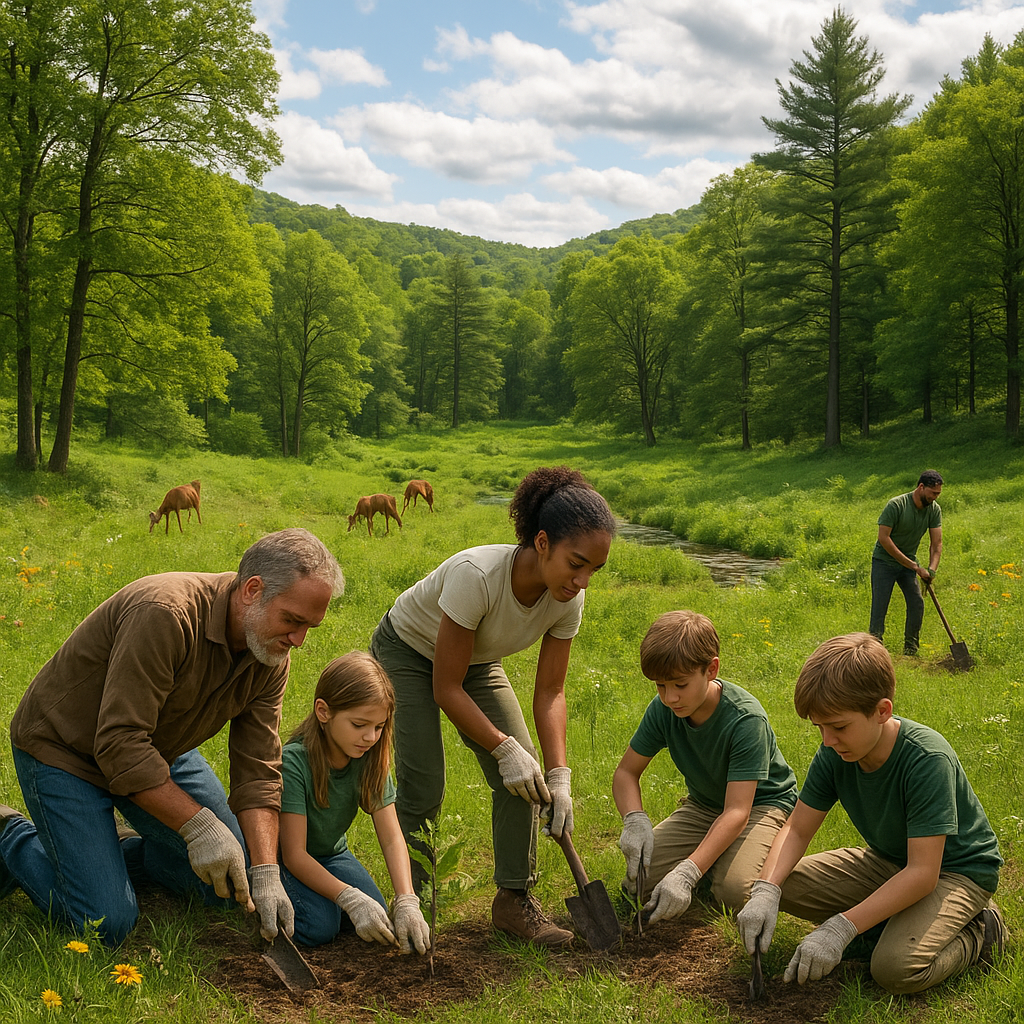
Caring for seedlings through the winter months is one of those challenges every gardener and reforester faces. It’s not just about keeping young trees alive. It’s about nurturing potential, protecting fragile life, and setting the stage for a thriving forest come spring and beyond. After years spent working with reforestation projects and home gardens, I want to share some insights on how to care for seedlings during winter, especially as we approach April, the cusp of seasonal transition.
Why Seedling Care in Winter Is Crucial
Winter is a tough season for seedlings. The cold, frost, fluctuating moisture levels, and shorter daylight hours create a perfect storm of stress. If seedlings don’t survive this period, all the effort put into planting and early growth goes to waste. It’s an often overlooked part of the reforestation or gardening journey, but one that can make or break success.
The goal isn’t just survival— it’s about preparing seedlings to burst into healthy growth as soon as warmth returns. Proper care during winter means setting up your plants for strong roots, resilience to pests, and adaptability to their environment.
Essential Winter Seedling Care Tips for April
1. Temperature Management
Sustaining ideal temperatures is key. While April signals the approach of spring, nights can still be cold and frost may linger.
- Use mulch or straw around the base of seedlings to insulate roots from freezing.
- If possible, move potted seedlings to sheltered spots such as greenhouses, cold frames, or sunny windows.
- For vulnerable species, consider frost cloths or plant covers during particularly cold nights.
I recall a reforestation site in northern climates where simple straw mulching increased seedling survival by over 30 percent during cold snaps. Small steps can have a big impact.
2. Moisture Control
Winter watering often gets overlooked, but seedlings still need moisture without drowning.
- Check soil moisture regularly since dry winter winds can desiccate young roots.
- Water only when the soil feels dry to the touch. Avoid overwatering that causes root rot.
- Use well-draining soil to prevent waterlogging, which damages roots in cold weather.
When managing seedlings on a recent project, I found that scheduling watering only every two weeks in winter balanced hydration without fungus risks.
3. Protecting Seedlings from Harsh Elements
Young plants often suffer from wind burn, frost damage, and animal nibbling.
- Use windbreaks such as fencing, netting, or natural barriers to reduce exposure.
- Inspect seedlings frequently for signs of freeze damage like blackened leaf tips or wilting.
- Apply organic repellents or physical guards to protect against rodents and deer.
Once, I saw a community project lose dozens of seedlings to frost crack simply because they skipped applying protective wraps. Prevention is always better than cure.
4. Nutrient Supply During Dormancy
Most seedlings enter a dormant phase in winter, but they still need some nutrition to maintain health.
- Use slow-release organic fertilizers carefully to avoid forcing early growth.
- Avoid heavy fertilization that can stress seedlings by stimulating shoots when roots remain cold.
- Focus on soil health: organic matter helps retain moisture and provides steady nutrients.
On a personal garden plot, I spread compost in late fall. This helped seedlings withstand winter stress and helped with springtime vigor.
5. Planning for April Transitions
As the days lengthen in April, seedlings prepare to break dormancy.
- Gradually reduce protection as temperatures rise to harden plants to outdoor conditions.
- Increase watering frequency in response to warming soil and increased growth.
- Start thinning out crowded seedlings to reduce competition and diseases.
In my urban rooftop garden, I use this time to prune and remove weak seedlings, giving the strongest a better chance to flourish.
The Bigger Picture: Winter Care Supports Long-Term Success
Winter may seem like a dormant pause, but for seedlings, it is a critical waiting game. Careful attention during this time translates into thriving trees that rebuild forests, enhance biodiversity, and combat climate change.
I have learned from mistakes and successes alike that overlooking winter seedling care leads to setbacks that are hard to reverse. Whether you are nurturing trees in large-scale reforestation or growing a few seedlings at home, embrace this season with intentional care.
Final Thoughts: Nurture Today, Grow Tomorrow
If you are committed to seeing your seedlings through harsh winters, you are investing in hope and resilience. The advice shared here draws on hands-on experience and countless hours watching nature’s cycles.
Remember: every seedling is a story of potential. With the right winter care, these young plants become part of something much bigger — a greener, healthier planet.
Ready to nurture your seedlings through this winter and into a vibrant spring? Start with these steps and watch your tiny trees grow stronger day by day.
Thank you for joining me on this journey of winter seedling care. Share your experiences and tips to help grow our community of growers dedicated to healing the Earth one seedling at a time.