Neighbor-To-Neighbor Planting Insights for November
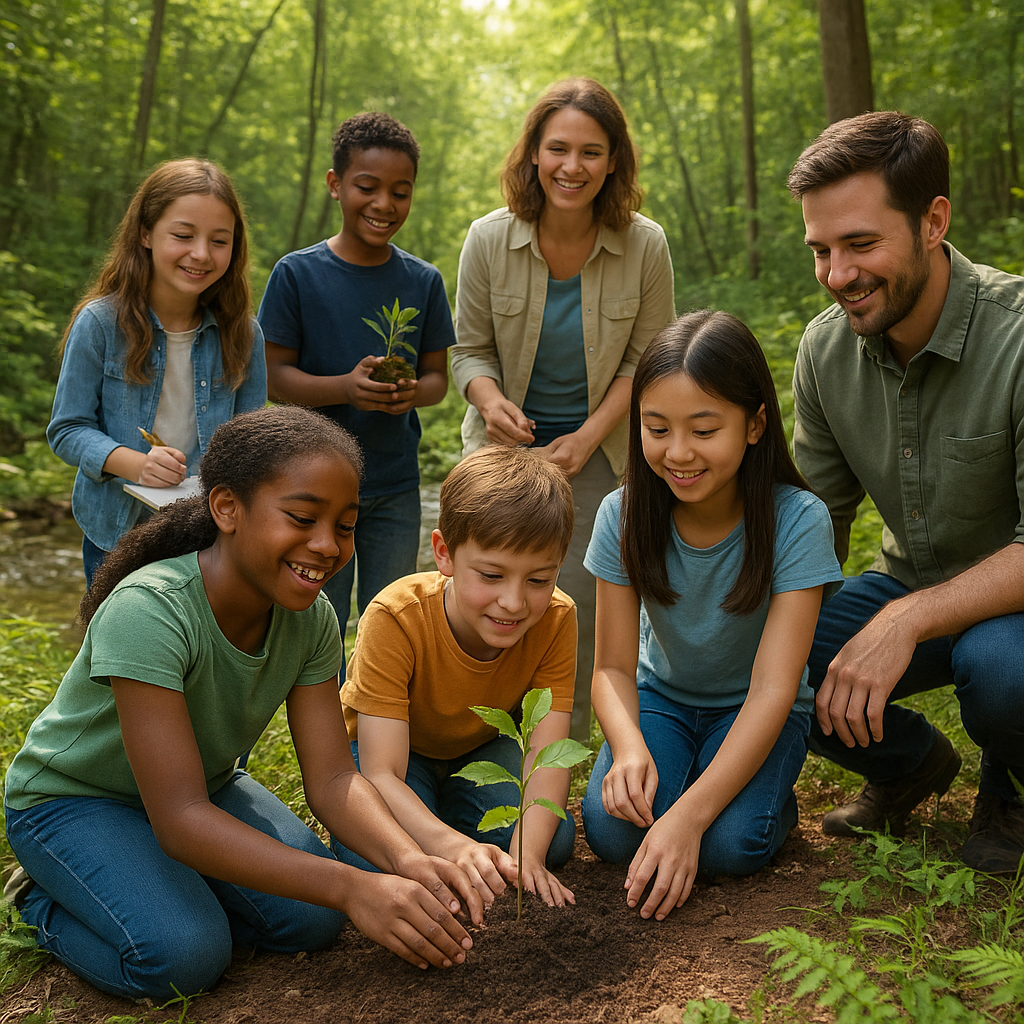
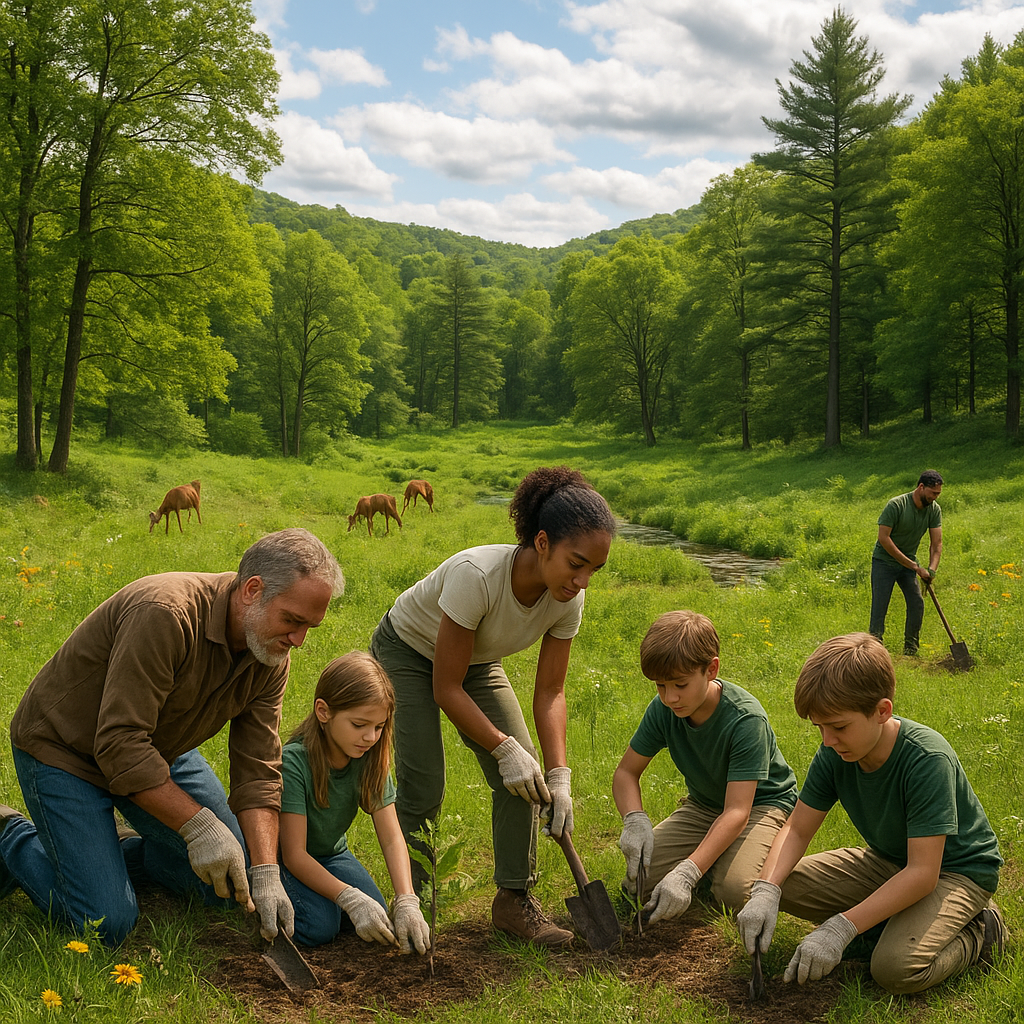
Engaging neighbors in planting projects has become one of the most rewarding experiences in my community work. When neighbors come together to plant flowers, vegetables, or trees, something special happens. It is more than just turning soil or nurturing plants. It builds connections, strengthens bonds, and turns neighborhoods into vibrant, thriving spaces. I want to share what I have learned about neighbor-to-neighbor planting, the challenges encountered, and practical tips that can help any community grow greener and closer.
Why Neighbor-to-Neighbor Planting Matters
It is simple yet powerful—neighborhoods flourish when residents take part in common projects. Planting together brings people out of their homes and into shared spaces. It sparks conversations between strangers and helps neighbors learn from each other. I have seen firsthand how these small green efforts lead to a stronger sense of pride and ownership.
Take November for example. It is a transition month, signaling the need to prepare gardens for the colder months or plant hardy varieties that thrive in fall. When neighbors join hands to plant cover crops or winter vegetables, they are not just tending plants; they are nurturing the roots of community spirit.
In one neighborhood where I helped organize a planting day, initial interest was low. But as neighbors saw simple projects grow into colorful flowerbeds and fruitful garden boxes, excitement and participation surged. That shared achievement became a source of joy and motivation for future activities.
Education as the Seed for Success
Planting is an act, but education waters that act to bloom into meaningful outcomes. Many people want to garden but feel unsure where to start, especially when it comes to selecting plants suitable for the season or climate. Offering clear, hands-on learning experiences can make all the difference.
In November, programs that teach sustainable planting practices, soil care, or composting have long-lasting effects. For instance, during a recent workshop on planting winter vegetables, participants left equipped not only with seedlings but also knowledge about soil preparation and companion planting benefits. This kind of education transforms hesitant beginners into confident gardeners invested in community well-being.
Overcoming Challenges on Planting Days
Community projects do not come without obstacles. One major hurdle I often face is building trust, especially in neighborhoods where residents may feel overlooked or disconnected. Rushing in with big plans or jargon-filled talks rarely helps. Instead, showing up regularly, listening more than speaking, and adapting plans to local needs makes all the difference.
Another challenge is combating skepticism or lack of motivation, particularly when weather turns cold and planting seems less urgent. Sharing relatable stories from neighbors who have seen positive results helps spark enthusiasm. Celebrating every success, no matter how small, feeds momentum.
Practical Tips to Grow Your Neighbor-to-Neighbor Planting Efforts
If you want to start or improve planting initiatives in your community, here are some down-to-earth strategies I find effective:
1. Meet Neighbors in Their Spaces
Find out where community members naturally gather. Markets, local events, or community centers are great places to strike up conversations about planting ideas.
2. Speak Plainly and Enlist Local Wisdom
Avoid technical terms that can confuse or alienate. Use clear language and respect cultural planting traditions or preferences. Partner with local gardeners or trusted community members to build credibility and reach.
3. Encourage Two-Way Dialogue
Planting is a learning experience for everyone involved. Invite questions, feedback, and ideas. This openness builds ownership and trust.
4. Organize Hands-On, Inclusive Workshops
People learn best by doing. Organize planting days with activities that let participants get their hands dirty while learning practical skills.
5. Celebrate Every Green Victory
Recognize when gardens bloom, harvests happen, or neighbors come together. Public celebrations strengthen community spirit and inspire continued involvement.
6. Stay Patient and Keep Showing Up
Gardening communities grow over time, just like plants. Consistency and patience pay off. Keep nurturing relationships and planting projects regardless of early setbacks.
Looking Forward: Growing Stronger Together
Technology and social media offer wonderful tools to coordinate, educate, and inspire neighbors about planting projects. Virtual plant swaps, guided online workshops, or neighborhood gardening groups on social platforms can enhance local efforts.
Still, the heart of neighbor-to-neighbor planting remains human connection—sharing stories, laughter, and hard work side by side. As we plant now for the future, every seed is a hope for greener, healthier, and more connected communities.
In closing, neighbor-to-neighbor planting is more than a beautification effort. It is the groundwork for building lasting relationships and empowered communities. I encourage you to reach out, listen, plant, and grow together this November. The transformation starts with you and your neighbors—one seed, one conversation, one garden at a time.