Neighbor-To-Neighbor Planting Insights for June
When I first got involved in neighbor-to-neighbor planting, I quickly realized it is much more than just an activity in the community. It is a powerful way to bring people together and strengthen neighborhoods. Over time, I have seen how this simple act can grow far beyond gardens and flowerbeds—it cultivates trust, education, and real community spirit.
What Neighbor-To-Neighbor Planting Means
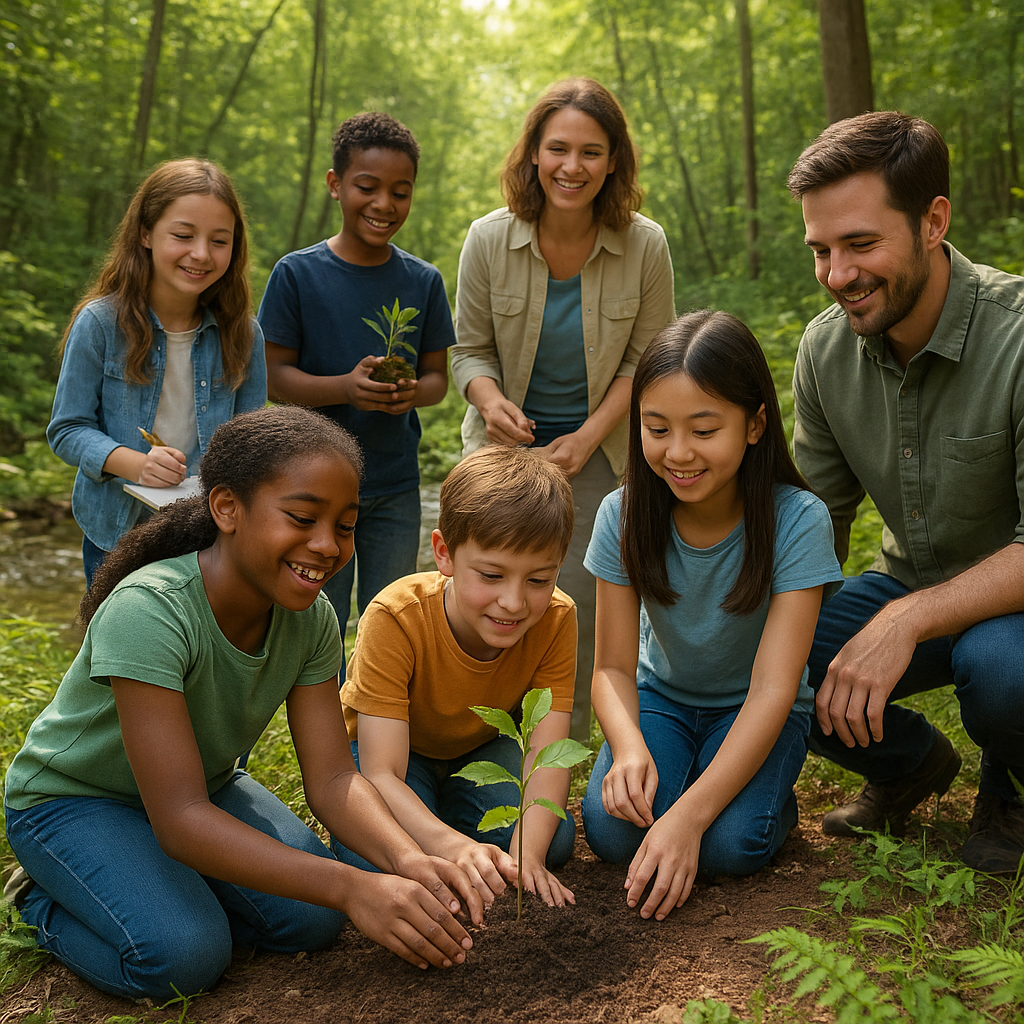
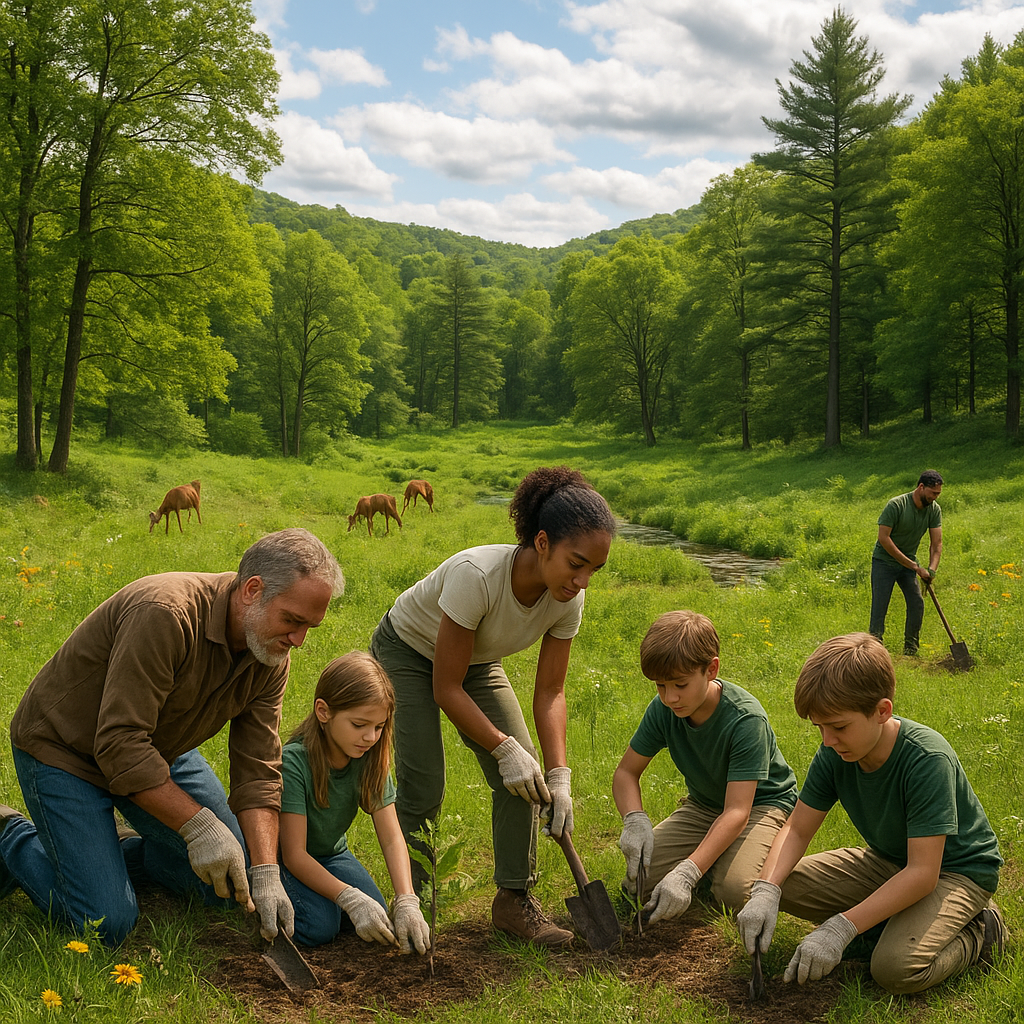
At its heart, neighbor-to-neighbor planting is about neighbors working side by side to beautify and improve their surroundings. It is a hands-on approach that builds relationships and encourages shared responsibility. Planting together often opens doors to honest conversations, making community issues easier to tackle collectively. Education naturally becomes part of this process—sharing tips, tricks, and knowledge about gardening and local ecology.
From my experience, this shared learning not only teaches skills but connects people in meaningful ways.
Why Neighbor-To-Neighbor Planting Is Important
Let me explain why I believe planting with neighbors matters so much, especially in June when growing conditions peak:
Creates Ownership and Pride
When you help plant a garden or nurture a green space, you feel a special connection to it. Neighbors are more likely to care for what they have helped create. I have noticed how the energy around a shared garden inspires responsibility. People are invested and protective, turning spaces into welcoming parts of the neighborhood.
Builds Trust and Community Bonds
Trust is not built through formal meetings or paperwork but through small, real actions. Working side by side with neighbors in the dirt builds a kind of trust that lasts. For example, I saw neighbors from very different backgrounds come together planting native flowers. The shared goal, the simple act, broke down walls in a way words sometimes cannot.
Empowers Through Education
Planting together becomes an educational moment. When neighbors learn about soil health, water conservation, or seasonal plants, they gain tools to keep gardens thriving. This knowledge sharing empowers individuals. It’s particularly rewarding to see those new to gardening become confident and ready to contribute their own ideas.
How to Make Neighbor-To-Neighbor Planting Effective
The good news is neighbor-to-neighbor planting can take many forms, but here are some tips based on what worked well for me:
Understand Your Community
Start by really getting to know your neighbors. What kind of spaces are available? What do people want to see grow? What challenges might there be such as soil quality or water access? This early understanding shapes a plan everyone feels good about.
Build Genuine Connections
Invite neighbors over for informal gatherings before planting. Share stories and listen actively. When people feel heard and appreciated, they’re more likely to get involved and stick around.
Cater to Different Needs
Not everyone has the same gardening knowledge or abilities. Design your planting projects to be inclusive—offer simple tasks for beginners and more involved work for experienced gardeners. Consider accessibility as well so everyone can participate.
Use Various Ways to Communicate
While face-to-face is best, especially in planting projects, supplements help. I found that flyers, simple how-to guides, and community bulletin boards reinforce enthusiasm and keep everyone informed.
Keep the Feedback Loop Open
Planting is a continuous project. Set up easy ways for neighbors to share ideas, ask questions, and offer feedback. This keeps the momentum going and helps adapt to any problems.
Challenges and How to Overcome Them
No neighborhood planting effort is without bumps:
-
Initial hesitation: Sometimes people are unsure about joining in. To ease this, start small and celebrate every success, no matter how minor.
-
Diverse opinions: Not everyone will agree. Honest conversations and transparency about decisions go a long way.
-
Resource limits: Time and supplies are often tight. Partnering with local stores or gardening clubs can provide support.
-
Language or cultural differences: Invite community members to lead and translate if needed. This makes inclusion real.
My Takeaway
Neighbor-to-neighbor planting is more than digging in the soil. It is about cultivating relationships and knowledge that power vibrant communities. It teaches us that together we can transform spaces and lives. The best part is that every plant, every moment in the dirt, is an opportunity to strengthen a sense of belonging and pride.
If you are thinking about starting or growing a planting project this June, I urge you to reach out to your neighbors. Invite them in. Share what you know and learn from them. The roots of a strong community can start with something as simple as a shared garden.
Final Thoughts and Call to Action
To anyone reading this and wondering where to begin: just start where you are. Host a planting day, share seeds, ask questions, and listen. Use June’s long days and warm temperatures as your invitation. You will find not only gardens grow but friendships flourish too.
Together, neighbor to neighbor, we can bring vibrant green spaces and stronger connections to every block and street.
Did this resonate with you? I would love to hear your neighbor-to-neighbor planting stories or questions below. Let us grow together in more ways than one this season.