Municipal Tree-Planting Incentives Insights for April
When I think about environmental conservation, one thing stands out clearly—passion alone won’t drive change. Real progress depends on smart, effective funding policies that support projects on the ground. This is especially true for municipal tree-planting incentives, a powerful yet often overlooked tool to renew urban landscapes and combat climate challenges.
Why Municipal Tree-Planting Incentives Matter
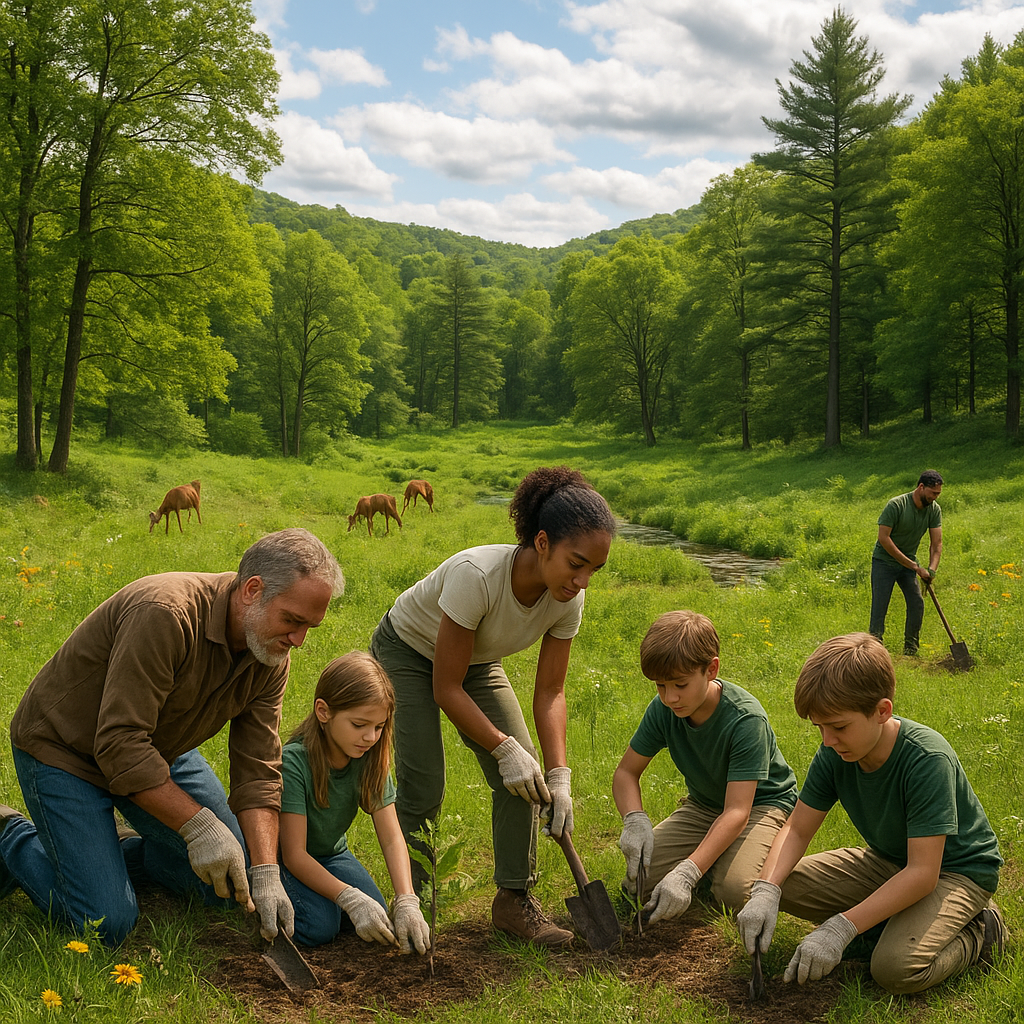
Cities are on the frontlines of climate action. Trees in urban areas do more than beautify streets—they cool neighborhoods, improve air quality, and support local wildlife. But planting trees is just the beginning. Without well-designed incentives backed by solid policies, many municipal programs struggle to gain traction or sustain momentum.
Incentives create the motivation and means for city officials, property owners, and community groups to participate actively. They align environmental goals with economic benefits, making green initiatives easier to adopt and maintain.
What Makes Policy-Driven Tree-Planting Incentives Effective
Good policies lay the groundwork for reliable funding and guide where incentives go. Here’s what I’ve noticed about successful municipal tree-planting programs:
- Transparent allocation of resources ensures funds actually reach planting and maintenance efforts.
- Multi-year funding plans provide stability beyond short-term projects.
- Community involvement ensures local needs and expertise shape incentive programs.
- Partnerships across sectors bring together governments, businesses, and nonprofits for bigger impact.
- Data-driven priority setting targets neighborhoods that benefit the most from tree canopy expansion.
Policies that tick these boxes turn tree-planting from isolated acts into a coordinated movement that revitalizes urban ecosystems.
Diverse Funding Sources for Municipal Tree-Planting
Municipalities tap into various funding streams to back planting incentives. Understanding these sources can help stakeholders better lobby for and design effective programs.
Government Budgets and Grants
Local governments often allocate specific funds for green infrastructure, including trees. Sometimes, these come through dedicated environmental budgets or competitive grants, which require clear criteria and measurable outcomes to secure.
State and Federal Support
Beyond local budgets, higher levels of government provide grants or technical assistance. Programs like the Urban and Community Forestry Program in the U.S. support tree planting with matched funding and policy guidance.
Private Sector Partnerships
Business involvement is rising. Companies contribute through corporate responsibility efforts or by investing in green bonds that fund urban tree projects. Policies offering tax benefits for these investments can be a game changer.
Philanthropic Foundations and NGOs
These groups offer flexible funding, often stepping in to support pilot projects or community outreach that pave the way for expanded municipal programs.
Overcoming Funding Challenges with Strategic Policy
Even with diverse funding sources, urban tree planting faces hurdles:
- Short grant cycles disrupt continuity.
- Insufficient funds limit scale and outreach.
- Limited inclusion of marginalized communities in program design.
Municipal policies can address these by:
- Instituting long-term funding commitments that provide consistency.
- Creating innovative financing tools, like payments for ecosystem services that reward stakeholders for maintaining tree health.
- Embedding equity clauses that ensure all neighborhoods have access to incentives and tree canopy benefits.
In my experience, policies built with these elements succeed in turning green initiatives into enduring urban transformations.
Inspiring Municipal Tree-Planting Models
Some programs stand out as examples worth emulating:
-
New York City’s MillionTreesNYC launched a massive tree-planting campaign using public-private funding and community partnerships. It combined clear policy commitments with dedicated resources to achieve large-scale results.
-
Melbourne’s Urban Forest Fund uses strategic investments, backed by council policies, to enhance city canopy cover while ensuring social equity and ecological resilience.
These models prove policy-driven funding unlocks city-wide environmental benefits.
How You Can Help Drive Municipal Tree-Planting Incentives
It’s easy to feel removed from policy discussions, but every one of us has a role:
- Support local green groups working to advance tree-planting policies.
- Vote for leaders committed to sustainable urban forestry programs.
- Advocate for transparent, inclusive funding processes in your community.
- Share stories and data showing how trees improve health and quality of life.
These actions feed momentum into policy circles and help secure funding where it matters most.
The Path Forward: Building Stronger Urban Forests Together
We cannot afford half-measures when it comes to urban tree planting. Fragmented efforts will only deepen environmental and social divides. Instead, integrated, well-funded policies must guide every step. When municipalities craft incentive programs anchored in transparency, equity, and long-term investment, they build urban forests that thrive for generations.
Final Thoughts
Municipal tree-planting incentives might not grab headlines, but they are critical to creating healthier, more resilient cities. The real power lies in the policies that fund and sustain these efforts. Without them, the vision of greener urban spaces remains out of reach.
I invite everyone reading to see the big picture: smart policy and stable funding are the roots that let our cities grow greener and stronger. Let’s invest in these foundations today for a future that all can breathe easier in.