Native Grassland Revival Insights for April
When I first learned about restoring native grasslands, I felt both excitement and uncertainty. The task seemed enormous at first. How can one person help when so many grasslands have disappeared or been damaged over the years? The truth is, native grassland revival is not just about large projects handled by experts. It’s about understanding the delicate balance within these ecosystems and making meaningful contributions, no matter how small.
What Exactly Is Native Grassland Revival
Native grassland revival means bringing back original grassland habitats to health and vibrancy. It involves repairing damage caused by development, agriculture, invasive plants, or changing climate conditions. I think of a grassland as a complex network where each blade of grass, each insect, each bird species plays a role. When one part weakens or breaks down, the whole ecosystem suffers. Revival seeks to fix those breaks so the grassland can thrive again.
Why Reviving Native Grasslands Matters More Than Ever
Grasslands once covered vast areas, supporting amazing biodiversity and important natural processes. Today, they face significant threats. Every time grassland is converted or degraded, species lose habitat, and the ecosystem services we rely on—such as carbon storage, soil stabilization, and pollination—are disrupted. My understanding grew quickly when I realized how interconnected everything is. Protecting a patch of grassland means protecting the insects, birds, mammals, and humans that depend on it.
My First Step Into Grassland Restoration
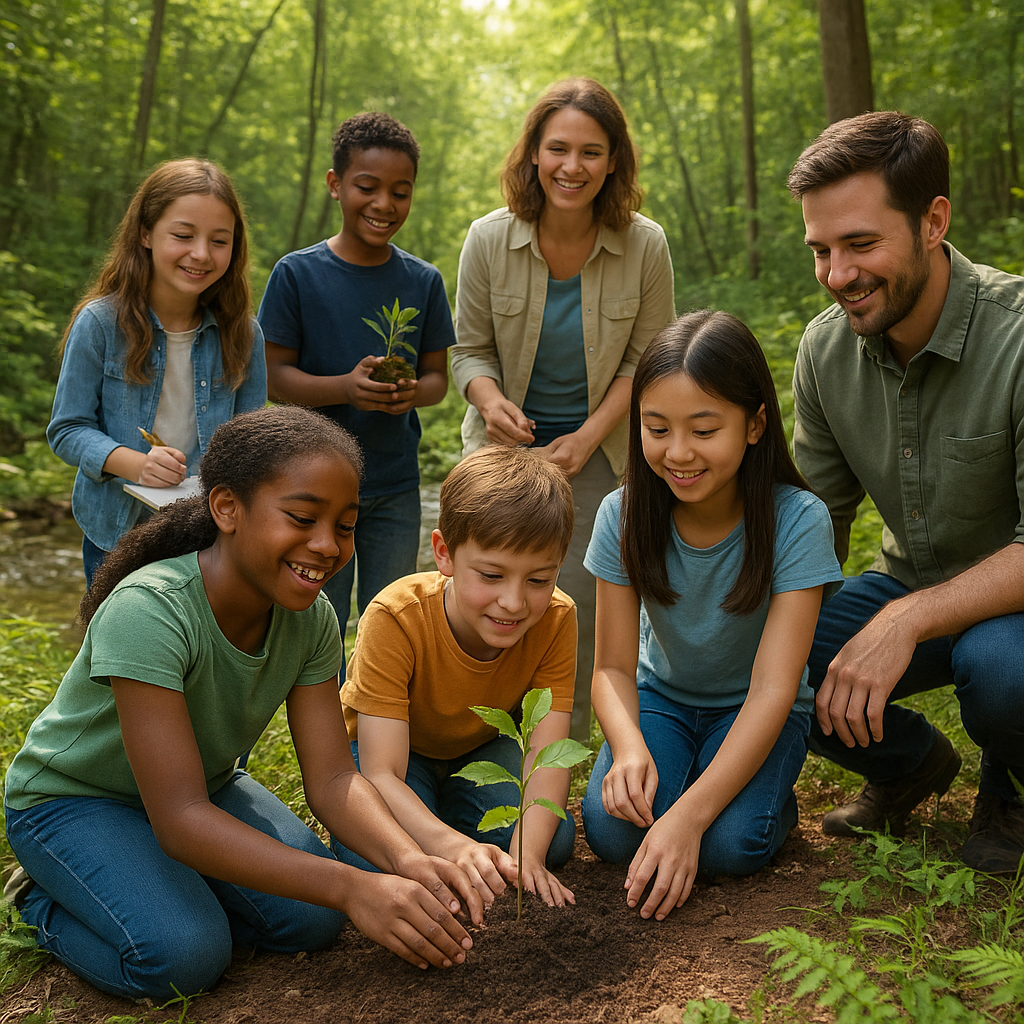
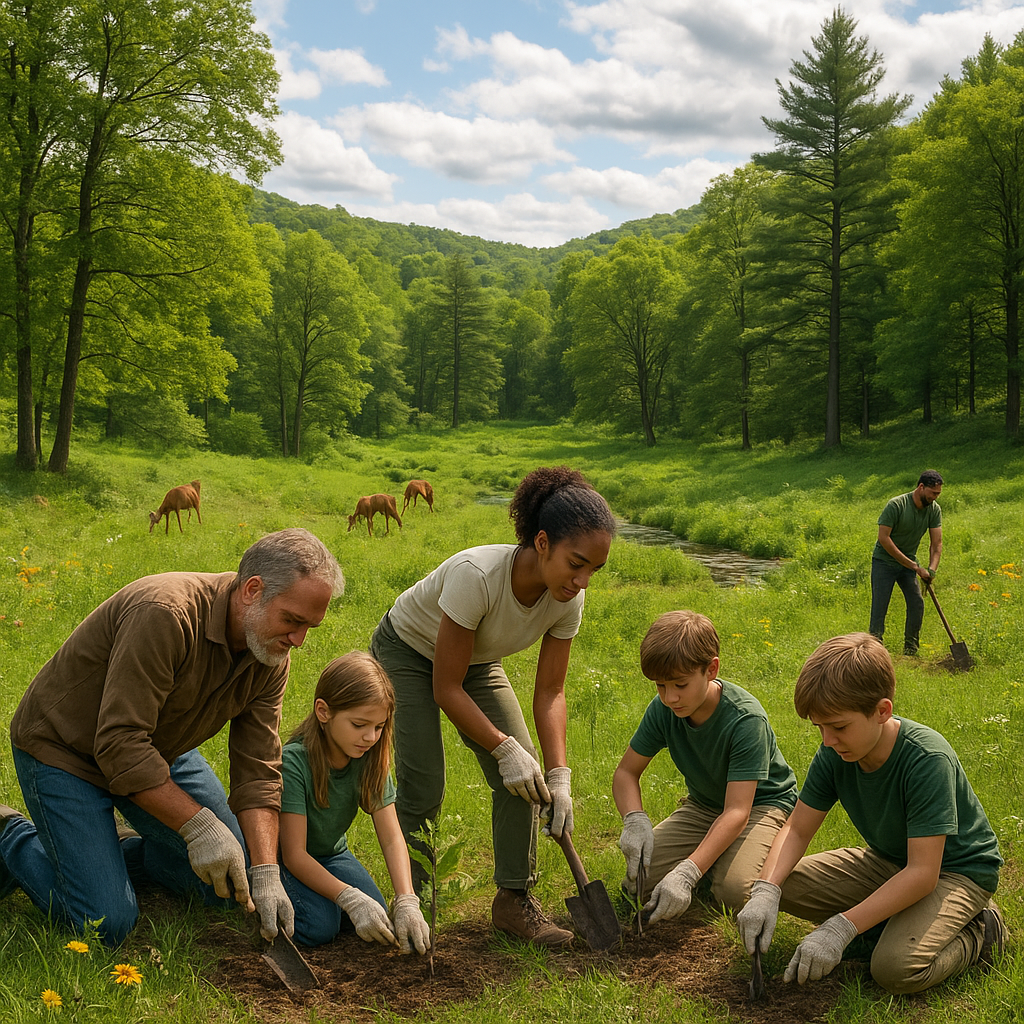
One local project profoundly shaped my perspective. The site had been overrun by invasive plants and suffered soil erosion after years of neglect. It looked like a shadow of what it once was. The team and I started by removing aggressive invasive species like smooth brome grass, which crowded out native plants. Then, we planted native grasses and wildflowers, carefully chosen for their role in the local ecosystem. Watching the landscape change over weeks gave me genuine hope. Grassland birds began arriving. Pollinators came back. It was a clear sign that revival works.
The Science Behind Reviving Grasslands
Grassland restoration isn’t luck or guesswork. It depends heavily on science. Getting to know soil types, native plant species, grazing patterns, and fire ecology is essential. For example, many native grasses and flowers rely on periodic fires to clear old growth and promote diversity. Without fire or its ecological substitute, invasive species take over. Water availability and soil nutrition also shape which plants thrive. These details matter immensely when planning restoration.
A challenge I faced was how to balance natural processes with human use. Nearby communities might depend on grazing or recreation in these spaces. The most effective restoration respects both nature’s needs and people’s livelihoods.
Techniques That Boost Native Grassland Revival
Throughout my projects, certain tools and approaches stood out as critical:
- Removing invasive plants by hand, mowing, or controlled burns
- Planting diverse mixtures of native grasses and wildflowers to restore habitat complexity
- Using controlled burns or mowing regimes to mimic natural disturbance cycles
- Implementing erosion control measures, such as planting cover crops or building small terraces
- Creating wildlife corridors that connect fragmented grassland patches to support animal movement and genetic diversity
Patience is crucial. Grassland revival often takes years to show full results, but persistence pays off.
Difficulties and Lessons Learned
Native grassland revival comes with its share of hurdles. Weather delays planting or seed growth. Invasive species return if monitoring lapses. Climate changes can alter the timing and intensity of seasonal rains or fires. Sometimes human activities interfere despite best intentions.
One big lesson I learned is to expect the unexpected. Restoration is not a quick fix. It demands ongoing attention, flexibility, and community engagement. Supporting education and transparent communication helps align restoration goals with the needs of local people.
Why I Keep Returning to Grassland Restoration
Despite the difficulties, the emotional reward of seeing grasslands come back to life is unmatched. The first time I heard the calls of native sparrows nesting in a restored area or saw a butterfly sipping nectar on wildflowers, I felt deeply connected to the environment. Restoration is healing for both landscape and spirit.
How You Can Help Restore Native Grasslands Today
If native grassland revival interests you, here are ways to get involved:
- Explore local conservation groups focusing on grassland habitats
- Learn about native plant species and local ecosystem dynamics
- Volunteer for planting days, invasive species removals, or habitat monitoring
- Raise awareness about the importance of grasslands in your community
- Adopt sustainable practices in your everyday life to reduce pressure on these habitats
Every effort counts. Even small, ongoing steps collectively make a big impact.
Final Thoughts on Native Grassland Revival
Reviving native grasslands has taught me patience, respect, and the power of community. While it is impossible to reverse all damage immediately, every stride toward restoration matters. This work combines science, love for nature, and collaboration. Most importantly, it reconnects us with the wild landscapes that sustain life on Earth.
So whatever role you take—planting seeds, pulling weeds, or educating others—know that you are part of a vital movement. A movement that brings hope and renewal to an ecosystem that once thrived and can thrive again. Native grassland revival not only conserves biodiversity but also nurtures a deeper bond with the natural world. And that makes all the difference.