Wetland Edge Restoration Insights for April
When I first encountered the phrase wetland edge restoration, my mind pictured a simple project—maybe planting a few shrubs along a pond or tidying up some mudflats. But it turned out to be so much more than that. Restoring wetland edges is a powerful way to heal ecosystems far beyond what meets the eye. The transition zones between water and land, known as edges or ecotones, hold unique importance. They are hotspots for biodiversity, water filtration, and habitat connectivity.
Over time, I have come to appreciate these wetland margins as lifelines. Edges connect aquatic and terrestrial worlds, offering shelter, food, and breeding grounds to countless species. They act as natural buffers against floods and help control pollution. Because of their critical role, restoring these edges is essential for overall ecosystem health.
Understanding Wetland Edge Restoration
Wetland edge restoration means repairing the boundary where wetlands meet dry land. This area is often damaged by human activities like agriculture, urban development, or drainage systems. When edges degrade, native plants disappear, invasive species take over, and vital services like erosion control and wildlife habitat are lost.
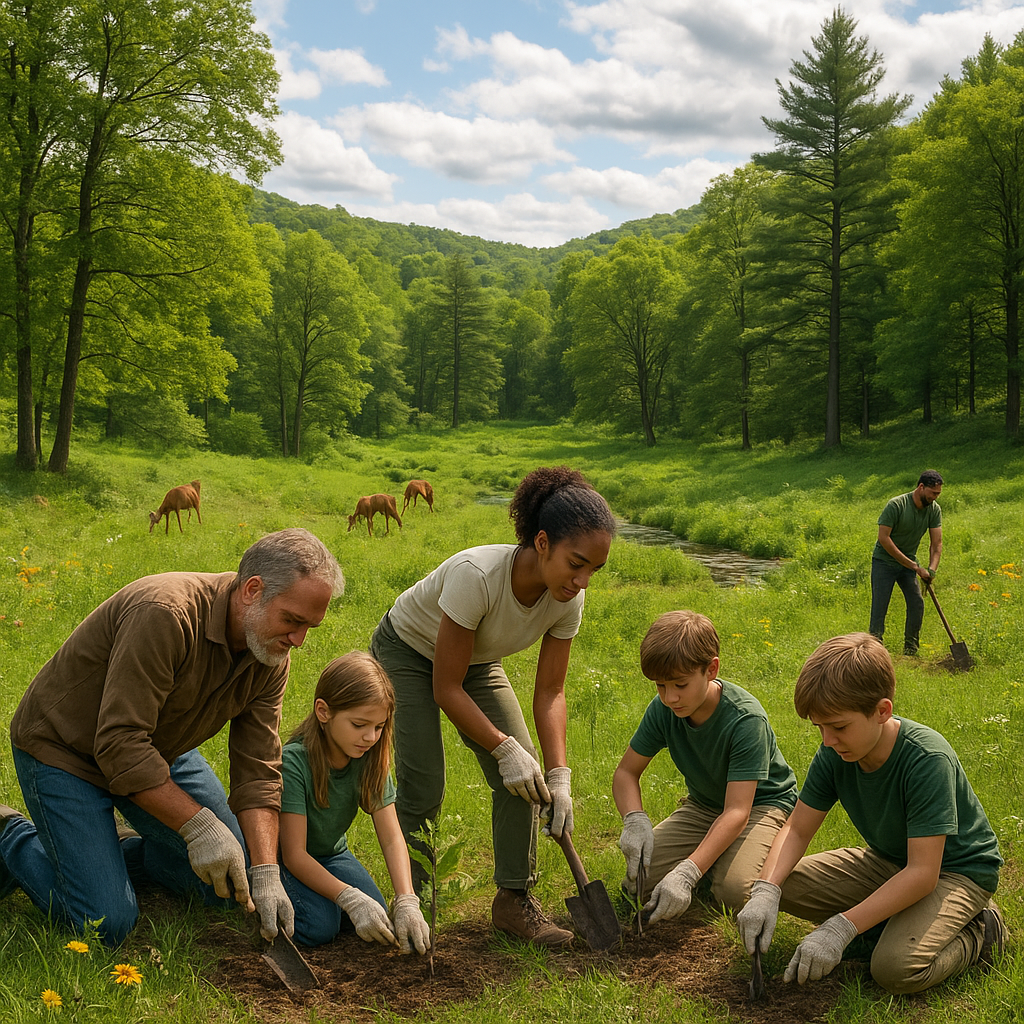
The goal of edge restoration is to bring back natural plant communities, improve soil and water conditions, and reestablish habitat connectivity. Strategies typically include planting native grasses, shrubs, and trees that thrive along wetland margins, removing invasive species that choke out natives, and sometimes reshaping land or adjusting water flow to support healthy wetland function.
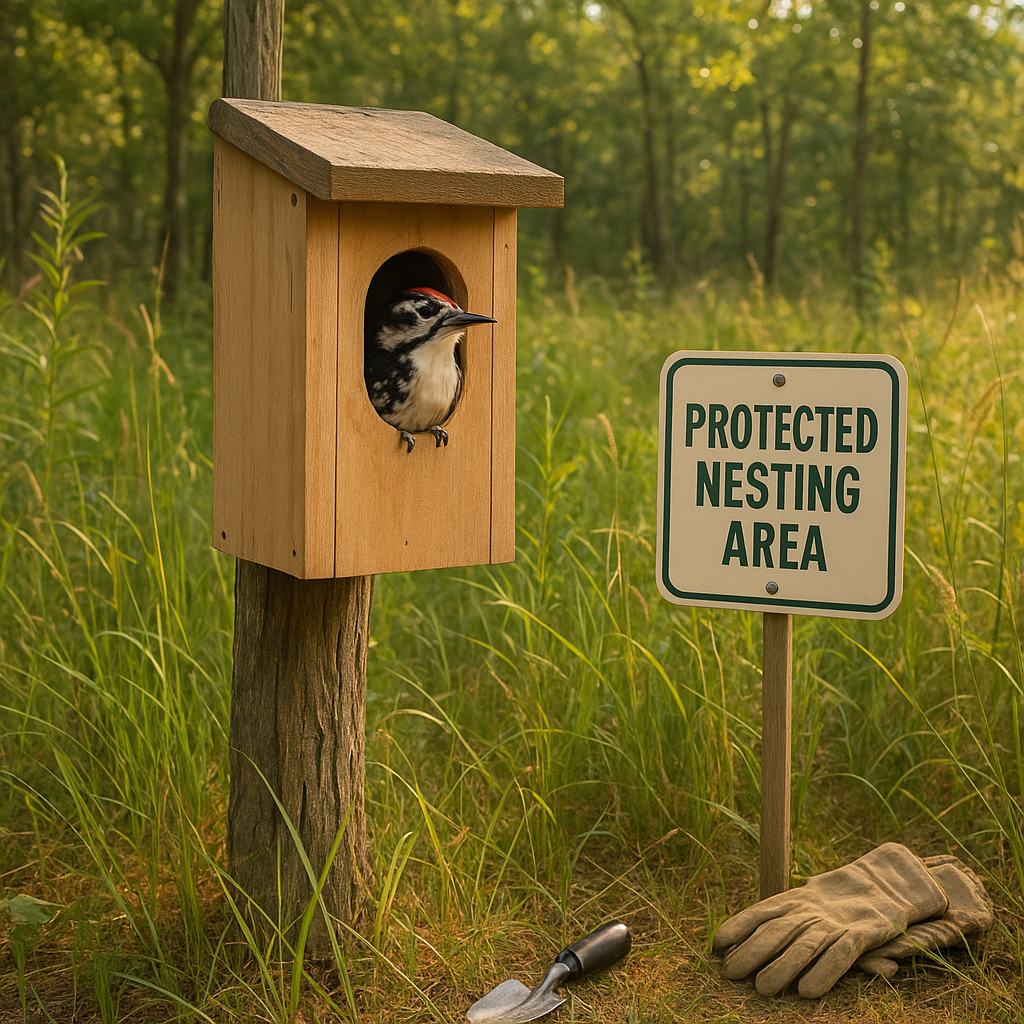
Imagine a lakeshore damaged by years of foot traffic and runoff pollution. The soil compacts, vegetation thins, and water quality declines. By restoring that edge, you help trap sediments, reduce pollution, and create shelter for fish, birds, and amphibians. It is literally rebuilding the foundation for a vibrant wetland.
Why Wetland Edge Restoration Matters to Me
What drives my passion? The answer lies in the massive impact wetland edges have on the environment and our communities. Healthy edges boost biodiversity by offering diverse food and shelter options. They improve water quality by filtering contaminants before they enter lakes or rivers. They reduce flooding by absorbing rainwater and slowing runoff. And yes, they store carbon, helping mitigate climate change.
I once observed a restored wetland edge where native cattails and willows returned after years of neglect. Soon, dragonflies swarmed, frogs chorused, and migratory birds settled in. Moments like these reaffirm the intricate web connecting land and water, plants and animals, and ultimately, nature and people.
Challenges in Restoring Wetland Edges
Wetland edge restoration is rewarding but complex. No two sites are alike. So many factors influence success, from soil type and hydrology to invasive species pressure and climate variability.
Some of the biggest hurdles I've faced include:
- Managing persistent invasive plants like reed canary grass that quickly dominate.
- Securing sufficient funds and resources to carry out multi-year restoration projects.
- Encouraging community involvement when people may not immediately see the benefits.
- Adapting plans to changing rainfall patterns and temperature shifts that affect plant survival.
It can be a slow process, requiring careful monitoring and adjustments. But every step toward restoration restores hope.
How You Can Get Involved with Wetland Edge Restoration
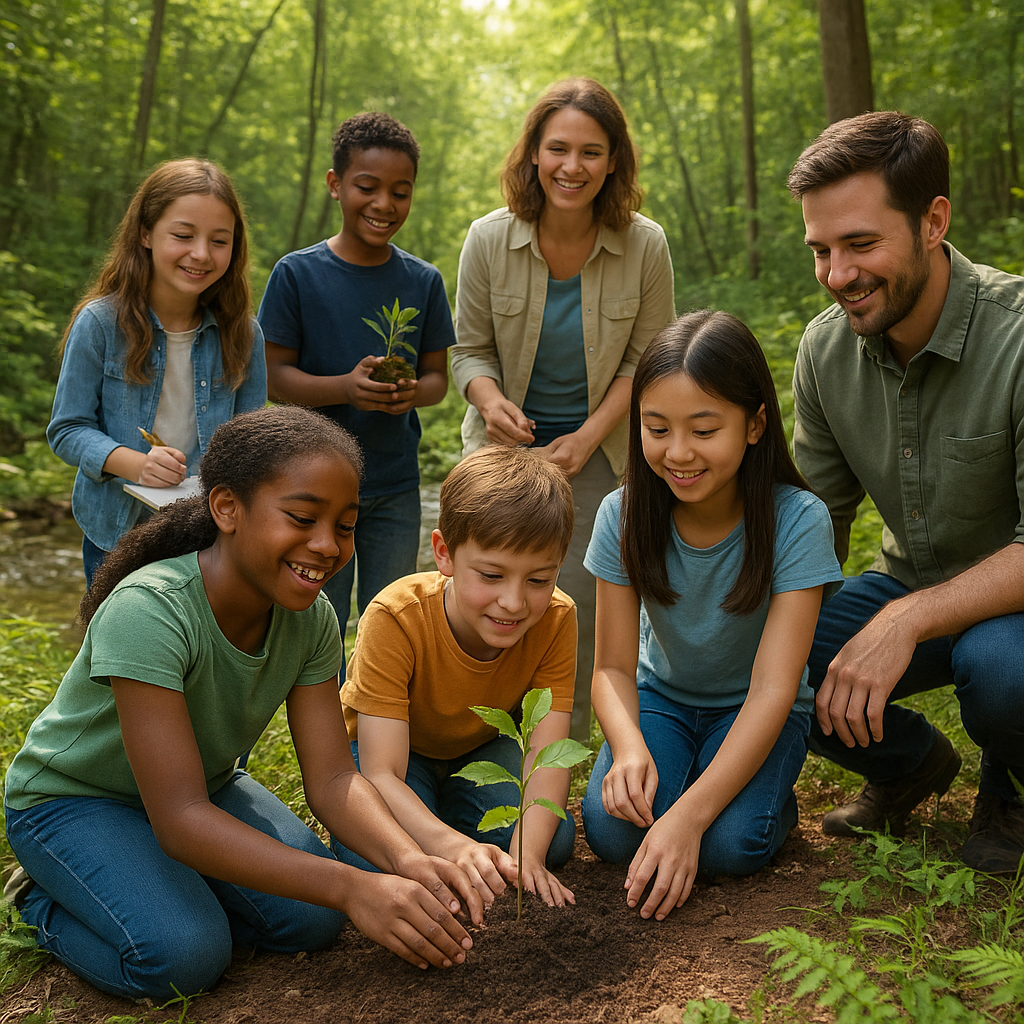
You do not need to be an expert to help. Wetland edges respond well to thoughtful community action, and your efforts matter.
Here are some ways to contribute:
- Learn about local wetland ecosystems and why edges matter.
- Volunteer with local restoration or conservation groups focused on wetlands.
- Plant native species in your yard or community projects, especially near water bodies.
- Help remove invasive plants where permitted and ethically appropriate.
- Advocate for wetland protection policies in your area.
These actions may seem small alone, but together they build a movement that revives fragile wetlands.
Inspiring Wetland Edge Restoration Stories
One standout example is the restoration work along the Chesapeake Bay’s tidal wetlands. After years of shoreline erosion and invasive plant invasion, coordinated planting of native sedges and shrubs stabilized edges, improved water quality, and boosted habitat for fish, crabs, and birds.
Closer to home, I witnessed a creekside restoration where volunteers removed invasive brush and planted a buffer of willows and native marsh plants. Within a couple years, the water cleared, species returned, and the area felt alive again. Seeing these transformations up close reminds me why persistence matters.
My Dedication to Restoring Wetland Edges
Wetland edge restoration is not just a project to me. It is a commitment—a belief that by healing edges, we heal ecosystems and ourselves. This work invites patience, respect for nature’s rhythms, and collective effort.
If you feel inspired, I encourage you to take even one action this month. Volunteer, learn, plant, or simply spend time by a wetland edge and notice its magic. Our planet’s health depends on these vital zones, and by caring for them, we become part of a shared, hopeful future.
Restoring wetland edges has changed how I view the environment. It proves that even the narrow fringes of nature hold immense power to renew and sustain life.
Ready to make a difference? Search for local wetland restoration initiatives and discover how your passion and hands can nurture these precious edges.