Urban Habitat Pocket Parks Insights for December
When I first came across the idea of urban habitat pocket parks, I was instantly drawn in. These tiny green spaces tucked into city corners hold incredible potential. Not just for beautifying neighborhoods, but for bringing back nature in places where it’s been squeezed out. Over time, I’ve realized habitat restoration in cities isn’t just about planting a few trees or flowers. It’s a delicate balance. It requires patience, attention to detail, and a genuine passion for nurturing life in small but powerful ways. So, let me share what urban habitat pocket parks are, why they are vital, and how they can transform cities one plot at a time.
What Are Urban Habitat Pocket Parks?
Urban habitat pocket parks are small green spaces designed specifically to support local plants, animals, and even microscopic life, right inside the city. These are often tiny patches—sometimes no bigger than a parking spot—where nature gets a fighting chance amidst concrete, asphalt, and buildings.
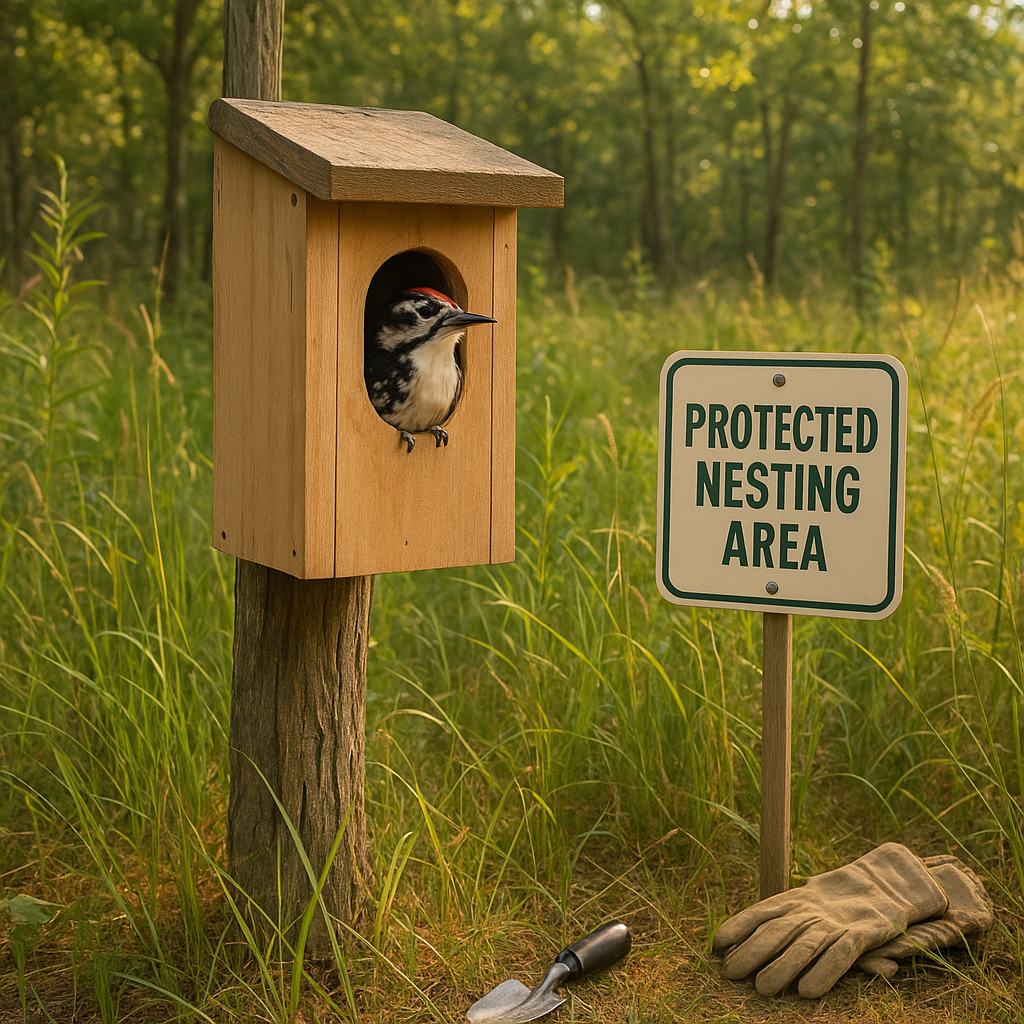
Think of a vacant lot behind downtown shops turned into a thriving garden for butterflies and bees. Or a patch of native grasses and shrubs planted in a neighborhood corner to attract songbirds and pollinators. These pocket parks restore what urban development has taken away, creating vital stopovers or habitats for wildlife and offering city residents access to nature.
Why Urban Habitat Pocket Parks Matter
The value of these small habitats extends far beyond their size. Urbanization strips away natural areas, breaking connections between ecosystems. Pocket parks help repair those connections one step at a time.
Healthy urban ecosystems impact human well-being too. They clean the air, soak up stormwater, cool the heat islands common to cities, and provide peaceful green spots for residents to pause and breathe. Restored pocket parks also foster biodiversity—supporting bees, butterflies, birds, and even small mammals that sustain ecological balance.
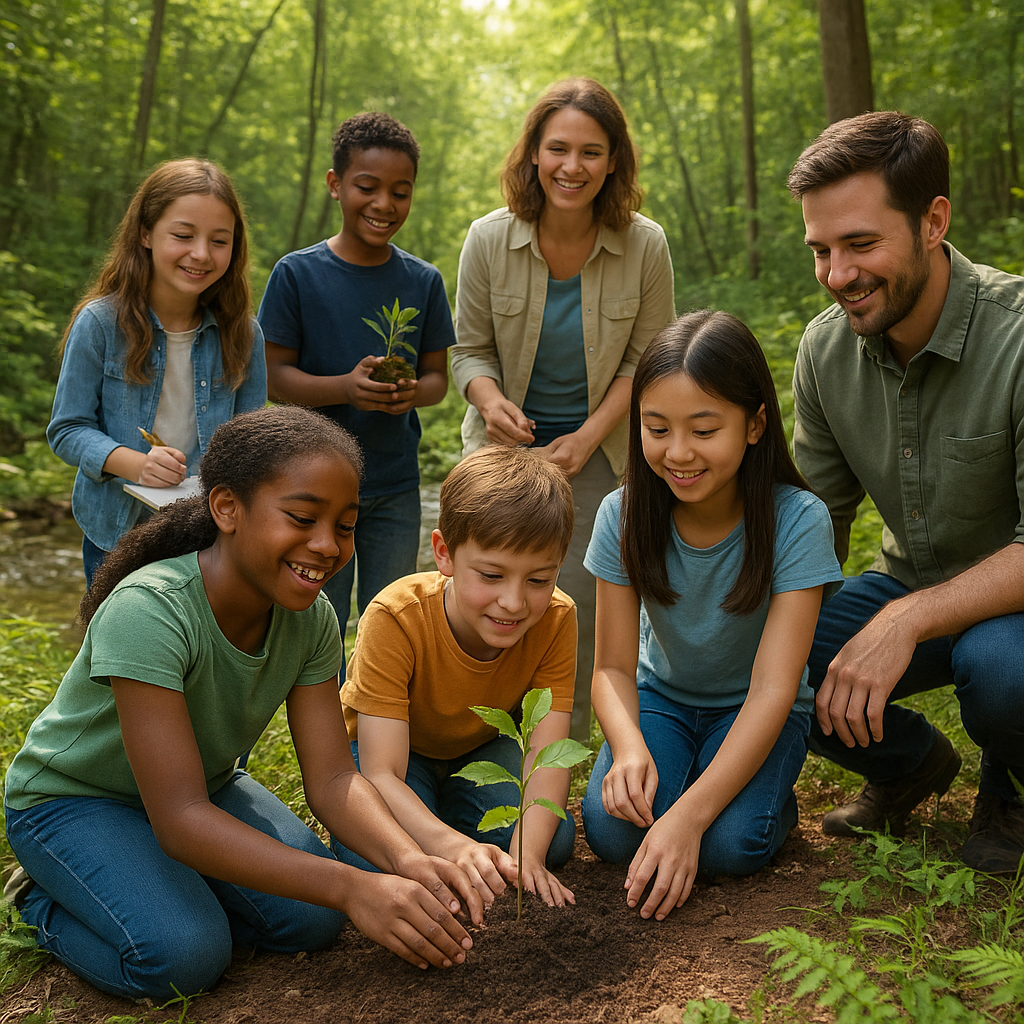
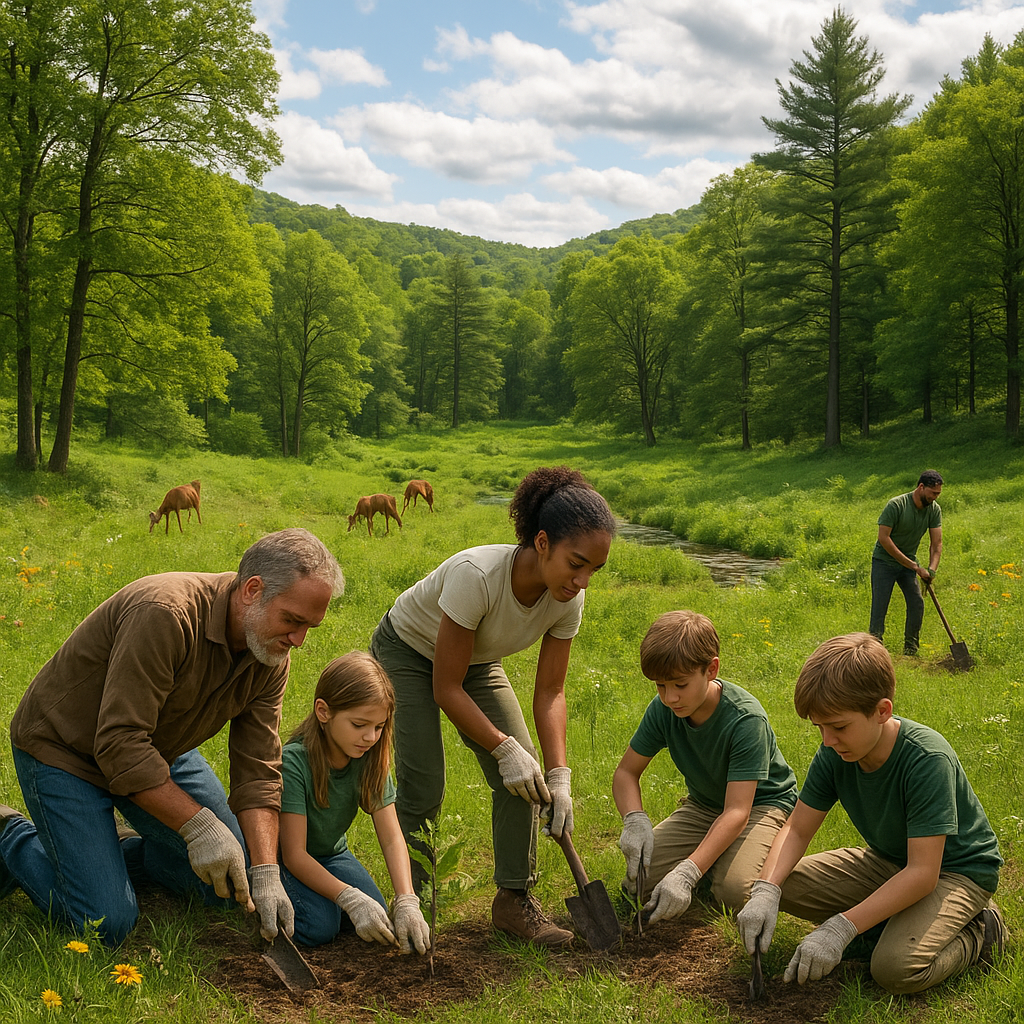
I once helped create a pocket park in my neighborhood. Before restoration, it was a neglected, trash-strewn lot. Now, native plants thrive, pollinators visit regularly, and neighbors often stop by to chat or enjoy a moment outside. Witnessing life return to that tiny space reaffirmed my belief that every patch of green counts.
How to Restore Urban Habitat Pocket Parks: Key Steps
Restoring these mini habitats might seem straightforward, but it requires a thoughtful approach:
1 Assess the Site
Start by investigating the current condition. What plants and wildlife used to be here? What local soil and climate conditions exist? Has pollution or invasive species affected the area? This knowledge shapes every decision ahead.
2 Plan Clear Goals
Set specific targets—like increasing native plant diversity, attracting certain bird species, or managing stormwater runoff. The aim is a functioning ecosystem, not just a pretty patch.
3 Remove Threats
In cities, invasive species and pollution often dominate degraded lots. Carefully remove invasive plants and clean up debris. Sometimes soil needs treatment to support native vegetation.
4 Introduce Native Species
Planting natives suited to the local environment is crucial. These plants support urban wildlife best and adapt well to city stresses. If suitable, create microhabitats such as small ponds, rock piles, or flowering gardens to encourage diverse animals.
5 Monitor and Maintain
Nature needs ongoing attention in urban settings. Check plant growth, keep invasives at bay, and ensure the habitat remains welcoming for wildlife. Maintenance also means involving the community to keep momentum alive.
Challenges in Urban Habitat Restoration I Have Encountered
City restoration projects can be tricky. Invasive species are sly and persistent—they always seem to bounce back. Pollution from nearby roads or industry can threaten water and soil quality. Community engagement may wane once initial enthusiasm fades.
Climate change complicates things further. Unexpected droughts or storms can stress plants and animals, making selection and timing critical. But despite hurdles, success stories show it is possible to create lasting urban green pockets that benefit people and wildlife alike.
Why I Care About These Pocket Parks
For me, urban habitat pocket parks represent hope—a chance to heal fractured ecosystems from the ground up. They remind me that nature doesn’t need vast wilderness alone; even the smallest green spots make a meaningful difference.
I find joy in watching pollinators visit native blooms or hearing a bird sing amid city noise. These moments reinforce that thoughtful, community-driven restoration is vital. We must remember our role as stewards of urban nature. After all, if we build cities for people but forget nature, we lose a vital piece of ourselves.
How You Can Support Urban Habitat Pocket Parks
Getting involved doesn’t require expertise or massive time commitments. Here are some ways you can make a difference:
-
Join local restoration groups or community gardening projects focusing on native plants and habitats.
-
Create a native plant corner in your yard or balcony, providing food and shelter for insects and birds.
-
Educate neighbors about the importance of urban green spaces and how to protect them.
-
Reduce pollution by choosing sustainable transport and minimizing chemical use in gardens.
-
Advocate for city policies supporting green infrastructure and habitat-friendly development.
Every action adds up in rebuilding nature’s foothold in our cities.
Final Reflections
Urban habitat pocket parks may be small, but their impact is mighty. They reconnect wildlife corridors, improve urban resilience, and give city dwellers access to needed green spaces. Restoration here is complex and ongoing but deeply rewarding.
I encourage you to see your neighborhood with new eyes. That neglected vacant lot or underused park might be a future haven for local wildlife. Together, we can breathe life back into our urban landscapes—patch by patch—because preserving nature’s foundation starts even with the tiniest habitats.
Have you ever participated in creating or caring for a pocket park? What challenges or joys did you experience? Share your story below—I look forward to hearing from you.