Youth Leadership In Conservation Insights for June
If you have ever participated in a community project, volunteered for a local cause, or attended a town hall meeting, you have probably seen the impact of community engagement and education firsthand. But when it comes to youth leadership in conservation, these elements take on a powerful new meaning. Engaging young people and educating them about conservation is not just important—it is essential for the future of our environment and communities. Today, I want to share why youth leadership in conservation matters more than ever and how community engagement and education can unlock their incredible potential.
Understanding Youth Leadership in Conservation
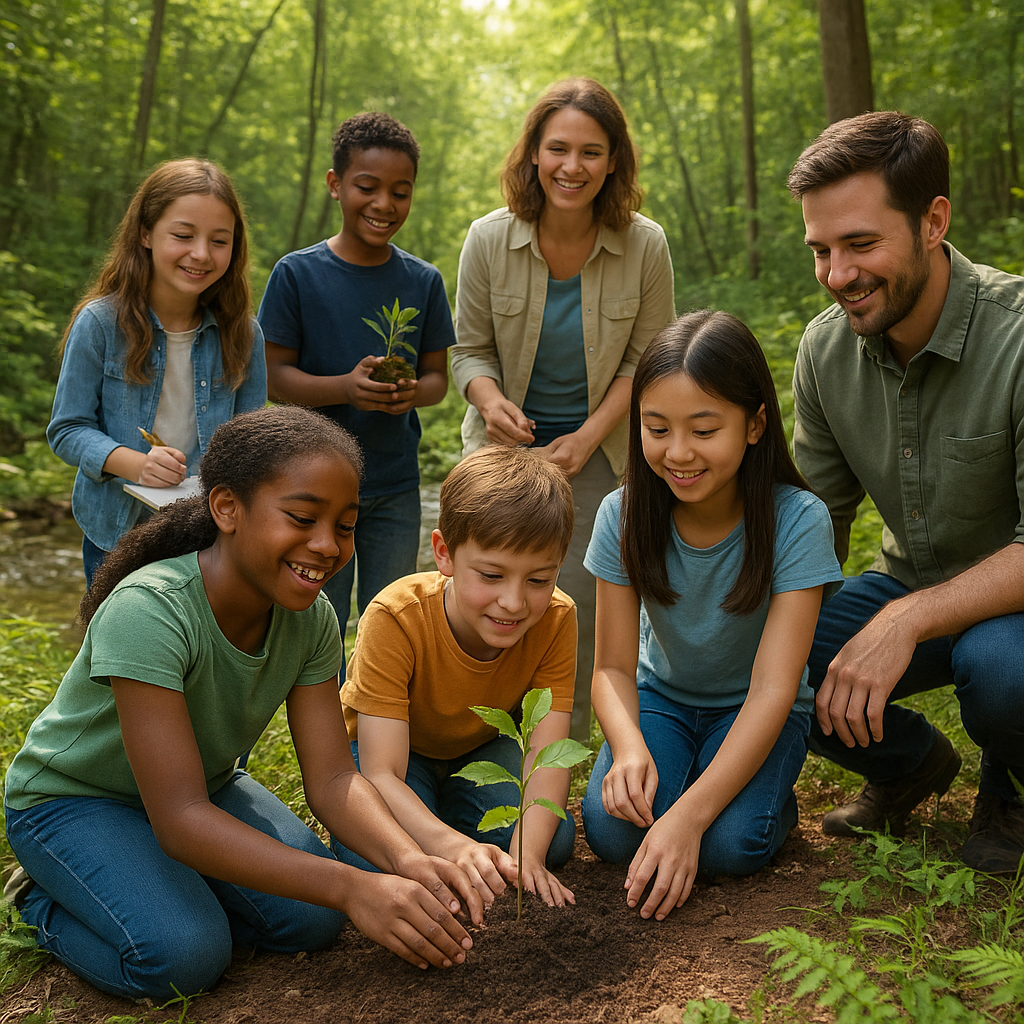
Youth leadership in conservation means giving young people a real voice and role in protecting natural resources and shaping sustainable practices. It involves more than just awareness. It calls for active participation, decision-making, and skill-building so young leaders can contribute meaningfully.
Community engagement and education together provide the foundation for this. Engagement invites young individuals to step up and participate in meaningful ways. Education equips them with knowledge and tools, making their contributions purposeful and impactful.
Why Youth Leadership and Conservation Go Hand in Hand
I have seen many conservation efforts fall short when young people were left out or only involved casually. Ignoring the youth often leads to missed opportunities. Young leaders bring energy, fresh ideas, and a unique perspective deeply connected to the future they will inherit.
When young people understand the challenges and are taught how to address them, their commitment soars. They become advocates, innovators, and caretakers—not just participants. This shift creates momentum that can transform projects from short-lived attempts into long-lasting change.
The Benefits of Empowering Young Conservation Leaders
1. Building Stronger Community Bonds
Young leaders who are engaged in conservation projects build strong networks within their neighborhoods and beyond. These networks foster trust and cooperation, making communities more resilient against environmental challenges.
2. Increasing Civic Participation
Educated and engaged youth are more likely to participate in local government actions related to conservation. They attend meetings, voice concerns, and sometimes even run for office. Their involvement ensures policies reflect future generations' priorities.
3. Creating Sustainable Outcomes
Solutions grow more sustainable when youth contribute ideas that consider social, economic, and environmental aspects. Young leaders understand their communities’ realities and can design approaches that last.
4. Expanding Skills and Opportunities
Conservation education and engagement develop a range of skills: leadership, communication, project management, and technical abilities related to the environment. These skills open doors for education and careers while empowering youth to lead future initiatives.
Practical Ways To Support Youth Leadership in Conservation
You might ask how to foster youth leadership effectively. Here are some approaches I recommend:
Start with Genuine Listening
Give young people platforms to share their views regularly. Use surveys, focus groups, or informal conversations to understand their priorities. Show that what they say influences decisions.
Co-Create Learning Experiences
Work with youth to design workshops, campaigns, or projects. When they help create content, they feel valued and are more engaged. Use creative methods like peer teaching, arts, or technology to keep things lively.
Blend Technology with Personal Connection
Digital tools reach many young people, but they shouldn’t replace face-to-face interactions. Combine social media, webinars, and apps with community gatherings for broader, deeper engagement.
Promote Inclusion and Accessibility
Recognize diversity among youth—cultural backgrounds, economic status, abilities. Make sure activities are accessible in time and location, provide resources like transportation or childcare if needed, and communicate in ways that everyone can understand.
Celebrate Achievements Openly
Highlight young leaders’ successes publicly. Share stories of progress and milestones often. Recognition boosts confidence and inspires others to get involved.
Inspiring Example From The Field
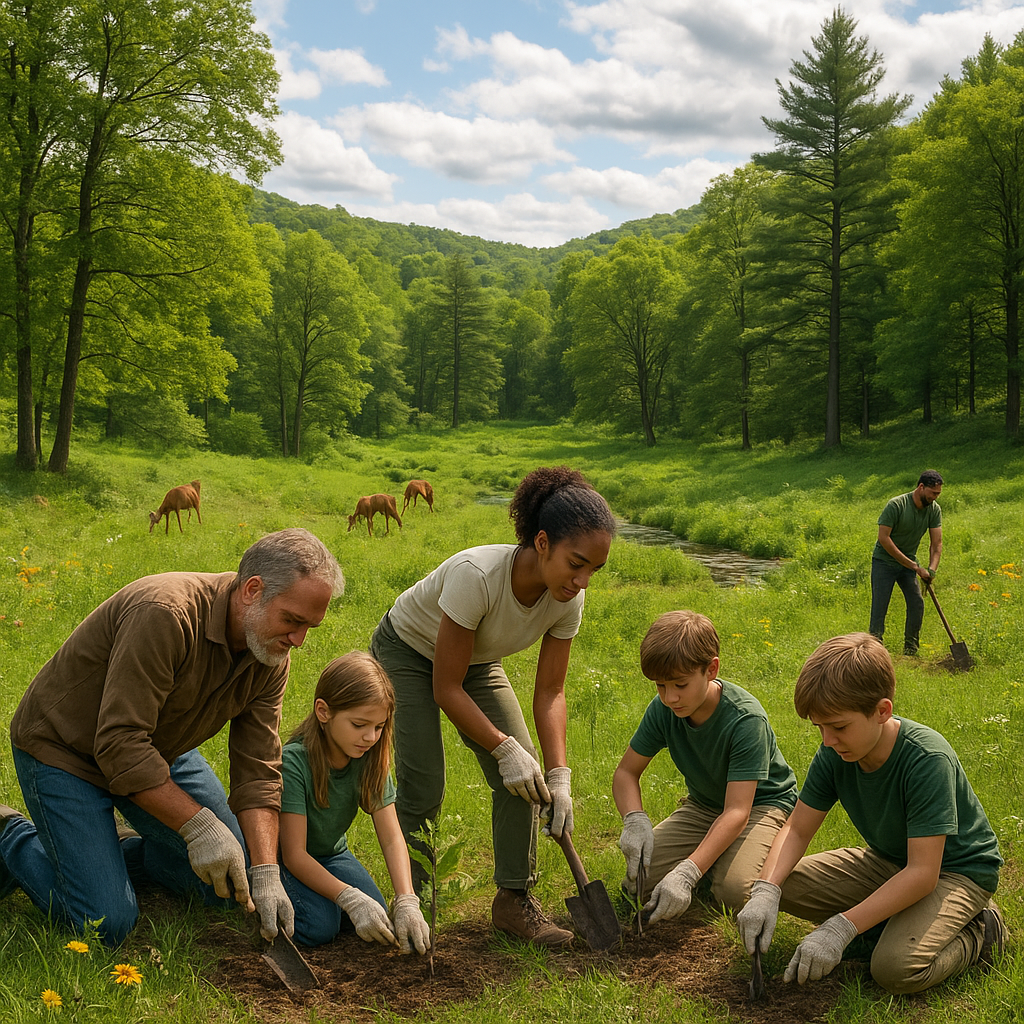
One inspiring initiative I witnessed took place in a small town grappling with environmental degradation and limited economic opportunities for young adults. Instead of launching top-down programs, local conservation groups and schools invited youth to participate directly in addressing these issues.
Together, they started community restoration projects, educational campaigns, and advocacy efforts for better environmental policies. Youth-led gardens, cleanups, and waste reduction programs followed. Over two years, the town saw improved air and water quality, higher youth employment in green sectors, and a stronger culture of environmental stewardship.
This success was no accident. It came from genuinely engaging youth and providing education tailored to their needs and strengths.
Overcoming Challenges in Youth Conservation Leadership
Of course, working with youth is not without hurdles. There can be skepticism from adults, limited funding, or volunteers feeling overwhelmed. The key is dedication and flexibility.
Keep communication open. Avoid overpromising. Partner with schools, nonprofits, and businesses to pool resources. Foster a mindset of patience and hope. Change takes time but is worth every effort.
Why This Matters To You
You might be wondering, how does youth leadership in conservation impact you?
Well, it shapes the places where we live, breathe, and thrive. Engaging young people in conservation leads to cleaner air, better-managed natural resources, and stronger communities—all benefiting everyone.
Plus, many of us are part of communities with youth eager to make a positive difference. Supporting their leadership enriches all our lives.
Starting small can make a big difference. Attend a local youth-led environmental event, offer your expertise, or simply listen to young voices. These steps create ripples that grow fast.
For me, youth leadership in conservation is not a trend. It is a lifeline for our planet’s future. I invite you to join this vital movement.
Have you worked with young people in conservation or community leadership? What successes or challenges have you encountered? Share your experiences below—I look forward to hearing from you.