Wetland Edge Restoration Insights for September
When I first encountered the idea of wetland edge restoration, I felt both curiosity and a little unease. Restoring the delicate transition zones where wetlands meet dry land seemed a massive task. But as I spent more time working on these edges, I realized just how critical and rewarding this work can be. These areas—often overlooked—are vital to the health of wetlands and the wildlife they support.
In this post, I want to share what I have learned about restoring wetland edges. I will walk through why these zones matter, what the restoration process looks like, and how you can get involved. If you care about preserving nature and want to understand how to protect these fragile spaces, keep reading.
What Is Wetland Edge Restoration?
Wetland edge restoration focuses on repairing the boundary where water meets land. This edge can include marshy banks, reed beds, and transitional vegetation. These zones act as buffers, filtering water, offering habitat to many species, and maintaining the wetland’s overall function.
Restoring these edges often involves:
- Removing invasive plants choking native vegetation
- Planting native species adapted to fluctuating water levels
- Stabilizing soil to prevent erosion
- Reintroducing animals that depend on these habitats
- Improving water flow and quality through natural means
It's about rebuilding the natural balance where land and water connect—a vital part of keeping wetlands healthy.
Why Wetland Edges Are So Critical
You might wonder why special attention goes to wetland edges. Wetland interiors get plenty of focus, but the edges quietly play multiple essential roles.
Here’s why these zones deserve restoration efforts:
- They serve as hotspots for biodiversity; many animals rely on edges for feeding, breeding, and shelter.
- Edges function as natural filters, catching sediments and pollutants before they enter open water.
- Healthy edges help prevent erosion of wetland banks, preserving the wetland size and shape.
- They act as buffers against flooding, slowing water runoff and reducing damage downstream.
- These zones support unique plant communities that withstand changing water levels.
Simply put, a healthy wetland edge means a stronger, more resilient wetland overall.
The Restoration Process: Step by Step
Restoring wetland edges is a precise and delicate process. It demands patience and ongoing care. From my experience, here is the typical journey of wetland edge restoration:
1. Site Assessment and Goal Setting
First comes a thorough site evaluation. This involves understanding soil conditions, water levels, plant and animal life, and any human impact. Gathering this information helps set clear restoration goals tailored to the specific wetland.
2. Managing Invasive Species
Invasive plants often take hold on edges, crowding out natives. Removing these invaders may include manual clearing or controlled burns—not an easy task but necessary. Precision is key to avoid harming remaining native plants.
3. Stabilizing the Soil
Wetland edges are prone to erosion. Planting native shrubs and grasses with strong root systems helps hold the soil in place. Sometimes, biodegradable materials are added to reinforce the banks during early growth.
4. Replanting Native Vegetation
Introducing native species suited for wetland edges is essential. These plants tolerate water fluctuations and support diverse wildlife. Using local seeds or cuttings makes a big difference in success rate.
5. Ongoing Monitoring and Maintenance
Restoration is a long-term commitment. Regular checks help spot new invasives or erosion problems early. Maintenance may involve additional planting or adjustments as conditions change.
My Experience Restoring Wetland Edges
One memorable project involved a wetland edge near a river that had been damaged by runoff and invasive reed plants. The reduction in native plants had created wide bare patches vulnerable to erosion.
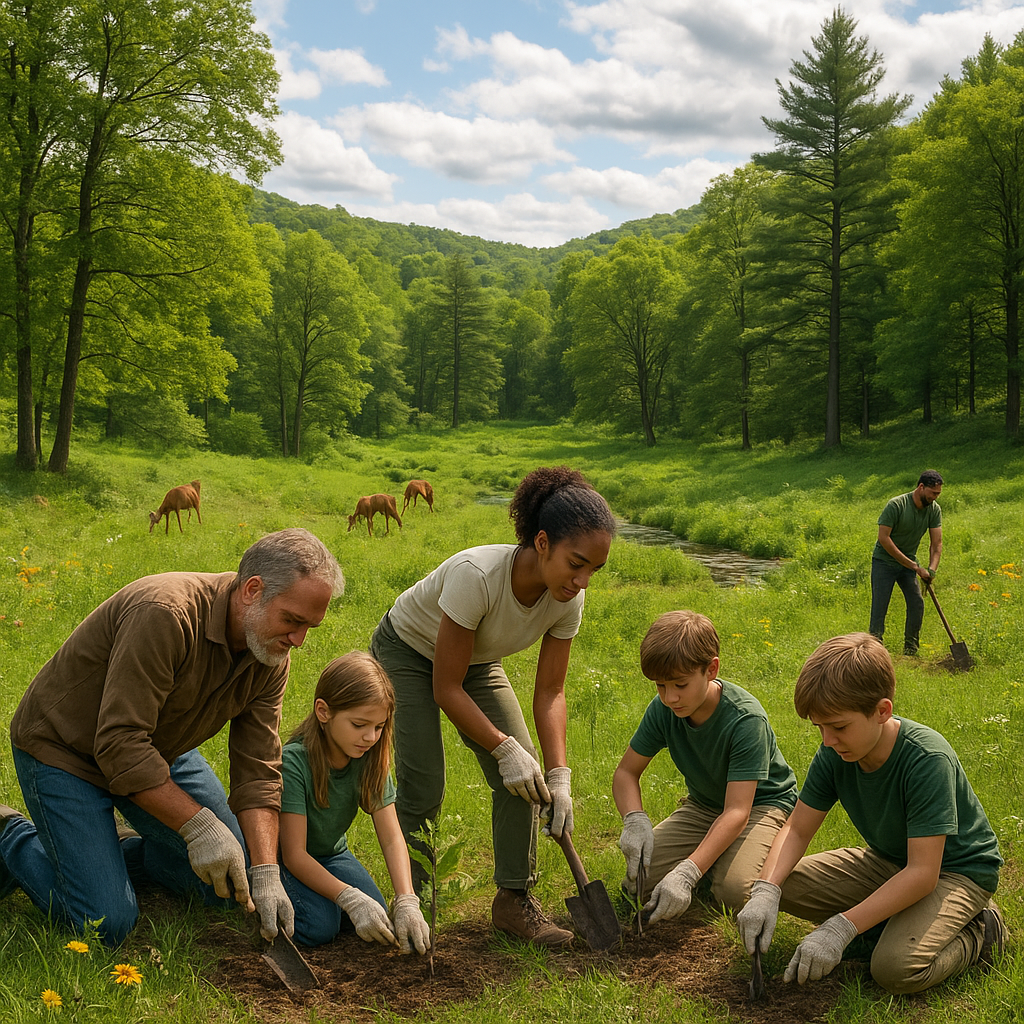
Our team started by clearing the invasive reeds carefully, making sure not to disturb the soil too much. We then planted a mix of sedges, willows, and rushes. Over time, those plants took root, stabilizing the banks and creating habitat for frogs and birds.
It was inspiring to witness life return slowly but surely. The process was not smooth—heavy rains washed away some young plants the first season, and invasives tried to creep back. It required perseverance, but the results proved how powerful good restoration can be.
How You Can Help with Wetland Edge Restoration
Want to make a difference? Here are some ways to get involved:
- Join local conservation groups focused on wetlands. Volunteers are always valuable for planting and cleanup efforts.
- Create a native plant buffer near water bodies on your property to support wetland edges.
- Advocate for policies protecting wetlands from development and pollution.
- Educate your community about why wetlands and their edges matter.
Even small actions add up when many people take part.
Challenges and Opportunities Ahead
Restoring wetland edges is rewarding but comes with hurdles. Limited funding can slow projects. Climate change introduces unpredictable water patterns that complicate planning. Finding ways to balance human land use with wetland protection requires ongoing dialogue.
Yet technology and community science offer new possibilities. Tools like drones can help map and monitor large areas. Genetic research helps identify species suited for changing conditions. Most importantly, increased public awareness turns more hands and hearts toward restoration efforts.
Closing Thoughts
Wetland edge restoration is about more than fixing land. It’s restoring the invisible threads that connect water, plants, and wildlife. These edges serve as frontlines in the health of the entire wetland ecosystem.
I have learned that success in restoration demands humility and persistence. Nature heals on its own time, but with thoughtful care, we can guide recovery. Together, by focusing on these vital margins, we help wetlands endure and thrive.
If you are looking to get involved, start small but stay engaged. Plant native species near streams. Volunteer for local projects. Speak out for wetland protection. Your effort matters.
After all, a restored wetland edge means cleaner water, richer wildlife, and a more balanced planet for all of us.
Ready to step into the world of wetland edge restoration? Find a local project, plant some native species, or simply spread the word. Every action helps build a healthier future.
Thank you for reading and caring about our shared natural heritage. Please share this post to inspire others in protecting wetlands.