Wetland Edge Restoration Insights for December
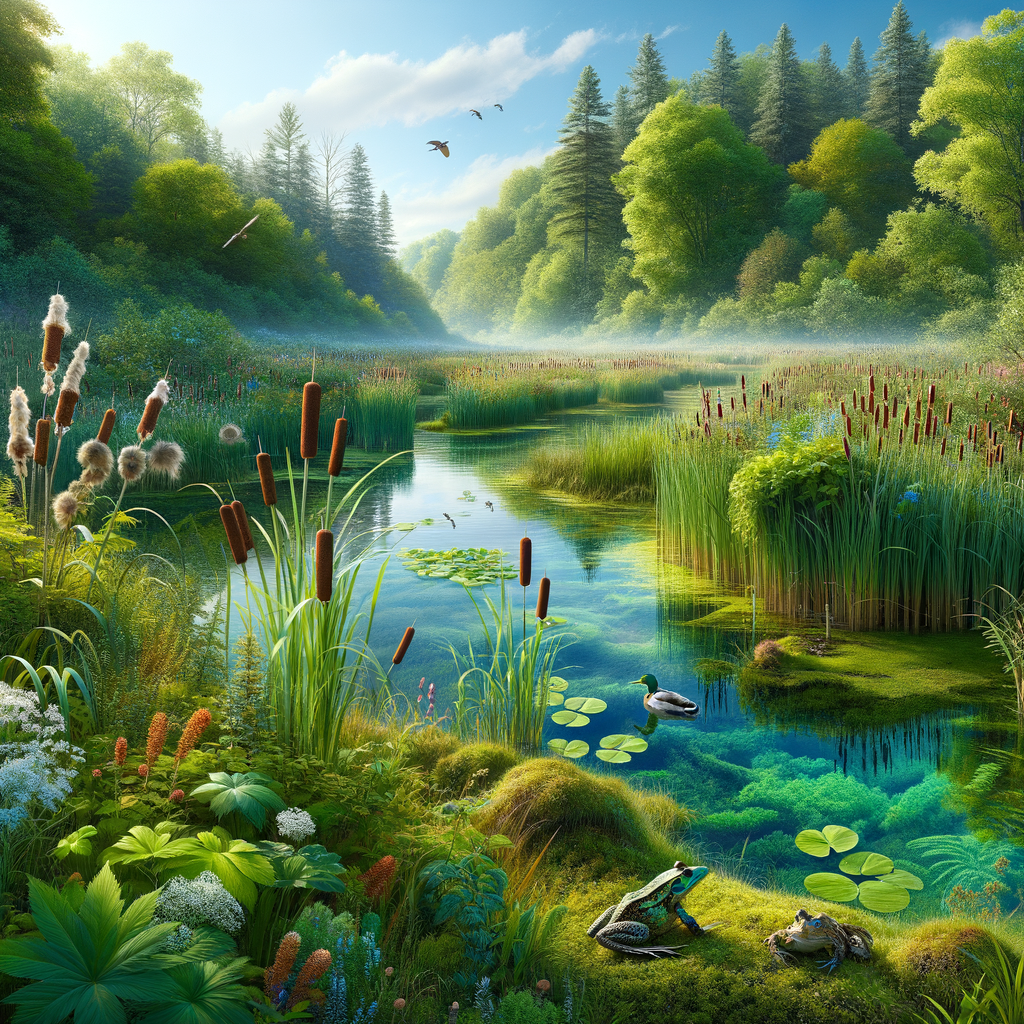
When I first got involved in wetland edge restoration, I didn't fully grasp just how crucial these areas are to our environment. Over time, I’ve learned it is far more than just planting reeds or clearing debris along water’s edge. Wetland edges are vital transition zones between aquatic and terrestrial habitats, supporting an incredible variety of wildlife while providing essential ecosystem services.
Today, I want to share what I’ve discovered about restoring these fragile zones. Whether you care about conservation, are involved in environmental work, or simply want to understand how to help, understanding wetland edge restoration can open up new opportunities to make a real impact.
What Exactly Is Wetland Edge Restoration
Wetland edge restoration focuses on repairing and enhancing the boundary areas where wetlands meet land. These edges perform essential roles such as filtering pollutants, stabilizing shorelines, and offering rich habitat for plants and animals. However, they are highly sensitive to disturbances like pollution, invasive species, and human development.
Restoring these edges means more than just vegetation planting. It involves analyzing soil conditions, water flow, species interactions, and erosion patterns. Each wetland edge is unique. For example, a freshwater marsh edge has different restoration needs than a saltwater estuary boundary.
Successful restoration requires precise planning and ecological knowledge combined with on-the-ground actions tailored to the specific site.
Why Focus on Wetland Edges
Some might overlook the edges when thinking about wetlands, but I’ve found their importance cannot be overstated. Here’s why:
1. Protecting Biodiversity Hotspots
Wetland edges support diverse communities of amphibians, birds, insects, and plants. They provide food, shelter, and breeding areas that many species depend on. Destroyed or degraded edges leave wildlife vulnerable and reduce overall biodiversity.
2. Enhancing Water Quality
Edges act as natural filters. Vegetation traps sediments, uptakes excess nutrients, and breaks down pollutants before they reach open water. Restoring edges boosts this natural filtration capacity, improving downstream water health.
3. Preventing Erosion and Flood Damage
Strong vegetation along wetland borders anchors soil and slows water runoff, reducing erosion. This stabilization helps protect inland areas from flooding during storms and high rainfall events.
4. Supporting Climate Mitigation
Wetland plants sequester carbon while keeping ecosystems resilient against climate shifts. Repairing damaged edges strengthens these functions and supports broader environmental resilience.
My Experience in Wetland Edge Restoration
I’ll never forget the time I worked on an urban wetland edge suffering from invasive reed domination and heavy trash accumulation. Initially, it was overwhelming. Thick non-native plants crowded out natives, altering water flow and suffocating habitat suitable for native frogs and birds.
We started with a detailed assessment, mapping invasive spread, soil erosion spots, and pollution sources. Then, removal efforts focused on invasive reeds while protecting existing native plants. We carefully replanted native sedges, rushes, and wildflowers from local seed sources to maintain genetic integrity.
Hydrology experts helped adjust water channels to restore natural flow patterns. Through months of monitoring and adaptive management, we saw native amphibians return and improvements in water clarity and soil stability. The nearby community also gained a renewed appreciation for their wetland green space.
This taught me that patience is crucial. Restoration is a long-term commitment with gradual, often visible results emerging over years.
Essential Steps for Wetland Edge Restoration Success
If you are considering taking part in wetland edge restoration, here is a clear process to follow:
1. Assess and Learn
- Survey current plant and animal populations, soil, and water conditions.
- Research historical states of the edge area to guide target outcomes.
- Engage experts and local stakeholders to incorporate diverse knowledge.
2. Define Clear Goals
- Decide what success looks like – whether it's increasing native species cover, reducing invasive plants by a certain percentage, or improving specific habitat functions.
3. Prepare the Area
- Remove invasive species carefully without damaging natives.
- Clean up pollutants and stabilize eroding banks using natural materials.
4. Replant Native Vegetation
- Use local native species suited to the wetland edge microclimate.
- Source seeds and plants regionally to preserve genetic diversity.
- Avoid overplanting to maintain natural spacing and species balance.
5. Monitor and Adapt
- Monitor vegetation growth, wildlife return, and water quality regularly.
- Adjust techniques based on observations and new findings.
- Encourage community involvement to support ongoing care.
Challenges I’ve Faced in Wetland Edge Restoration
Restoring wetland edges comes with its share of hurdles:
- Invasive species keep coming back: Persistent management is necessary to prevent reinvasion.
- Limited funding: Resources can be scarce, requiring creative solutions and partnerships.
- Climate unpredictability: Changes in rain patterns and temperature affect restoration success.
- Balancing human use: Wetland edges often intersect with recreational or private lands, needing compromise and communication.
Despite these, each challenge brings lessons and opportunities to innovate.
How You Can Help Restore Wetland Edges
You don’t need to be an expert to make a difference. Here are practical ways anyone can get involved:
- Volunteer with local wetland restoration groups or nature centers.
- Plant native species along streams or in your backyard to create small habitat corridors.
- Reduce chemical use and limit pollutants entering waterways.
- Support policies and organizations focused on wetland conservation.
Even small steps contribute to healthier wetlands and richer biodiversity.
In Closing
Wetland edges are some of the most dynamic, ecologically valuable places on Earth. Restoring these zones breathes new life into wetlands, benefiting wildlife, water quality, and climate resilience.
If you care about the environment and want to make a meaningful impact, I urge you to explore wetland edge restoration further. Your efforts, combined with others’, can ripple outward to strengthen ecosystems and communities alike.
Together, we can protect and heal these vital natural boundaries—one wetland edge at a time.
Let’s champion wetland edge restoration this December and beyond.