Watering Schedules For Young Saplings Insights for March
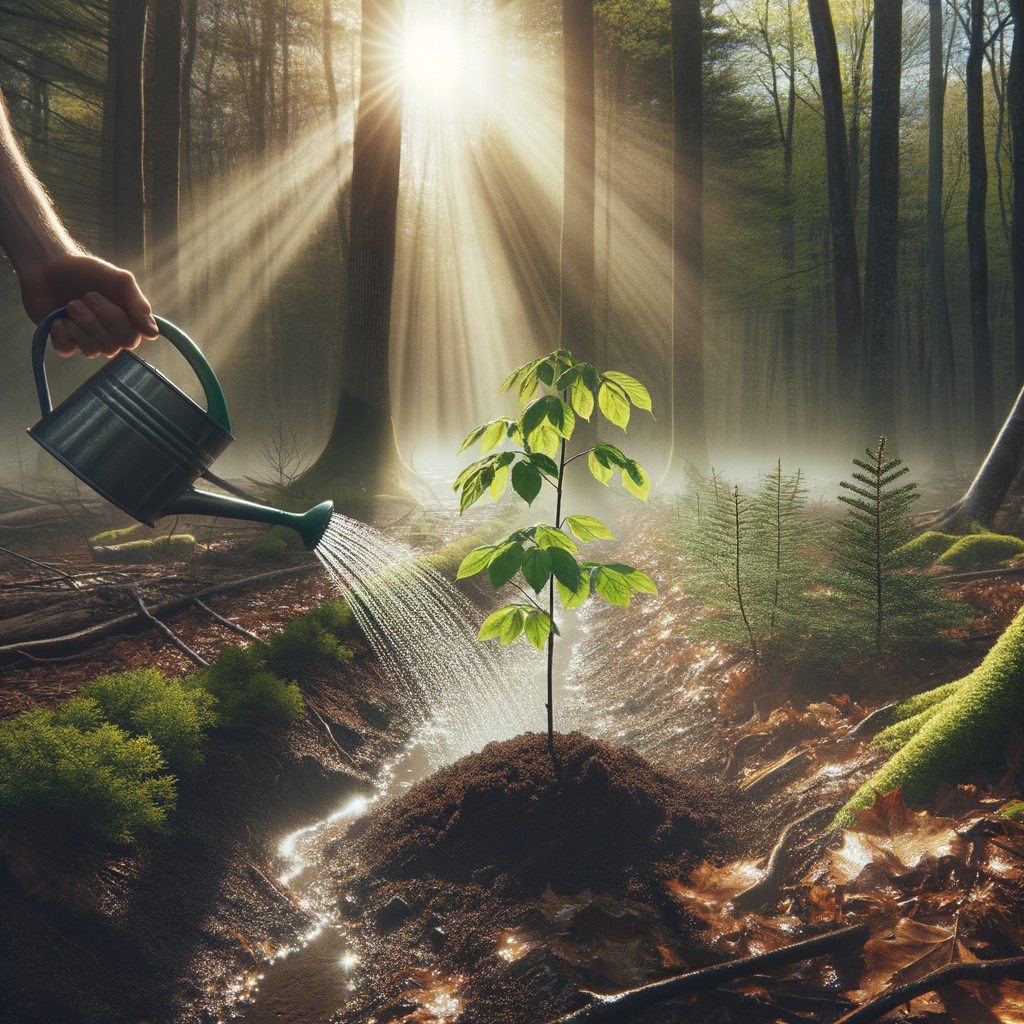
Watering young saplings might seem straightforward at first glance. You might think, just water them regularly, and they will grow. But after spending considerable time in the field and nursery, I can tell you it is far more nuanced. The timing, amount, and frequency of watering can literally make or break the success of a reforestation project. Especially in March, when the climate shifts and young trees face changing weather patterns, understanding how to adjust watering schedules becomes critical.
Why Proper Watering Matters for Young Saplings
Young saplings have delicate root systems. Unlike mature trees, they cannot access deep water reserves. Water stress at this stage can stunt growth, increase vulnerability to diseases, and even cause death. On the flip side, overwatering is a danger too, leading to root rot or nutrient leaching. So the goal is balance: keep them moist enough to thrive but avoid saturation.
March is a tricky month for watering. It usually marks the transition from winter to spring with fluctuating temperatures and sometimes irregular rainfall. Misjudging watering needs at this time can set saplings back for months.
Key Factors To Consider When Planning Watering in March
Climate and Weather Patterns
Understand your local climate first. Is March dry or wet? Is there risk of frost early in the month? Do temperature swings occur from day to night? These questions determine how much water your saplings will need.
Soil Type and Drainage
If your soil is sandy, water drains quickly, so saplings may need more frequent watering. Clay soils hold water longer but risk waterlogging, especially if drainage is poor. Loamy soils offer an ideal balance but still require monitoring.
Sapling Species and Age
Different tree species have different water needs. Fast-growing species might demand more water, while drought-tolerant ones manage with less. Younger saplings need more frequent watering than those a year old or older.
Designing an Effective Watering Schedule for March
1. Start with a Soil Moisture Check
Before watering, always check the soil moisture. Dig a hole a few inches deep near the sapling. If soil feels dry at that depth, it is time to water. If still moist, wait a day or two.
2. Water Deeply and Less Often
Shallow watering encourages roots to stay near the surface, increasing vulnerability to drought. Instead, water deeply enough to soak the root zone. This helps roots grow downward, strengthening the tree.
3. Morning Watering is Best
Water in the early morning to reduce evaporation losses. It also allows leaves to dry during the day, lowering the risk of fungal diseases.
4. Adjust Frequency as Weather Changes
If March is dry and warm, you may need to water every two to three days. On cooler, rainy days, watering once a week or even less might suffice. Always keep an eye on weather forecasts.
5. Use Mulch to Retain Soil Moisture
Applying mulch around the base of the sapling reduces evaporation, keeps soil temperature stable, and suppresses weeds competing for water.
Common Watering Challenges and Solutions
- Overwatering: Look for yellowing leaves, softened stems, or waterlogged soil. Cut back watering frequency and improve drainage.
- Underwatering: Wilting, dry soil, and slow growth are signs. Increase watering and check if soil type requires different watering techniques.
- Inconsistent Watering: Avoid erratic watering schedules. Consistency helps saplings build strong roots and withstand stress.
- Watering Equipment Problems: Check drip lines, hoses, and sprinklers regularly to ensure they deliver water evenly.
Personal Experience: What I Learned About Watering Saplings in March
During a recent restoration project, I underestimated March watering needs due to unexpected warm spells. Several saplings showed signs of stress. Adjusting the schedule to water deeply every three days and adding a thick mulch layer turned the situation around quickly. This reinforced the lesson that flexibility and observation are key.
In another case, relying on fixed scheduled irrigation without soil monitoring led to some overwatered patches. Moving to soil moisture–based watering cut water use and improved survival rates significantly.
Final Thoughts: Watering is More Than Just a Routine
Watering young saplings in March requires an attentive, informed approach. It demands you to observe, adapt, and understand the unique needs of your trees, soil, and local climate. The payoff is huge—strong, healthy trees establishing well and growing steadily.
If you manage reforestation or tree planting projects, consider these watering insights for March. Combining knowledge with care will boost survival, help restore forests, and make your efforts truly count.
Happy watering and best of luck with your saplings this March
— Your Name