Volunteer Tree-Planting Stories Insights for August
When I first got involved with volunteer tree-planting, I wasn’t sure what to expect. Tree planting sounded straightforward but as I dove in, I realized it’s much more than just putting saplings in the ground. It’s a powerful way to engage communities, educate people about the environment, and build lasting connections. Over time, these volunteer stories taught me why community engagement and education matter—now more than ever.
What Does Community Engagement Mean for Tree Planting?
Community engagement goes beyond a one-time event or casual help. In the context of tree planting, it means creating an ongoing relationship between volunteers, local residents, and leaders. It’s about understanding the local environment, the needs of the community, and figuring out how planting trees fits into their lives.
Over the past few months, I’ve seen how engagement can take many shapes:
- Organizing neighborhood planting days where everyone pitches in
- Hosting workshops on the benefits of urban forests
- Sharing stories and tips on social media to inspire others
- Collaborating with schools to create student-led planting projects
These activities do more than add trees to a map. They build trust, strengthen neighborhoods, and open the door to environmental education.
Facing the Challenges on the Ground
Engaging a community in tree planting isn’t always simple. Sometimes, people feel like outsiders in their own neighborhoods. They worry the projects won’t reflect their needs or that their voices won’t be heard. That disconnect can kill enthusiasm fast.
Language barriers or transportation issues can also limit who can join in. And then there’s the hard truth: planting trees requires commitment beyond a one-day event. Maintaining and protecting those trees demands ongoing care. Without sustained momentum, young saplings—and community efforts—can wither.
Education as a Catalyst for Empowerment
Education in tree planting is not about lectures or overwhelming facts. It’s about sparking curiosity and empowering participants to make informed choices. When people understand why trees matter—for clean air, shade, or community beauty—they take ownership.
Effective education is:
- Relevant to the local environment and community concerns
- Accessible through varied formats and languages
- Interactive, allowing questions, hands-on learning, and shared solutions
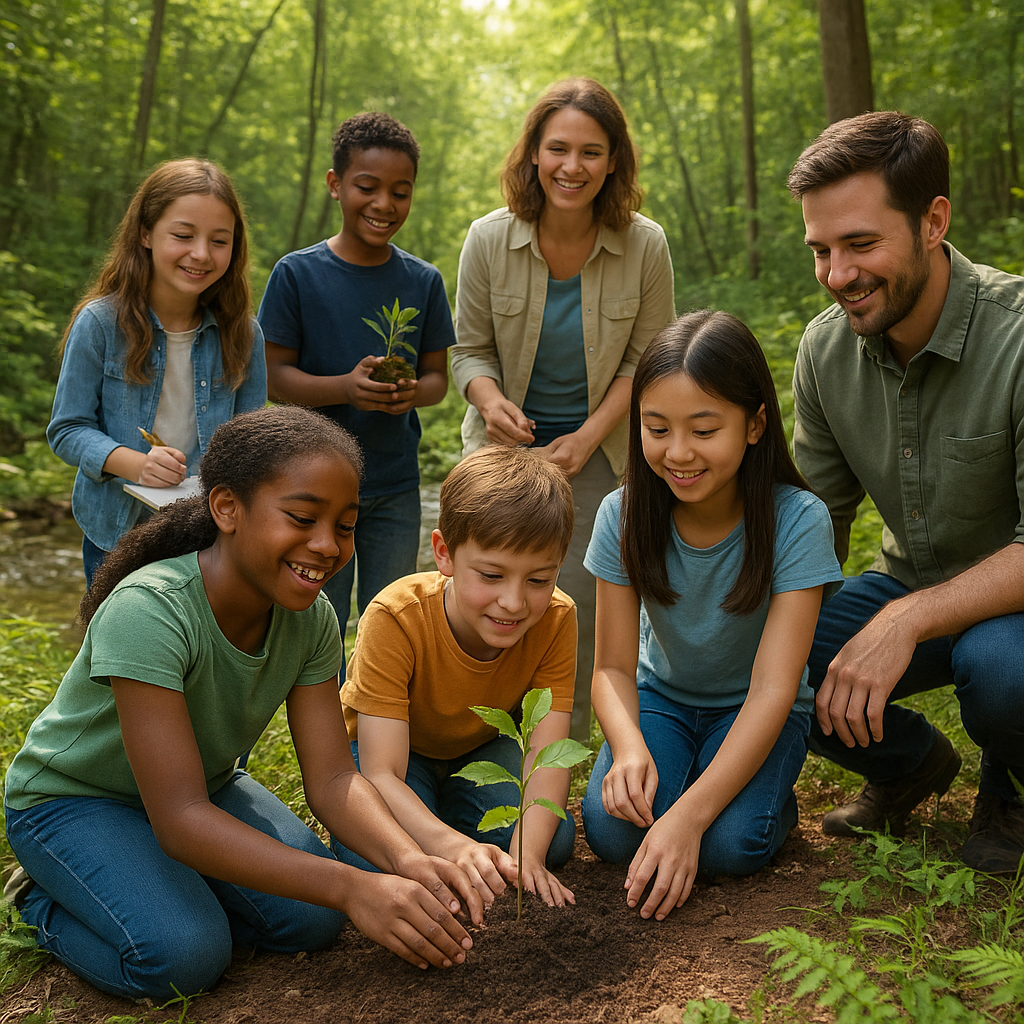
For example, I helped with a planting workshop where residents learned how trees can reduce urban heat. We discussed simple ways to protect their new trees and keep neighborhoods greener. The takeaway wasn’t just facts—it was a sense of empowerment.
Why Engagement and Education Must Work Together
Think about any successful tree-planting initiative. The best projects happen where community members are engaged and educated. Without education, involvement can feel like a chore. Without engagement, education can seem out of touch or imposed.
Together, they:
- Build trust by showing respect and transparency
- Give people the knowledge to care for trees long term
- Inspire creative solutions tailored to the community’s unique needs
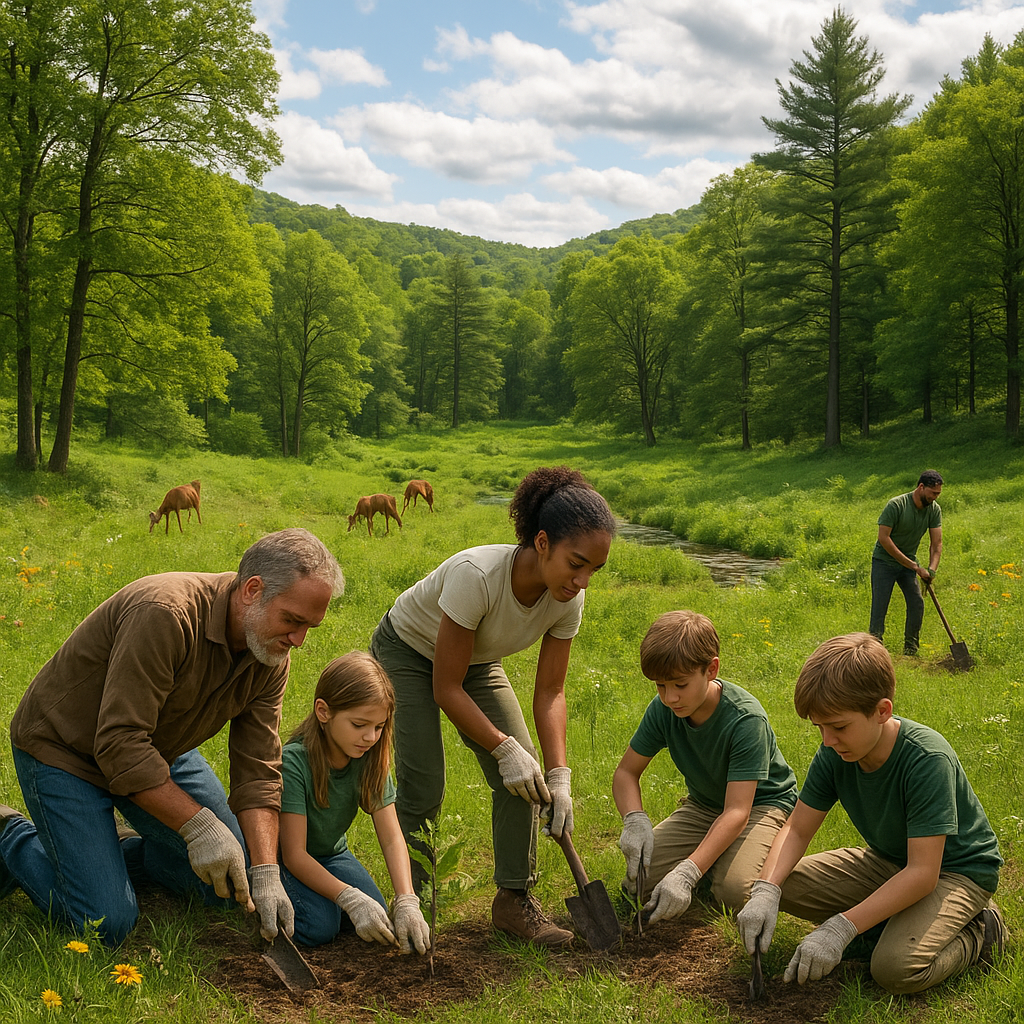
One story I cherish involves a local planting event where residents planned the layout, chose native species, and shared planting tips. They didn’t just plant trees—they nurtured a shared dream. The result was a thriving green space and stronger community ties.
Steps to Boost Volunteer Engagement in Tree Planting
If you’re looking to kickstart or deepen your community tree-planting efforts, here are some steps I found helpful:
-
Listen First
Start with understanding. Host listening sessions or surveys to learn what matters most to your community. -
Partner with Local Groups
Collaborate with schools, nonprofits, and neighborhood leaders who already earn trust. -
Customize How You Educate
Use videos, workshops, printed guides, and digital tools to reach everyone effectively. -
Create Welcoming Spaces
Make sure every volunteer feels respected and valued. Address power imbalances openly and honestly. -
Celebrate Every Success
Whether planting one tree or one hundred, recognize progress to keep spirits high. -
Use Technology Wisely
Digital tools can amplify your reach but keep in mind not everyone has equal access or skills.
Looking Forward: The Future of Community Tree Planting
What keeps me motivated is the human side of these efforts: the stories, connections, and shared goals. In tackling big challenges like climate change, social cohesion, or urban health, communities that are informed and engaged hold the key.
If you are passionate about making a difference—start where you are. Get involved genuinely. Learn and teach with heart. Sometimes, the smallest tree can spark the biggest change.
I want to hear your tree-planting stories. Have you been part of a volunteer project that grew roots beyond the trees? Please share in the comments below and let’s keep the conversation alive.