Urban Habitat Pocket Parks Insights for February
If you have ever paused in a bustling city street and noticed a small green space—a pocket park—offering a brief moment of calm, you know how vital these spots are. These tiny patches of nature nestled within urban areas are more than just pretty places. They can transform neighborhoods, support local wildlife, and improve the overall health of our cities. I am passionate about urban habitat restoration, especially the role pocket parks play in bringing nature back to where it is often missing.
What Are Urban Habitat Pocket Parks?
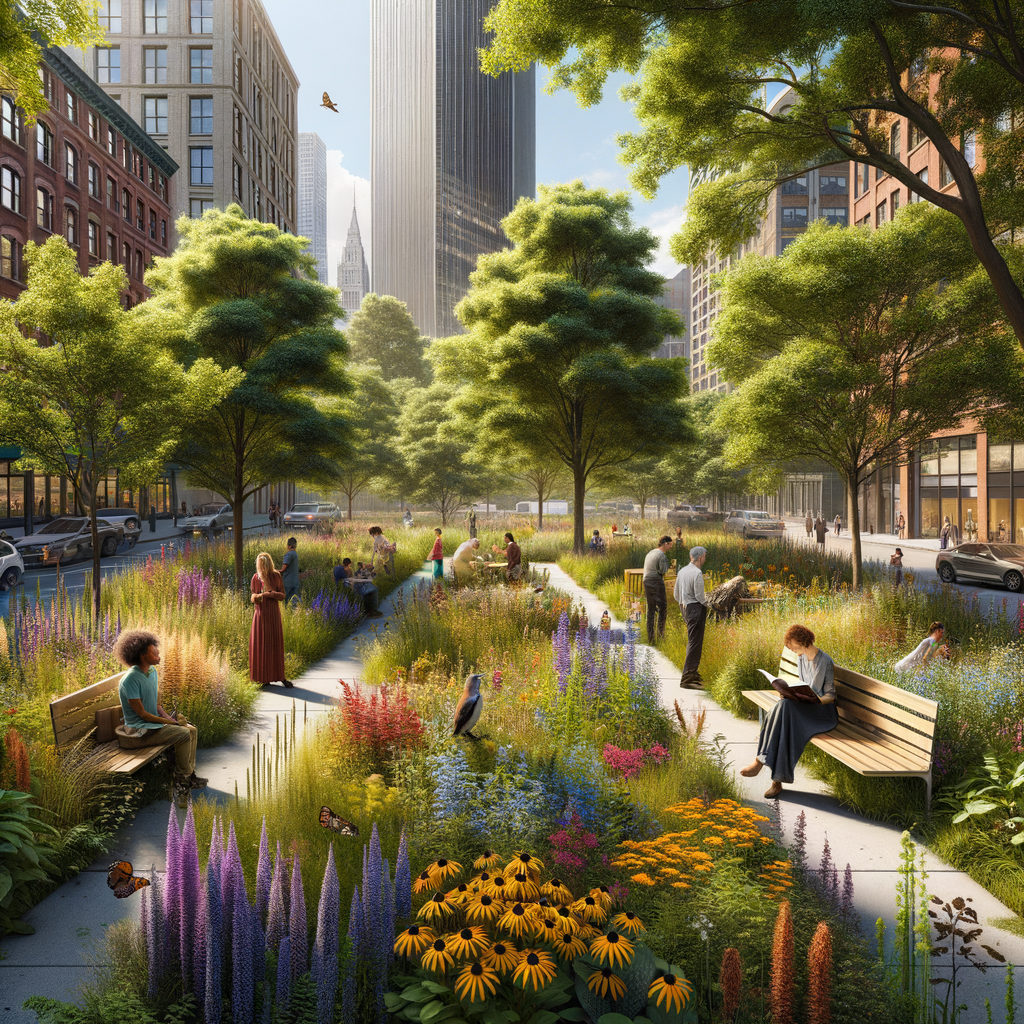
Urban habitat pocket parks are small green spaces thoughtfully designed to support native plants and wildlife within city environments. Unlike large city parks, these pocket parks fit into tiny unused or underutilized spaces—vacant lots, street corners, or small patches along sidewalks. They serve as oases for urban wildlife, from songbirds and bees to butterflies and small mammals.
I see pocket parks as powerful tools for restoration. They reconnect fragmented habitats, provide food and shelter, and help clean the air and water even in the densest city blocks.
Why Focus on Urban Pocket Parks?
You might ask why we need restoration in cities when there are parks and green spaces already. The answer is that many urban areas suffer from habitat loss, pollution, and a lack of native vegetation. Large natural spaces are few and far between in cities. Without smaller habitats scattered throughout, wildlife finds it hard to survive or move safely from one area to another.
Pocket parks fill these gaps. Think of them as stepping stones connecting wildlife corridors or safe stops for pollinators on their routes. They can also reduce the urban heat island effect, support mental health by bringing nature close to residents, and improve community well-being.
How I Approach Creating Urban Habitat Pocket Parks
There is no one formula for every urban restoration project, but my process typically includes these key steps:
1. Understanding the Site
Before planting a single seed, I examine the site closely. What was this space once like? Which native species thrived here before urban development? What challenges does the site face today—soil contamination, shade from buildings, or foot traffic? These insights help design a space that will work long-term.
2. Engaging the Community
A pocket park in a city belongs not just to nature but also to the people living nearby. I collaborate with local residents, businesses, and organizations to understand their needs and ensure the park fits into their daily lives. This engagement boosts stewardship and helps the park thrive.
3. Removing Barriers to Growth
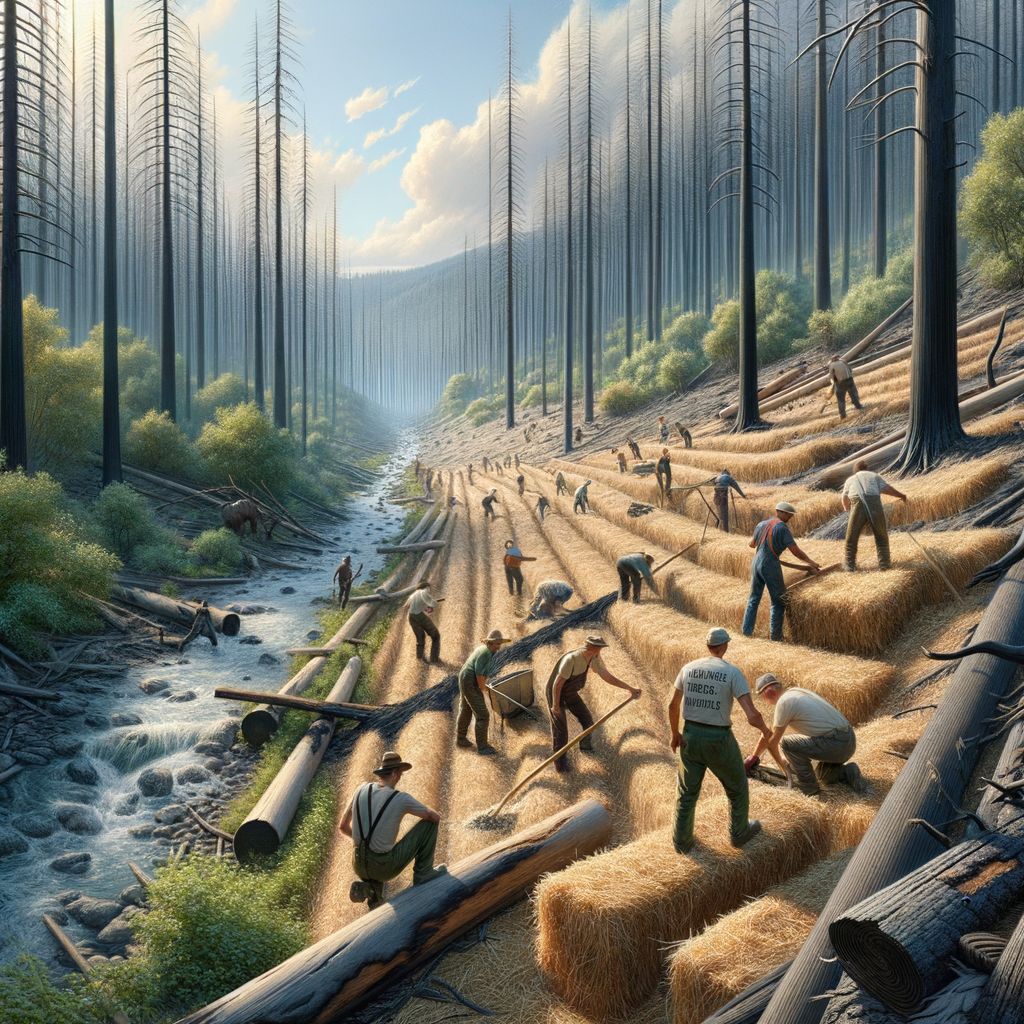
Often invasive plants, litter, or damaged soil block native species from establishing. Clearing out these obstacles is essential to create fertile ground for native plants.
4. Planting Native Species
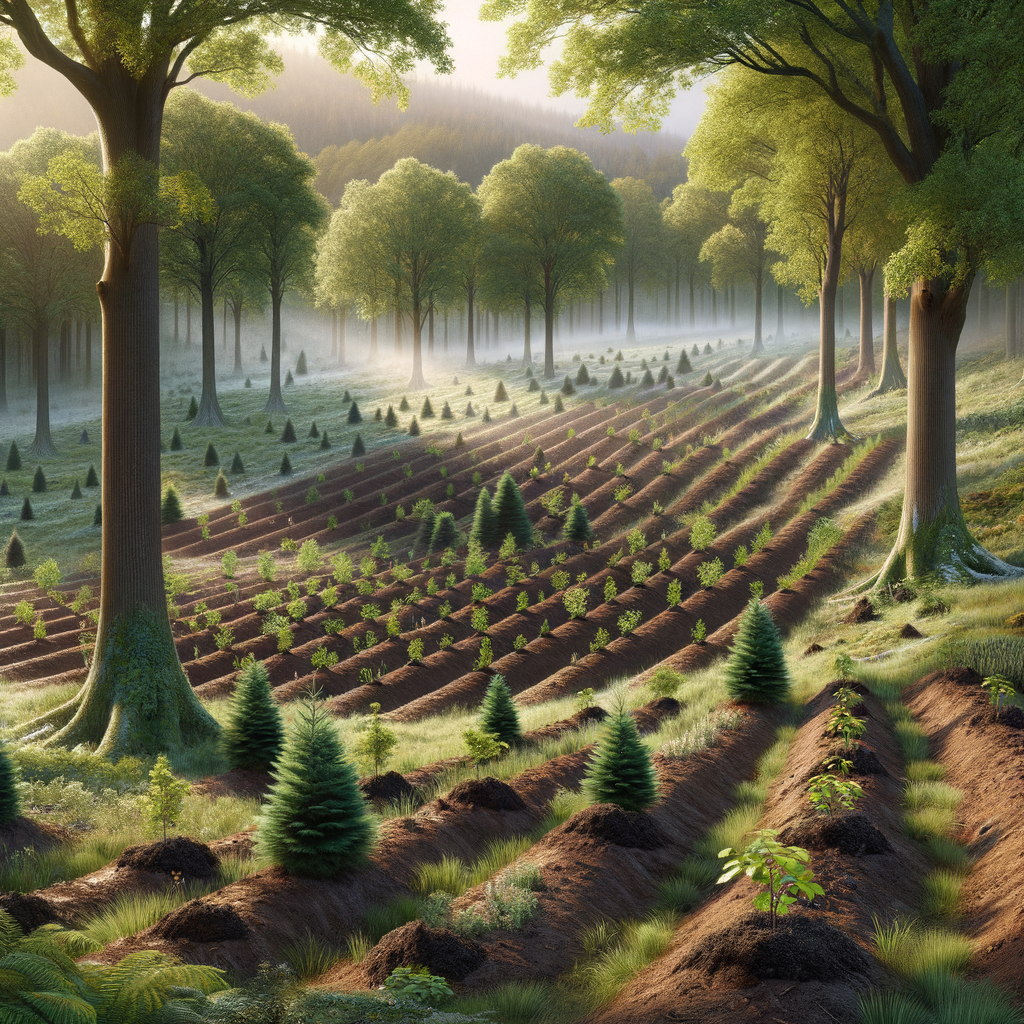
Selecting local trees, shrubs, and flowers adapted to the environment is critical. Native plants require less water, resist pests better, and provide the right food and shelter for local insects and birds. Watching native species take root transforms a simple space into a dynamic ecosystem.
5. Monitoring and Maintenance
Pocket parks need care beyond initial planting. Regular checks for invasive plants, watering during dry spells, and community-led cleanups help maintain the park’s health.
Real-Life Success: A Pocket Park Story
One project close to my heart transformed a neglected street corner in a busy neighborhood into a lively pocket park. The site was plagued by weeds, trash, and hard-packed dirt.
We cleaned the area, planted native wildflowers and small trees, installed bird feeders, and added a bench for visitors. Within months, bees arrived in buzzing swarms and local birds started nesting. Residents told me they felt more connected to nature and to one another. That small patch became a shared treasure, proof of what even tiny spaces can achieve.
Why Urban Pocket Parks Matter Today
Cities are growing and so are challenges like climate change, species loss, and social isolation. Urban pocket parks address all these issues in one package.
They protect biodiversity by providing habitats in the concrete jungle. They mitigate climate impacts by cooling city streets and absorbing rainwater. They offer residents a green escape that lifts mental well-being.
More than that, pocket parks remind us that nature is not separate from our daily lives—it is woven into the fabric of communities, no matter how urban.
How You Can Help Bring Pocket Parks to Life
You don’t have to be an expert or have a vast plot of land to contribute. Here are some ways you can get involved in urban habitat restoration:
- Volunteer with local groups working on pocket park creation or maintenance.
- Advocate for green spaces and native planting initiatives in your neighborhood.
- Support urban conservation organizations with donations or by spreading the word.
- Start your own mini pocket park, even if it is just a few native plants on your balcony or front yard.
Final Reflections
Urban habitat pocket parks are a bright spot in modern cities—small but mighty. Each one breathes life into hardened spaces, supports wildlife, and connects people with nature.
I encourage you to see the potential in every tiny patch of green and perhaps even find joy in helping create or care for a pocket park near you. Together, these small efforts can transform our urban landscapes into vibrant, living communities.
Nature thrives best when given a chance, and urban pocket parks are a hopeful step toward that future.