Soil Preparation For Young Trees Insights for September
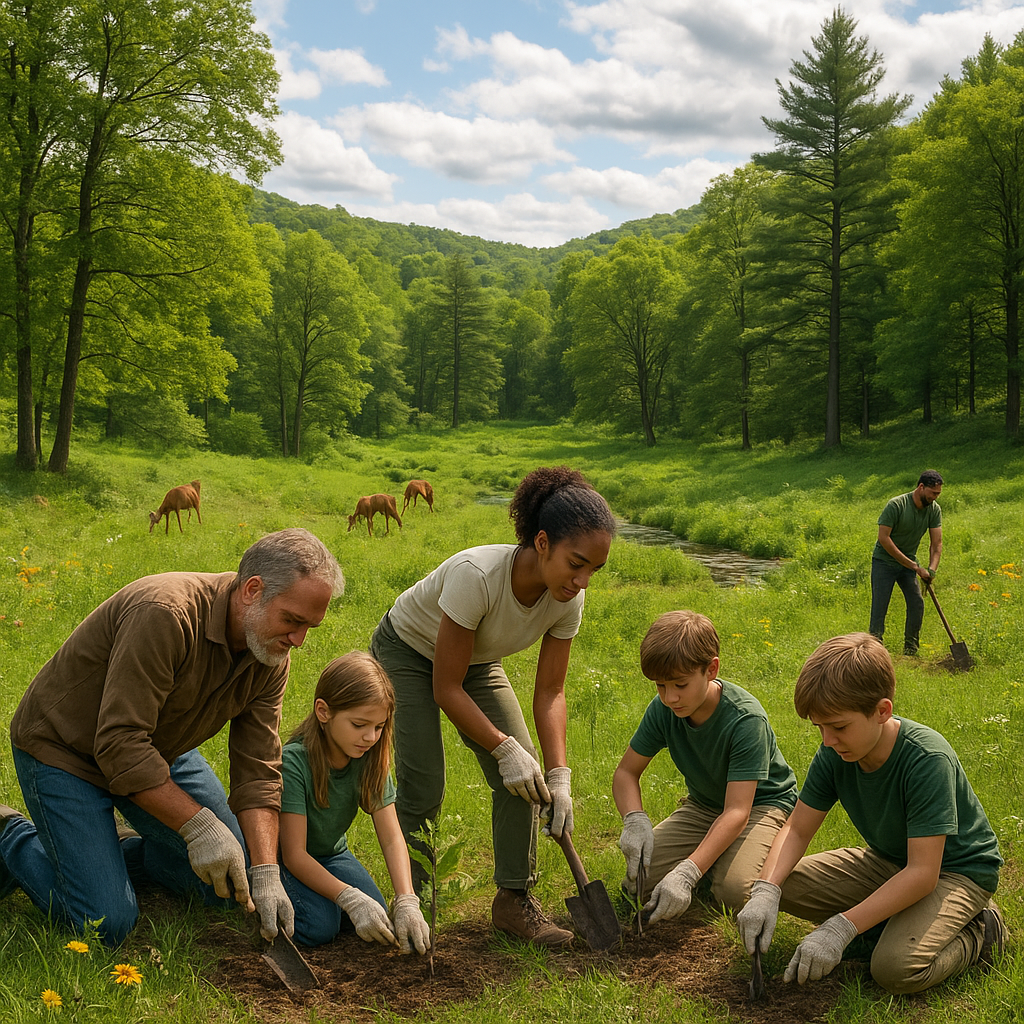
When it comes to planting young trees, one issue stands taller than any other—soil preparation. It is easy to focus on the tree species, planting techniques, or watering schedules, but if the soil beneath is not ready to support growth, all that care might go to waste. Soil is the foundation that holds life, quite literally. This September, I want to share with you what I have learned and observed about preparing soil for young trees, ensuring they get the best possible start.
Why Soil Preparation Matters So Much
You might think soil is just dirt. It’s much more than that. Healthy soil provides nutrients, holds water, and supports a network of tiny organisms essential for tree health. Without the proper soil conditions, even the hardiest seedlings can struggle, lose vigor, or fail outright.
Over the years, I have seen that the success or failure of reforestation or urban tree planting projects often hinges on how well the soil is prepared. Good soil prep increases survival rates, promotes strong root systems, and speeds up growth. It is an investment that pays off handsomely.
Key Steps in Preparing Soil For Young Trees
Soil preparation is not a one-step task. It involves several critical steps. Here’s what I now consider essential before planting:
1. Clear the Planting Area
The first move is removing grass, weeds, and debris from the spot where the tree will go. Competing plants steal water and nutrients from young trees. Clear ground lets roots expand without fighting for resources.
In some cases, especially in areas with invasive weeds, you might need to use targeted herbicides or manual removal well ahead of planting day.
2. Loosen and Aerate the Soil
Compact soil is a massive barrier to root growth. I’ve noticed how soil that has been trampled or heavily used becomes dense and restrictive. Roots need space to grow, as well as oxygen from the air pockets in soil.
Using a shovel, hoe, or even machinery on larger sites, break the soil up to at least a foot deep. This process helps roots push down and sideways more easily.
3. Test and Improve Soil Nutrients
It’s tempting to load soil with fertilizer before planting. However, testing is critical. Different soils have unique nutrient profiles. A simple soil test can tell you if the land lacks nitrogen, phosphorus, potassium, or essential micronutrients.
Once you know what’s missing, you can amend the soil with compost, organic matter, or specific fertilizers. I find incorporating plenty of organic matter improves water retention and creates a richer soil life—all excellent for young tree roots.
4. Adjust Soil pH
Soil acidity or alkalinity can impact nutrient availability dramatically. Most tree species prefer slightly acidic to neutral pH. If the soil is too acidic or alkaline, adding lime or sulfur can help balance it.
Testing soil pH is part of the soil test, and what you do afterward depends on the results. This step might seem technical, but it makes a big difference.
5. Prepare the Planting Hole Correctly
When digging the hole, avoid making it too narrow or deep. Ideally, the hole should be two to three times wider than the root ball but only as deep as the roots or slightly shallower to prevent settling.
I always loosen the walls of the hole because firm edges can restrict roots. For clay-heavy soils, mixing the excavated soil with organic matter before backfilling helps roots penetrate and reduces pooling of water.
Seasonal Tips for September Planting
I find September an excellent month for planting in many regions. The weather starts to cool down, reducing stress on trees, and autumn rains often help seedlings establish. When preparing soil this time of year, keep in mind:
- Soil moisture is generally higher, but drainage still matters. Avoid planting in heavy waterlogged soils.
- Organic amendments added now will have time to integrate before winter.
- Preparing soil early in the month means trees go into the ground just before consistent cooler weather.
Common Soil Preparation Challenges and How to Handle Them
Even with good intentions and labor, soil can throw curveballs:
- Clay Soils: Dense and poorly drained. I recommend adding coarse sand and copious organic matter to improve texture.
- Sandy Soils: Drain quickly but hold fewer nutrients. Frequent incorporation of compost or organic matter helps retain moisture and nutrients.
- Compacted Sites: Sometimes heavy machinery compacts soil to the point that simple tilling isn't enough. In such cases, subsoiling or deep ripping is necessary.
- Poor Soil Biology: Soil that has been farmed or polluted might lack beneficial microbes. Adding compost or inoculants can kickstart a healthy ecosystem.
Final Thoughts: Soil Sets the Stage for Tree Success
No matter how advanced planting techniques become or how carefully you water, poor soil preparation will limit young trees. Conversely, spending effort and attention on the soil pays dividends for years, helping establish strong, resilient trees that grow tall and provide benefits for decades.
If you’re motivated to plant trees this season or supporting a reforestation project, put soil prep at the top of your checklist. Take the time to clear, loosen, test, and amend your soil. Your future forests will thank you.
Thanks for reading. Let’s roll up our sleeves and get soil-ready this September—because every great tree story starts with healthy ground beneath.
If you want to share your soil prep tips or ask questions, I’d love to hear from you. Let’s keep this conversation growing!