Soil Preparation For Young Trees Insights for February
When it comes to growing healthy young trees, soil preparation is absolutely critical. Without good soil, even the best seedlings struggle to survive. As someone who has worked closely with reforestation projects over the years, I can confidently say that soil is the foundation of any successful tree planting effort.
February offers a perfect opportunity to focus on soil preparation. The ground is still cool, moisture levels are often favorable, and you can get a jump start before spring growth bursts forth. Let me share key insights and practical tips to prepare soil that truly supports young trees.
Why Soil Preparation Matters
Imagine planting young trees in poor soil—compacted, lacking nutrients, or full of competing vegetation. The seedlings face uphill battles for water, air, and nutrients. That means slow growth, higher mortality, and wasted time and resources.
Good soil preparation ensures:
- Proper drainage and aeration for roots to breathe
- A fertile environment with essential nutrients available
- Removal of weeds and grasses that compete for resources
- Improved soil structure for water retention and root expansion
In short, it sets the stage so trees can establish strong roots, resist stress, and thrive long term.
Assessing Your Soil Before Starting
Before any preparation begins, start with a soil assessment. Testing soil texture, pH, nutrient levels, and organic matter content guides what amendments or treatments are necessary. For example, acidic soils may require lime; sandy soils may need organic compost to improve moisture retention.
I’ve seen projects falter because they skipped this step. Knowing your soil's strengths and weaknesses helps tailor the preparation plan for maximum effect.
Step-By-Step Soil Preparation for Young Trees
1. Clear Existing Vegetation
Before planting, clear the planting sites from grasses, weeds, or brush. This reduces competition and keeps young trees from being smothered or robbed of moisture. I recommend manual clearing or using mulching tools to avoid damaging the soil.
2. Loosen and Aerate the Soil
Compacted soil is a major enemy of root growth. Using tools like spades, rakes, or even machinery if scale permits, loosen the top layers. This creates room for roots to expand and improves water infiltration.
Pay special attention to hardpan layers or rocky spots and break them up if possible. It can make a dramatic difference in survival rates.
3. Incorporate Organic Matter and Nutrients
Adding organic matter like compost or well-rotted manure enriches the soil with nutrients and improves texture. It also enhances moisture holding capacity, essential for dry spells.
Depending on your soil test, you might also need to add fertilizers rich in nitrogen, phosphorus, or potassium. But be careful not to over-fertilize, which can harm seedlings.
4. Check Soil pH
Healthy trees thrive within specific pH ranges, typically between 6 and 7 for many species. If your soil is too acidic or alkaline, amending it with lime or sulfur can adjust the pH, making nutrients more available to roots.
5. Level and Prepare Planting Beds
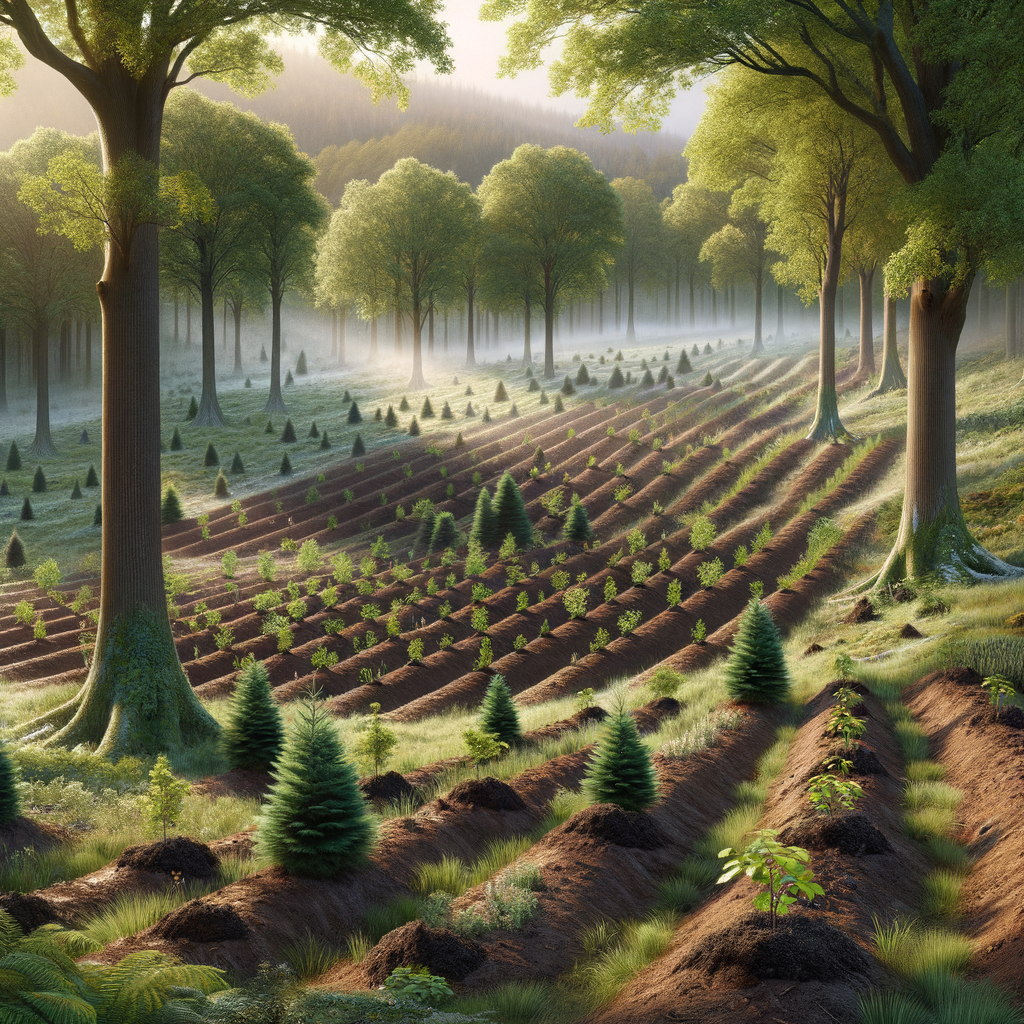
After amendments, level the soil beds and create small mounds or holes suitable for the tree species you’re planting. Proper spacing prevents overcrowding and competition.
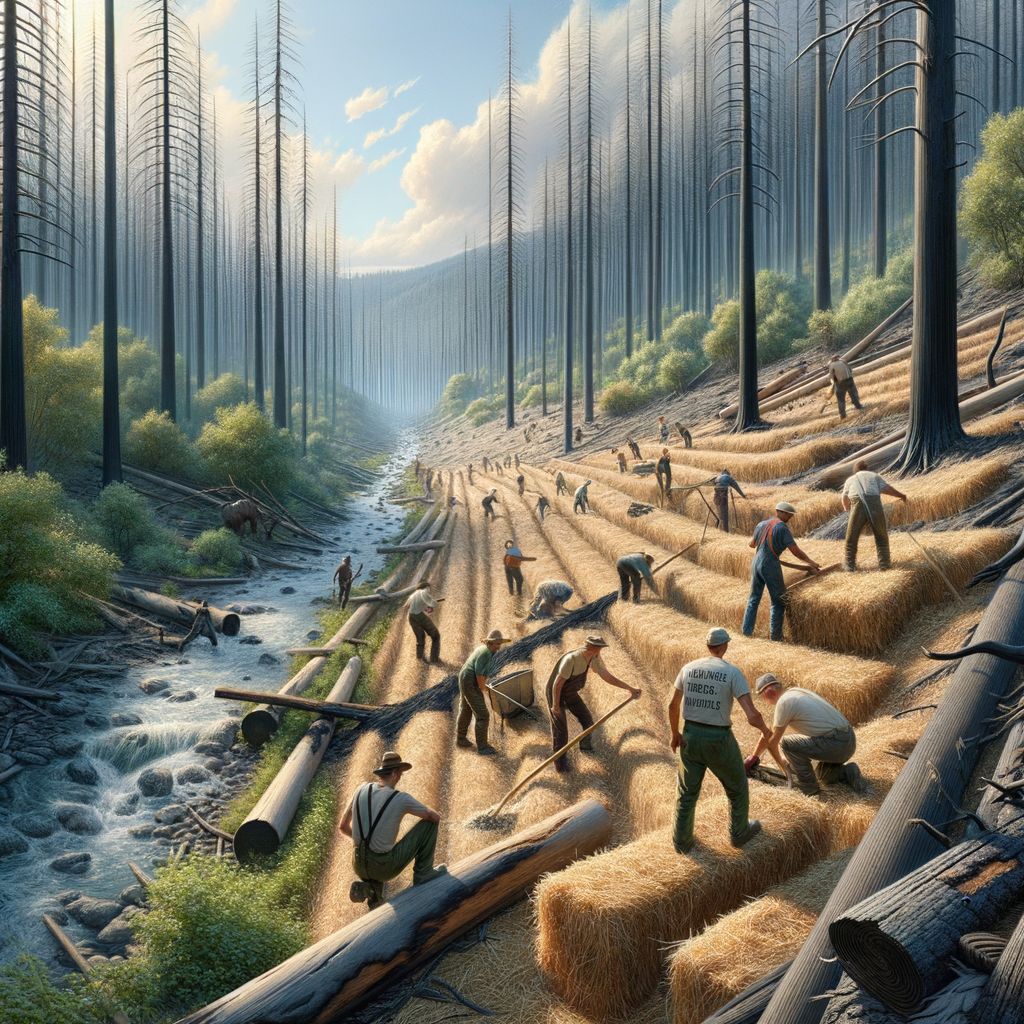
In sloped areas, contouring and terracing can prevent erosion and maximize water absorption. I’ve found simple terraces can save young trees from being washed away during heavy rains.
Additional Tips for Success
- Timing matters: Early planting after soil prep takes advantage of moisture and cooler temperatures.
- Mulching helps: Applying mulch around young trees retains soil moisture and suppresses weed growth.
- Protect from grazing: Fencing or tree shelters prevent animals from damaging seedlings.
- Use local knowledge: Engage with local experts or communities for advice on soil and tree species suited to your area.
Final Thought
Soil preparation might not be the flashiest part of reforestation, but it’s the unsung hero that can make or break your efforts. Taking time in February to properly prepare soil gives young trees the best fighting chance to grow strong and resilient.
If you’re involved in any tree planting, give the soil the attention it deserves. The investments you make now will pay dividends as your forest flourishes for decades to come.
Remember, healthy soil leads to healthy trees—and healthy trees lead to a healthier planet.