Seed Ball Diy For Kids Insights for February
Reforestation may sound like a big, complex mission meant for scientists and professionals. But the truth is, even kids can play a vital role by making seed balls. This simple, fun activity connects children with nature and helps bring life back to damaged lands. In this blog, I want to share everything I have learned about seed ball DIY for kids, how it works, why it matters, and how you can try it yourself.
Why Seed Balls Matter in Reforestation
Before we jump into the how-to, let me explain why seed balls are so powerful. Seed balls are little balls made of seeds wrapped in a mixture of clay and compost. These protect the seeds from birds, insects, and harsh weather until they find a good spot to grow. This technique makes it easier for seeds to survive and sprout, especially in areas where natural growth is slow or fragile.
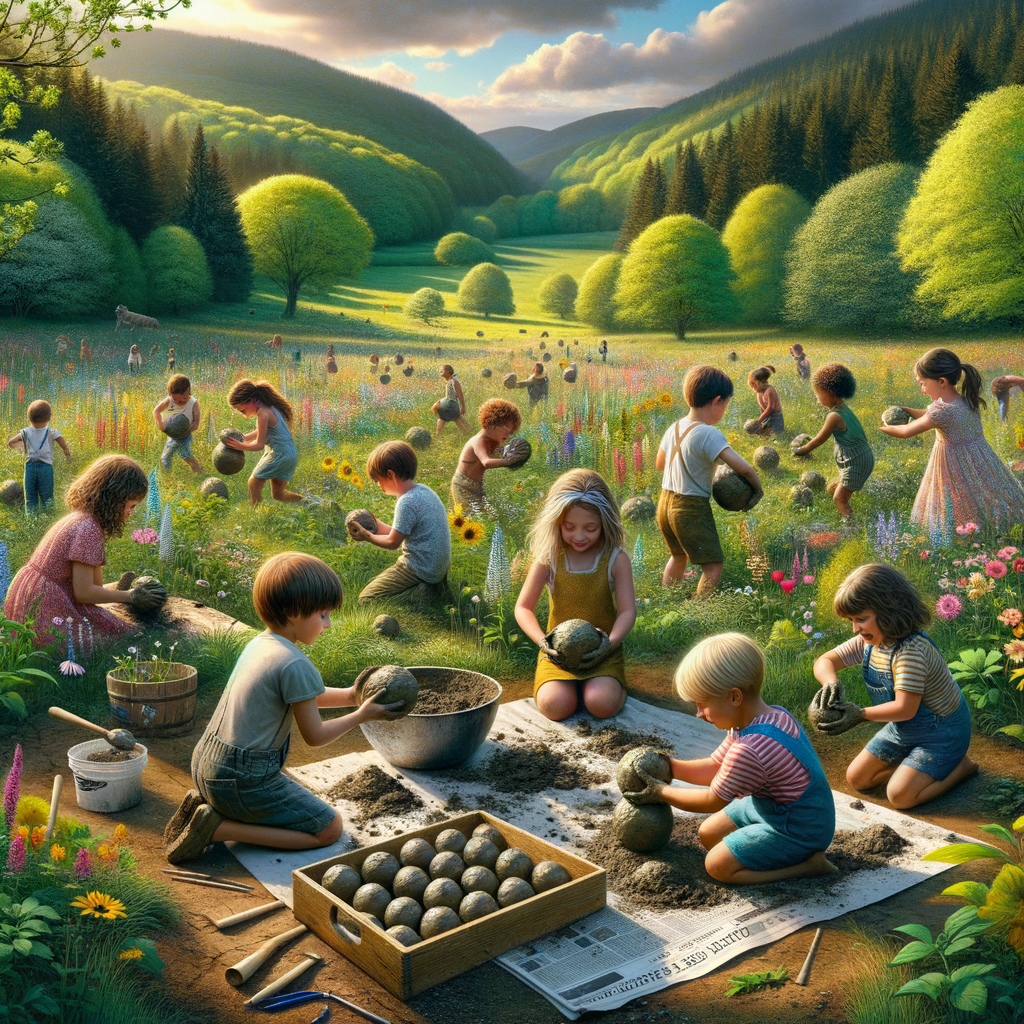
The beauty is that seed balls bring nature’s work into the hands of kids. They are a hands-on way to teach environmental care and inspire future stewards of the earth. I have seen children light up with joy when they toss their seed balls outdoors, imagining the tiny forest they help create.
What You Need for a Seed Ball Project with Kids
Getting started is straightforward. Here’s a quick list of materials for making seed balls:
- Seeds (preferably native plants – flowers, herbs, or small trees)
- Clay powder (unscented, fine)
- Compost or potting soil
- Water
- A mixing bowl
- A tray or newspaper to dry the balls on
Gathering ingredients is as much fun as the process itself. I recommend sourcing native seeds because they are best suited to your local environment and encourage biodiversity.
Step-By-Step Seed Ball DIY Guide for Kids
Making seed balls can be an easy and memorable activity for all ages. Here is my simple method that I have used with groups of children:
- Combine three parts clay powder with one part compost in the mixing bowl. Blend thoroughly.
- Slowly add water little by little until the mixture feels like soft dough – not sticky but moldable.
- Sprinkle seeds evenly into the dough and fold them in gently so they distribute throughout.
- Roll small handfuls of the mixture into balls roughly the size of a large marble or grape.
- Place the seed balls on a tray or newspaper and let them dry completely — this usually takes a day or two.
- Once dry, the seed balls are ready to be scattered in a safe outdoor spot where plants can grow naturally.
Tips for Success: Making It Kid-Friendly and Effective
While the steps are easy, keep a few tips in mind:
- Let kids wear old clothes and use their hands to squish and roll the balls. It’s part of the fun.
- Use clean seeds with a high germination rate for better chances of sprouting.
- Avoid making the balls too wet during mixing. If too wet, they won’t dry well and might mold.
- Show kids how to scatter seed balls gently in open areas that receive sunlight but are protected from heavy foot traffic.
- Be patient. Germination takes time and depends on weather and soil conditions.
The Educational and Environmental Value of Seed Balls
Seed ball making is more than just crafting; it’s an education in ecology and responsibility. Participating children learn about native plants, how seeds grow, and the importance of protecting nature. This hands-on experience builds respect and curiosity, planting the seeds of lifelong environmental care.
On top of that, seed balls help restore ecosystems by promoting natural regeneration. They encourage biodiversity, improve soil health, and contribute to carbon capture. Even small actions add up. From my experience facilitating workshops, each tiny seed ball can be a step towards greener futures.
Personal Reflection: Why I Love Sharing Seed Ball Projects with Kids
There is something magical about watching young hands make and throw seed balls. It connects us all—from the smallest seed to the grand forest canopy. In every project, I witness hope, creativity, and a shared responsibility to care for our planet.
The DIY nature of seed balls fits perfectly with educational settings, community events, or just family fun on weekends. The joy, learning, and positive environmental impact are powerful reminders that reforestation can be simple, inclusive, and rewarding.
Final Thoughts: Ready, Set, Throw!
If you want to inspire kids and contribute to reforestation at the same time, seed balls are a fantastic start. They bring science and play together and create lasting memories that nurture environmental awareness.
Whether you are a parent, teacher, or community leader, gather your materials, invite your kids, and dive into the wonderful world of seed balls. Just imagine the forests those small balls could grow into.
Let us make February a month of green beginnings — one seed ball at a time.
I hope this guide encourages you to try seed ball DIY with kids. Together, we can sow hope and watch it grow.