Seasonal Habitat Monitoring Insights for January
Spending time outdoors, whether hiking through forests or walking along marshy shorelines, always connects me to nature in a powerful way. The chirping of birds, the subtle rustle of deer in the distance, or the splash of a frog diving into a pond—these are the moments that remind us why wildlife habitats matter. But as seasons change, so does the landscape. Monitoring habitats throughout the year, especially in January, is crucial in understanding and protecting these valuable ecosystems.
What Is Seasonal Habitat Monitoring
Seasonal habitat monitoring means observing and recording how wildlife habitats change with the seasons. January ushers in winter in many regions, and this period affects plant life, animal behavior, water quality, and soil conditions. By tracking these seasonal shifts, we get a clearer picture of ecosystem health and how species adapt or struggle during colder months.
This practice goes beyond just passive observation. It requires systematic data collection on factors like temperature, vegetation cover, animal activity, and hydrology. These insights help guide restoration and conservation efforts tailored to the natural rhythm of the environment.
Why January Matters in Habitat Monitoring
January provides a unique snapshot in the annual cycle. With many plants dormant and animals in survival mode or migration, this month reveals stress points that may not be visible during warmer seasons. For example:
- Some habitats might suffer from ice damage or water scarcity.
- Certain bird species pass through or overwinter, making their presence an important indicator.
- Ground conditions reveal erosion or frost impacts that might otherwise go unnoticed.
Monitoring during January allows us to identify threats early and adjust management plans accordingly. It also gives a baseline to compare year-to-year changes influenced by climate shifts or human activity.
My Take on Seasonal Habitat Monitoring
In my experience working on restoration projects, the winter months teach patience and attention to subtle details. One January, while monitoring a riverbank restoration site, I noticed how the bare branches exposed soil erosion risks that heavy snowfall later worsened. It was a clear call to strengthen protective measures.
Seeing how animals alter their movement patterns during January also deepened my appreciation for habitat connectivity. A frog hiding beneath leaf litter or a small bird flocking to a particular tree tells a story about survival strategies worth understanding.
These observations transform restoration efforts from guesswork into informed action. It’s a powerful cycle—observe, learn, apply.
Key Steps to Effective Seasonal Habitat Monitoring in January
To ensure monitoring provides meaningful insights, here are some important steps to follow:
1. Prepare and Plan
Know the site well. Review past data and map the area. Set clear objectives such as tracking species presence or evaluating plant health.
2. Use the Right Tools
Equip yourself with thermometers, cameras, GPS, and notebooks. Digital tools can speed recording and improve accuracy.
3. Observe and Record Data
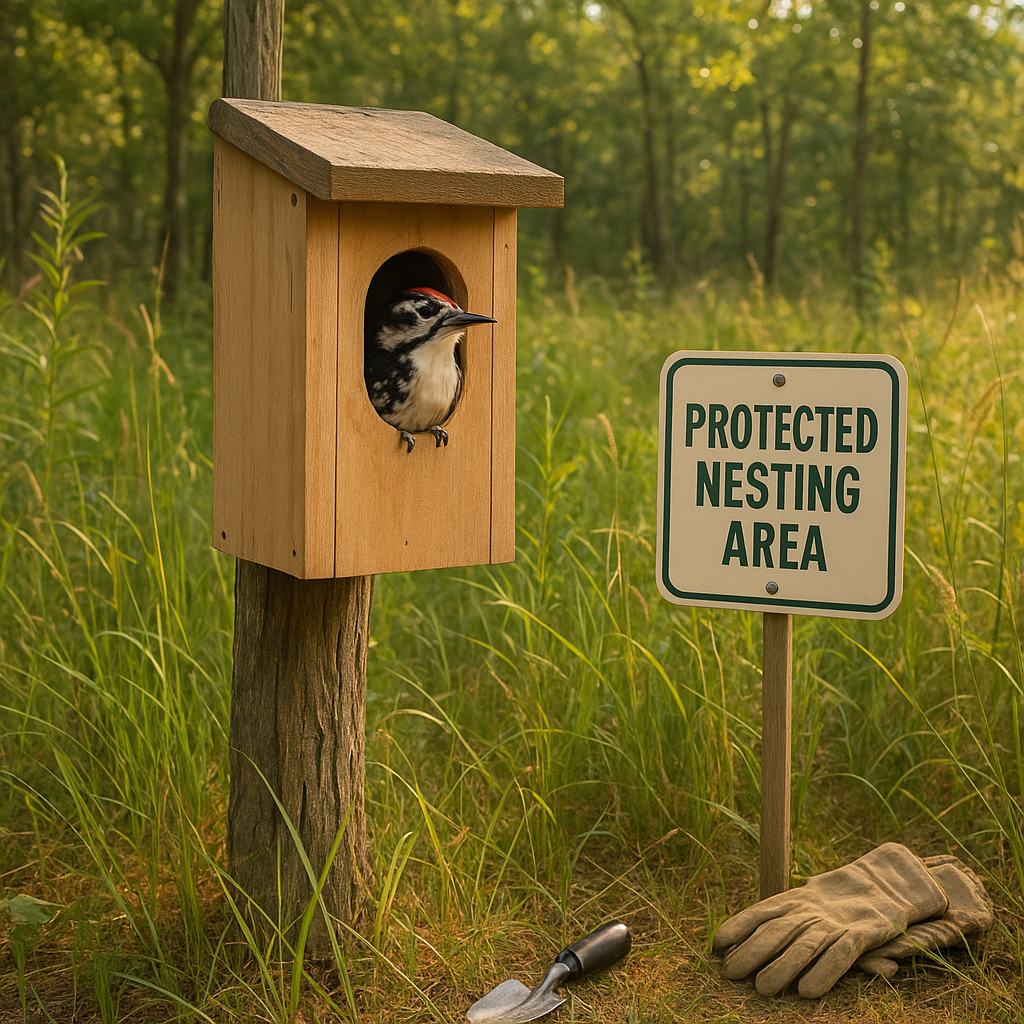
Focus on wildlife signs like tracks or nests, vegetation changes including plant dieback, and water conditions such as ice formation or flow rates.
4. Analyze and Compare
Use the collected data to spot trends or anomalies. Comparing January data with other months can highlight seasonal impacts and long-term changes.
5. Engage Community and Stakeholders
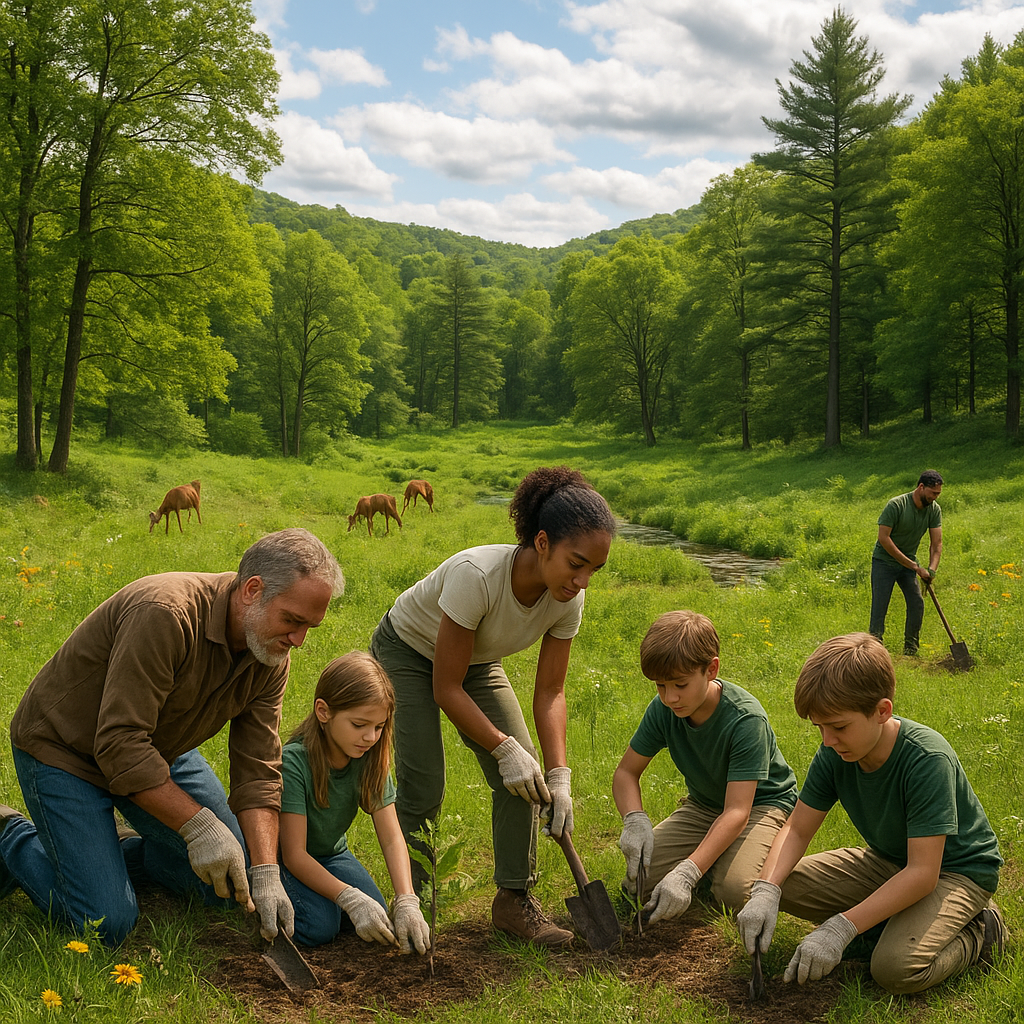
Involve local residents, volunteers, and experts in observations. Their participation builds stronger stewardship and enhances data quality.
Challenges to Be Aware Of
Monitoring habitats in January isn’t without hurdles. Harsh weather can restrict access and make data collection tricky. Some species may be less visible, requiring skill and patience to detect signs.
Additionally, funding for seasonal monitoring can be limited since results may take time to influence restoration decisions. That said, persistence pays off. The insights gained during winter months often reveal threats and opportunities that go unnoticed otherwise.
How You Can Support Seasonal Habitat Monitoring
You don’t need specialized training to make a difference. Here’s how anyone can contribute:
- Join local habitat monitoring or citizen science programs.
- Share observations on nature apps or community forums.
- Learn to identify native plants and animals common in winter.
- Encourage schools and groups to integrate seasonal monitoring projects.
- Advocate for funding and policies that support ongoing habitat assessments.
Every piece of data adds to a bigger picture helping protect habitats throughout the year.
Final Thoughts on January Habitat Monitoring
Seasonal habitat monitoring, especially in January, is a vital part of responsible ecosystem management. It reveals vulnerabilities and resilience hidden beneath the quiet winter landscape. For me, this practice embodies a commitment to stewardship—a way to listen carefully to nature’s signals across time.
By embracing seasonal changes and tracking habitat health through each month, we open doors to more effective restoration and conservation. If you feel inspired to join in or start your own monitoring journey this January, remember that even small observations can spark meaningful change.
Let us care deeply and observe closely. In doing so, we help ensure that wildlife habitats endure, thrive, and continue to enrich our lives and those of future generations.