School-Yard Forest Clubs Insights for June
When I first got involved with school-yard forest clubs, I had no idea just how powerful community engagement and education could be—not just for the kids, but for teachers, parents, and entire neighborhoods. Over time, it became clear that these two elements are deeply connected. Together, they spark curiosity, build strong ties, and inspire real, positive change in the community.
What School-Yard Forest Clubs Are All About
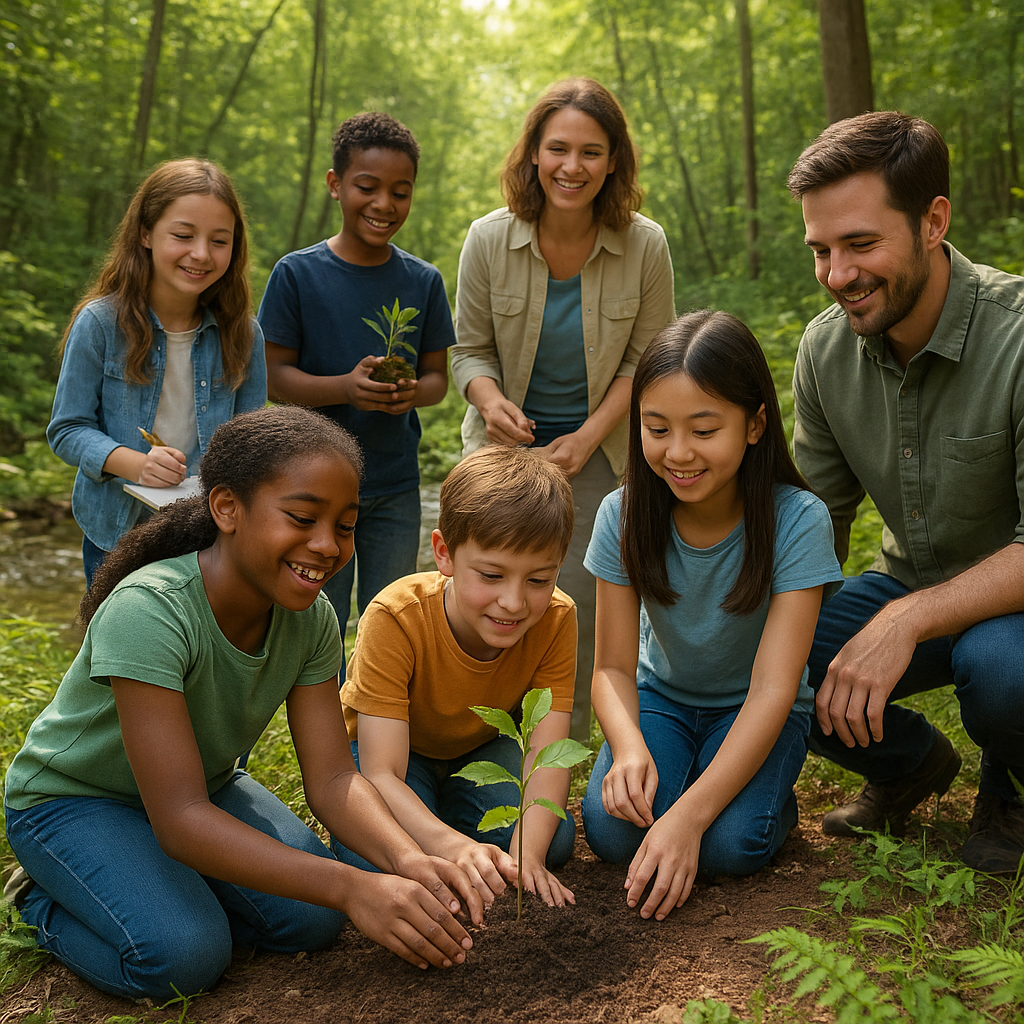
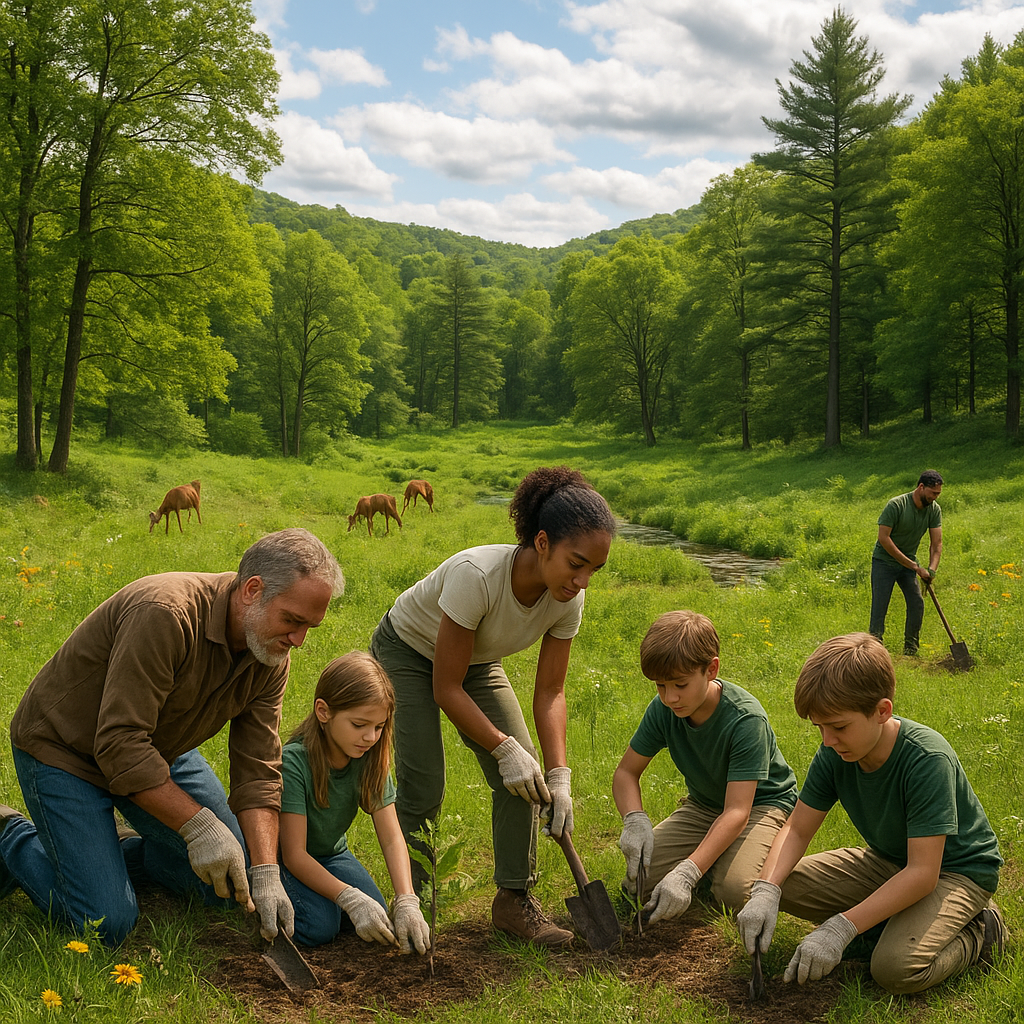
School-yard forest clubs are more than a fun way to explore nature during recess. They bring students outdoors, hands deep in soil and leaves, learning about ecosystems firsthand. But the magic happens when everyone—from students to teachers and local residents—gets involved. It moves beyond classrooms and textbooks. It’s active participation.
True community engagement here means listening to the kids and their families, respecting their experiences, and working together to create a space that everyone feels connected to. It’s not about adults deciding everything top-down. Instead, it’s about building something together, step by step.
The payoff? Stronger bonds in the neighborhood, pride over a shared green space, and kids who understand their environment on a personal level.
Why Education Makes These Clubs Sustainable
Education in school-yard forest clubs isn’t confined to lessons inside the classroom. It is about equipping kids with knowledge about nature that they can apply immediately and carry with them for life. When children understand the reasons behind planting certain trees or the roles of insects in their school-yard forest, they become more than just participants. They become stewards of that patch of earth.
I recall a moment when a group of students asked detailed questions about native plants after a workshop. That curiosity sparked their own research projects and inspired them to start seed-saving efforts. Education filled knowledge gaps and set off a ripple effect of enthusiasm and responsibility. The club transformed from a simple after-school activity into a movement driven by empowered young leaders.
How Engagement and Education Work Hand in Hand
When student engagement meets meaningful education, the results are powerful. Here’s how it unfolds in school-yard forest clubs:
- Engagement uncovers what interests the kids and community.
- Education provides relevant facts and skills tailored to those interests.
- Informed students participate with greater confidence and drive.
- Their feedback shapes the club’s activities and future learning.
This ongoing loop adapts to the students’ changing ideas and outside factors like seasons or school schedules. It builds resilience and keeps motivation high year after year.
Success Stories That Keep Me Inspired
In one school, the forest club started as a small group of eco-curious students. Instead of rushing to plant trees, educators introduced sessions on local wildlife, soil health, and history. Students quickly took leadership roles, organizing monthly cleanups and hosting nature talks for their classmates. The initiative even drew in parents and local volunteers who offered gardening tips or helped fundraise for tools.
Another time, combining outdoor exploration with lessons on nutrition and healthy habits led to a noticeable shift in how kids approached their lunches and snacks. The club’s emphasis on hands-on learning helped turn theory into everyday choices.
These real-life examples show how community engagement and education in school-yard forest clubs feed each other and grow a lasting passion for nature.
Overcoming Barriers Along the Way
Every project hits some roadblocks. Here’s what school-yard forest clubs may face:
- Skepticism or lack of interest: Kids and parents might not see the value right away. Showing up regularly and being genuine helps build trust.
- Language or cultural differences: Making lessons relatable by using stories, visuals, and local leaders who connect with families bridges gaps.
- Limited time and resources: Partnering with local organizations, recruiting volunteers, and using creative fundraising can stretch what’s available.
Through these challenges, I’ve learned that patience, openness, and authentic connection matter most. No substitute exists for true human relationships.
Tips to Start or Improve Your School-Yard Forest Club
If you want to get involved or make your forest club better, here are some ideas that work:
- Begin with small gatherings outdoors to spark interest.
- Listen carefully to what the kids and community say they want to learn.
- Train student leaders so they can teach peers and inspire others.
- Make education visual and interactive. Use stories, games, and hands-on tasks.
- Be clear about why you do what you do. Transparency builds trust.
- Celebrate every achievement, no matter how small. It fuels energy and excitement.
Final Thoughts: Why I’m Committed to This Work
School-yard forest clubs are more than programs. They are living communities where learning and engagement come alive every day. In a world full of distractions and rapid change, these clubs remind me that real progress grows from people coming together, sharing knowledge, and caring for their environment.
Watching children connect deeply with nature, take leadership, and feel pride in their contributions is endlessly rewarding. It shows the power of community engagement and education in action.
If there’s one takeaway from my experience, it’s this: involve kids and the community genuinely, educate thoughtfully, and watch passion and stewardship flourish.
Have you been part of a school-yard forest club or similar project? I’d love to hear your experiences and what worked or didn’t. Drop a comment below or reach out to keep this important conversation growing.