School-Yard Forest Clubs Insights for February
When I think about school-yard forest clubs, I see more than just kids playing outside. These clubs are small but powerful hubs of community engagement and education where students connect deeply with nature, their peers, and their own potential. In a world increasingly dominated by screens and fast pace, fostering these green spaces right on school grounds reminds us why outdoor learning and hands-on experiences matter more than ever.
What Are School-Yard Forest Clubs?
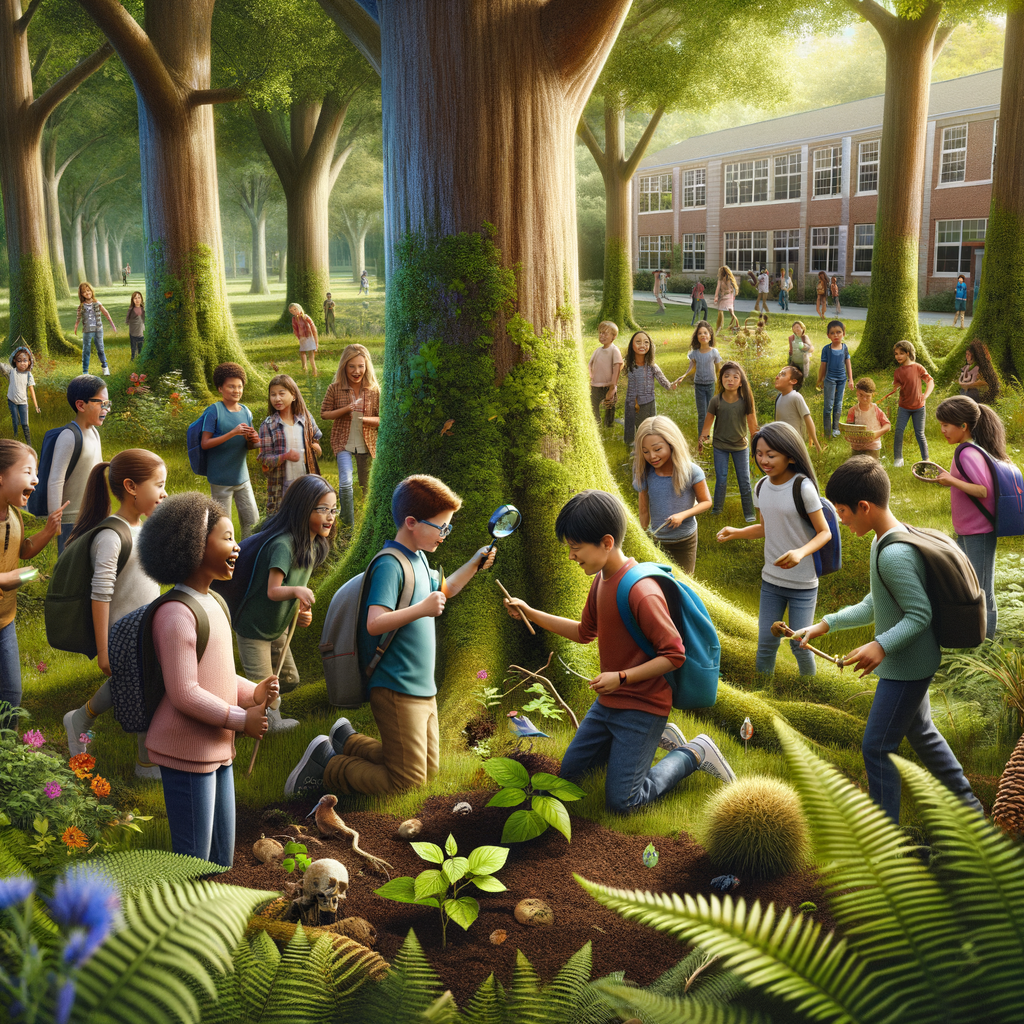
School-yard forest clubs bring together students, teachers, and sometimes parents to nurture mini-forests or natural areas within or near school campuses. These spaces serve as living classrooms—places where children plant trees, explore local wildlife, and learn about ecosystems through direct interaction.
To me, these clubs do so much more than environmental education. They build community by creating shared goals and teamwork. Kids aren´t just observers but active caretakers of their own little forests. It is engagement in its purest form.
Education Beyond the Classroom Walls
Forest clubs offer learning that doesn´t feel like traditional education. Instead of textbooks or lectures, students absorb lessons through exploration and doing. They learn how trees grow, what animals live nearby, and why preserving green spaces matters for future generations.
What excites me is how this kind of education sparks curiosity and ownership. When children see the impact of their planting efforts or notice new insects in the soil, their connection and commitment deepen. It’s a real-world curriculum that teaches science, responsibility, and even social skills.
Forest Clubs as Equalizers
One aspect often overlooked is the social value school-yard forest clubs bring. They invite children from different backgrounds to come together with a common purpose. These clubs can bridge gaps between ages, cultures, and abilities by focusing on shared care for nature.
Providing access to these clubs in underserved schools can be transformative. It gives students opportunities they might otherwise miss—a chance to be outdoors, to lead projects, and to gain practical knowledge about the environment that promotes confidence and inclusion.
How Engagement and Education Go Hand-in-Hand
Successful school-yard forest clubs thrive on a balance of engagement and education. You don´t just show up once and plant some trees; you build relationships, nurture skills, and teach alongside doing.
For example, a workshop on native plants combined with a planting day ties learning directly to action. This approach fosters lasting interest because students see their knowledge in practice and understand their roles as young stewards of the land.
Why Schools and Communities Should Invest
Schools that support forest clubs benefit in many ways beyond the obvious environmental impact. Studies suggest that green spaces on school grounds improve mental health, reduce stress, and encourage physical activity.
Moreover, communities see a ripple effect. Engaged students share their enthusiasm with families and neighbors, inspiring broader environmental awareness. Local governments and businesses have a role too; supporting these clubs can lead to healthier, safer neighborhoods.
Personal Reflections
From my experience helping facilitate forest clubs, patience and persistence are key. Trust and engagement grow slowly but deeply when you respect the community and its rhythms.
I recall one club that focused on seasonal changes and wildlife tracking. Watching students eagerly return each week, comparing notes, and celebrating tiny discoveries was deeply rewarding. These moments proved that education rooted in experience can transform perspectives.
Small wins matter here—every seedling planted, every new learner engaged, and every afternoon spent outdoors moves us toward stronger, more connected communities.
Practical Tips to Boost Your School-Yard Forest Club
If you want to start or grow a forest club, here are some practical steps that have worked well:
- Host hands-on workshops led by local naturalists or educators
- Create a diverse leadership team that includes students, teachers, and community members
- Use social media to share progress but always prioritize face-to-face gatherings
- Provide volunteer slots with meaningful roles to keep participants invested
- Celebrate successes with events showcasing growth and learning
- Collaborate with environmental organizations or local schools for resources and support
Final Thoughts: Growing More Than Trees
School-yard forest clubs are not just about plants and dirt. They are about roots—roots that connect students with their community, with knowledge, and with themselves. These clubs foster kindness, curiosity, and stewardship.
In a time when nature sometimes feels distant, school-yard forest clubs bring it close. They offer hope and a chance to nurture not only young minds but the earth itself.
Start small, keep nurturing, and watch your club—and your community—thrive. The future depends on it, and the rewards go far beyond the schoolyard.