Riparian Buffer Restoration Insights for May
When I first heard about riparian buffer restoration, I have to admit, I wasn’t entirely sure what it involved. I pictured rows of trees planted along a stream, and while that’s part of it, the reality is much richer—and more important. Restoring riparian buffers means repairing the vital green edges along waterways where land and water meet, bringing life back to struggling ecosystems.
What Is Riparian Buffer Restoration
Riparian buffer restoration focuses on rebuilding the natural areas next to rivers, streams, and lakes. These buffers act like nature’s filters. They trap sediment, absorb nutrients from runoff, and provide shade that cools water for fish and amphibians. Beyond that, they create habitat for countless plants, birds, insects, and other wildlife.
Healthy riparian buffers prevent soil erosion and improve water quality. They also store carbon, helping to combat climate change. Many people don’t realize how critical these areas are, not just for wildlife, but for the quality of drinking water and the health of entire watersheds.
Challenges I Have Seen in Riparian Buffer Restoration
Restoring riparian buffers is far from simple. It demands a deep understanding of local plants, hydrology, and soil conditions. Based on my experience at several project sites, here is what stands out as challenging:
- Selecting the right native species that thrive in fluctuating water levels and local soil types.
- Controlling invasive plants that spread aggressively and crowd out native vegetation.
- Managing water flow to avoid both flooding and drying out the buffer zone.
- Engaging with landowners and local communities to ensure ongoing protection and care.
- Balancing restoration goals with agricultural or urban land uses nearby.
Each stretch of river has its own personality. No cookie-cutter solutions here. Restoration requires patience, experimentation, and constant learning.
My Experience Restoring a Riparian Buffer
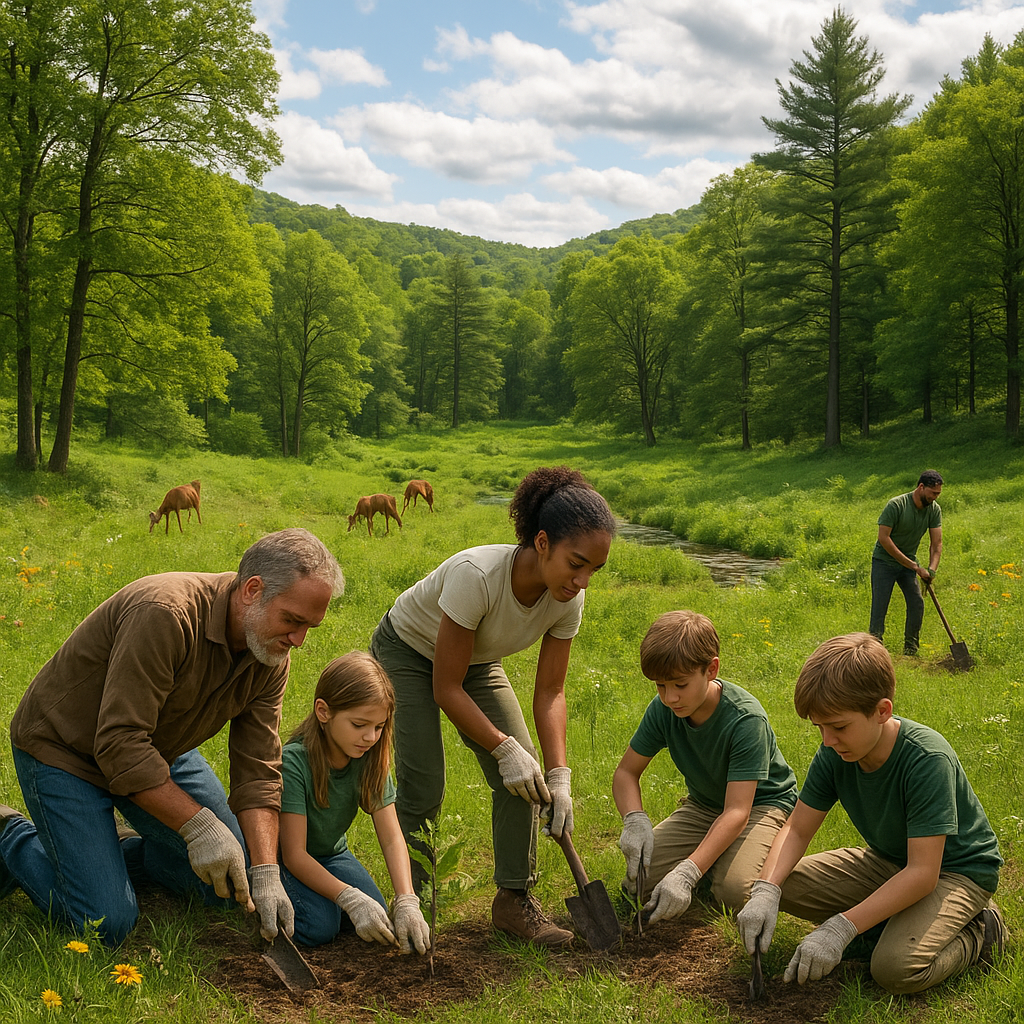
One restoration project lingers with me. It took place alongside a small but vital creek running through farmland that was heavily eroded and polluted. Working alongside farmers, ecologists, and community members, we set out to rebuild a multi-layered buffer.
We removed invasive shrubs and planted a mix of native willows, dogwoods, and grasses. Within a couple of seasons, water clarity improved noticeably, and bird species returned in greater numbers. Even local trout were making a comeback.
What was most rewarding? Seeing landowners take pride in the transformed landscape. They got involved in monitoring, helped control weeds, and felt a deeper connection to the creek that runs through their property. Restoration became a shared success story.
Why Riparian Buffer Restoration Matters More Than Ever
Rapid development, agriculture, and climate change continue to stress freshwater systems worldwide. Riparian buffers act like insurance—absorbing shocks and protecting the fragile interface between land and water.
Restoring these buffers helps tackle multiple environmental challenges at once. It reduces nutrient pollution that can cause algae blooms. It creates corridors for wildlife to move safely. It cools water temperatures threatened by heatwaves. It even helps recharge groundwater supplies.
From an economic standpoint, healthier waterways support fisheries, agriculture, and recreation. Communities enjoy cleaner water and reduced flood risks. Restoration pays off in both ecological and human terms.
How You Can Support Riparian Buffer Restoration
You don’t need to be an expert or own vast lands to contribute. Here are steps anyone can take:
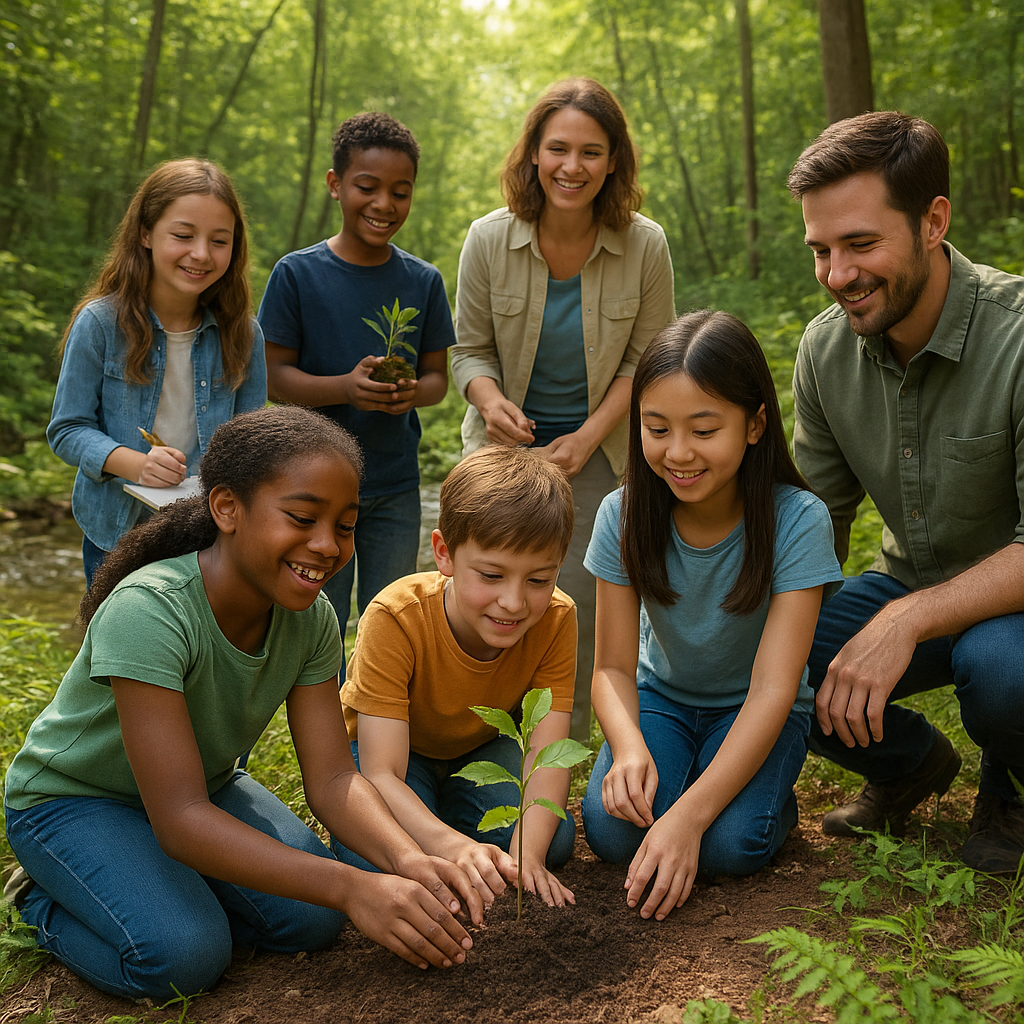
- Plant native trees and shrubs along stream banks in your neighborhood or backyard.
- Volunteer with local restoration groups, helping with planting or invasive species removal.
- Encourage local governments to protect and restore riparian zones through policies.
- Educate friends and neighbors about the importance of buffer zones.
- Reduce pollutants by adopting environmentally friendly lawn and garden practices.
Every small action adds up when thousands care about these natural lifelines.
Looking Ahead: The Future of Riparian Buffer Restoration
The future is promising. Advances in monitoring technology, like drones and satellite imagery, are improving how we track restoration progress. Citizen science initiatives invite community members to contribute valuable data. Restoration techniques continue to evolve based on real-world results.
Yet, the heart of riparian buffer restoration will always be commitment — to observation, patience, and respect for nature’s rhythms. Each restored buffer is a step toward healthier ecosystems and stronger communities.
Reflecting on riparian buffer restoration reminds me that protecting waterways isn’t just an environmental task. It’s about sustaining the delicate threads that connect all life — fish, birds, insects, plants, and people. Taking part in restoration work has been deeply meaningful, grounding me in a shared journey of healing and hope.
Whether you’re an environmental professional, a landowner, or a concerned neighbor, I encourage you to explore how you can help restore and protect riparian buffers. The benefits ripple far beyond the stream banks to entire landscapes and generations ahead. The planet will thank you.