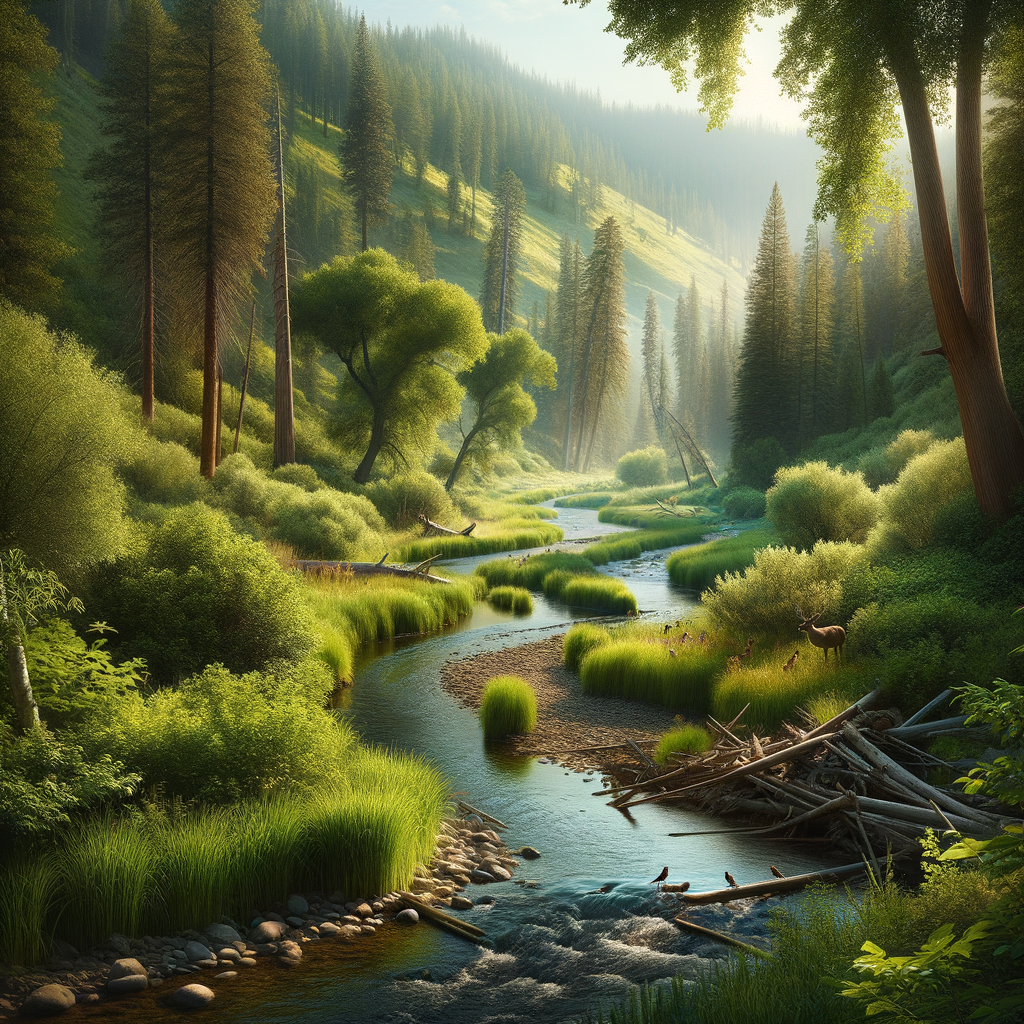
Riparian Buffer Restoration Insights for March
Have you ever strolled along a riverbank, felt the cool breeze, and listened to the gentle rush of water? There is something deeply refreshing about these areas where land meets water. But beneath that peaceful scene often lies damage—streams choked by erosion, banks denuded of vegetation, and habitats struggling to survive. Riparian buffer restoration is the key to bringing these vital natural corridors back to health. It’s a mission that matters now more than ever, and I want to share some insight into why it’s essential, how it works, and what we can all do to support it.
What Is Riparian Buffer Restoration?
At its simplest, riparian buffer restoration means healing and renewing the strips of land that border rivers, streams, and lakes. These buffers, usually rich with trees, shrubs, and grasses, act as natural filters. They protect waterways from pollution, provide homes for wildlife, and keep the ecosystems along water bodies balanced and thriving.
But years of agriculture, urban development, and pollution have stripped away much of this natural armor. Soil erodes into waterways, water quality declines, and animal habitats vanish. Restoring these buffers means replanting native vegetation, stabilizing banks, and designing landscapes that work with nature—not against it.
Why Riparian Buffer Restoration Matters
Sometimes I wonder if people realize just how important these narrow bands of land really are. They are more than just pretty greenspaces. Riparian buffers play major roles in:
- Water Quality Improvement: They trap sediment, nutrients, and pollutants before these harmful substances enter streams and rivers.
- Erosion Control: Plant roots hold soil together, reducing the loss of valuable land and keeping waterways clear and healthy.
- Wildlife Habitat: Birds, fish, insects, and mammals rely on these corridors for shelter, food, and migration routes.
- Flood Mitigation: Vegetated buffers slow down runoff, helping to reduce flood risks downstream.
- Carbon Storage: Like forests, they capture carbon dioxide, contributing to climate change mitigation.
Without buffers, rivers can become lifeless and unstable. Restoring them is a win for both nature and the people who depend on healthy water systems.
How Does Riparian Buffer Restoration Work?
Restoration is not a quick fix. It requires careful observation, planning, and follow-through. From my experience working on restoration projects, here are the main steps involved:
Assessing the Area
First, you need to understand the condition of the existing buffer, if any. This means looking at whether the vegetation is native or invasive, how the soil holds up, patterns of water flow, and signs of erosion. Only with that knowledge can an effective plan be created.
Setting Clear Goals
What is the priority here? Are you focusing on reducing nutrient pollution, improving habitat for a particular fish species, or preventing bank collapse? Goals shape every decision that follows.
Applying Restoration Techniques
Here are some common methods:
- Planting Native Trees and Shrubs: Trees like willows, alders, and cottonwoods are excellent choices because of their deep roots and ability to thrive near water.
- Controlling Invasive Species: Removing plants like Japanese knotweed or buckthorn that crowd out beneficial species.
- Bank Stabilization: Using natural materials such as logs, rocks, and coir mats to hold soil in place.
- Creating Multi-Zoned Buffers: Establishing layers—from herbaceous plants closest to the water, shrubs in the middle, to trees further back—to maximize benefits.
- Enhancing Wildlife Connectivity: Linking habitats so animals can move safely along waterways.
Monitoring and Adapting
Nothing stays static, especially in nature. Continuous monitoring helps track whether plants take root, erosion is controlled, and wildlife returns. If something falls short, restoration methods are adjusted to improve outcomes.
The Challenges Are Real
I won’t sugarcoat it. Riparian restoration faces hurdles. Costs can be high. It takes years to see lasting results. Climate change brings unpredictable weather that can undo progress. And sometimes neighboring land use works against restoration efforts.
But every challenge is also a chance to learn and try better approaches. The slow return of a nesting bird species along a restored stream or the first patch of native wildflowers blooming after years of weeds is reward enough.
How You Can Make a Difference
You might think riparian restoration is just for scientists or landowners. The truth is, everyone can pitch in:
- Support and volunteer with local watershed and conservation groups.
- Plant native species in your yard to help local wildlife.
- Reduce use of fertilizers and pesticides that pollute waterways.
- Advocate for policies that protect natural buffers.
- Participate in community tree plantings or cleanups near streams.
Looking Ahead With Hope
Restoring riparian buffers isn’t just an environmental task—it’s an investment in a healthier, more resilient future. By breathing life back into our riverbanks, we protect water, wildlife, and communities.
Every root planted, every invasive weed removed brings us closer to vibrant ecosystems that support life in remarkable ways. When I walk along a restored stream and feel its gentle pulse of life, I’m reminded that positive change is possible. And that collective effort—yours, mine, and everyone’s—can shape a world worth passing on.
Let’s commit this March to caring for those precious edges where water meets land. Riparian buffer restoration is a quiet guardian of nature’s balance. And it needs all of us.