Rapid-Growth Tree Species Overview Insights for May
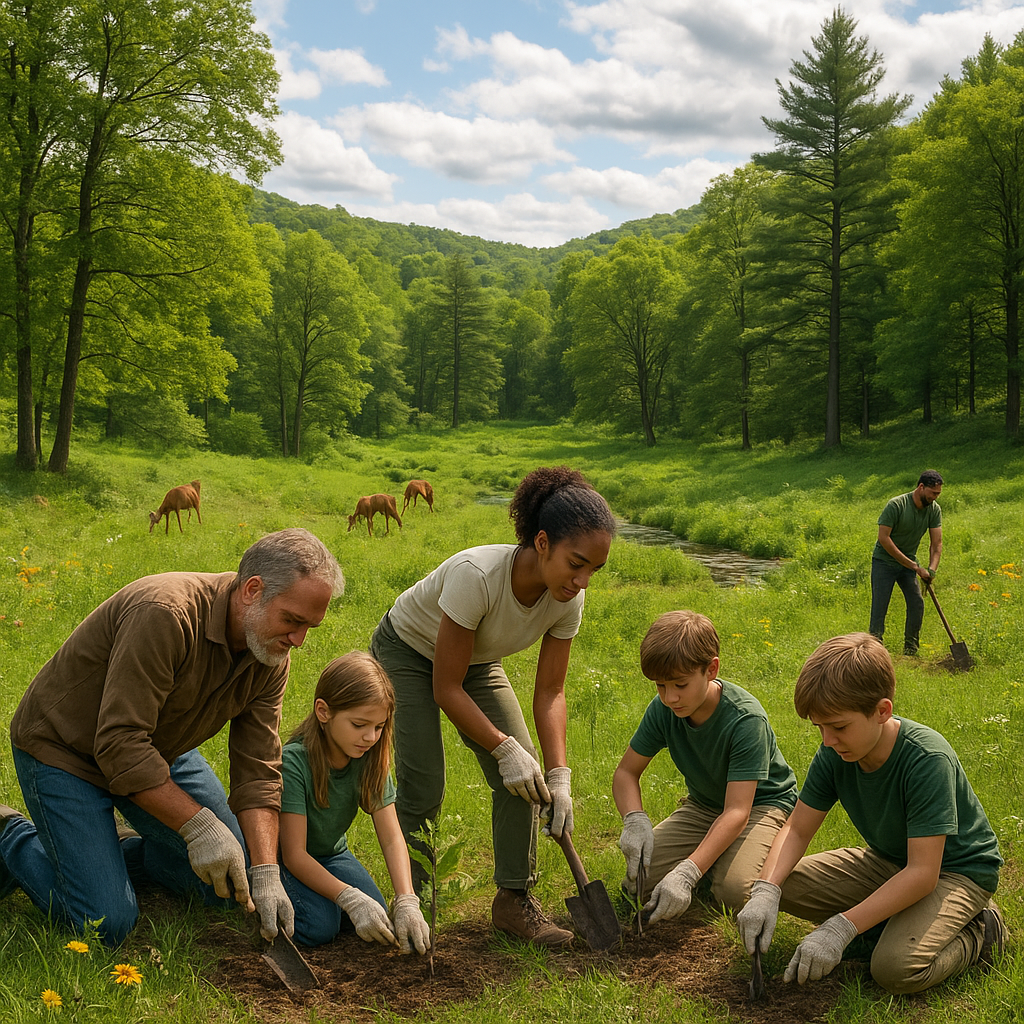
Forests have always captured my attention. There is something truly magical about watching empty land transform into thriving green spaces. But what really excites me now is rapid-growth tree species. These trees offer a unique chance to speed up reforestation efforts and restore ecosystems more quickly and efficiently.
In this post, I will share insights on rapid-growth tree species, their advantages, challenges, and practical considerations. Whether you are a practitioner, landowner, or just passionate about reforestation, understanding these trees can make a real difference in your projects.
Why Rapid-Growth Trees Matter
We need to be clear. Reforestation is urgent. Climate change and deforestation are stripping our planet of valuable forests at an alarming rate. Rapid-growth tree species provide an accelerated path to rebuilding forests, capturing carbon sooner, and creating habitats earlier than slower-growing trees.
These species grow fast, often establishing canopy within a few years and improving soil conditions rapidly. That makes them ideal for areas where quick impact is necessary, such as degraded lands or buffer zones.
But there is more to the story. Fast growth does not always equal success. Selecting the right species requires understanding ecological fit and long-term sustainability.
Key Characteristics of Rapid-Growth Tree Species
Rapid-growth trees share common traits but vary widely depending on region and purpose. Here are the features I consider essential:
- Growth Rate: They typically reach significant height in 5-10 years, much faster than native slow-growing species.
- Adaptability: Should thrive in local climate and soil conditions to avoid failure.
- Low Maintenance: Minimal inputs for watering and fertilization improve practical suitability.
- Ecological Compatibility: Must support local wildlife and avoid invasive tendencies.
- Economic Value: Often provide timber, fuelwood, or other products to encourage sustainable use.
Balancing these traits has been a constant learning curve for me. A well-chosen fast-growing species can kickstart forest recovery, but risks exist if selection is careless.
Popular Rapid-Growth Tree Species by Region
From my field visits and studies, certain species stand out. Below is an overview grouped by broad regional categories.
Tropical Regions
- Acacia mangium: Thrives in poor soils, nitrogen-fixing, great for restoring degraded tropical lands. Grows rapidly, reaching 20 meters within 8 years.
- Eucalyptus spp.: Known for exceptionally fast growth and adaptability. However, they require careful management due to water consumption and allelopathic effects.
- Albizia lebbeck: Provides good shade and soil improvement as a companion species in agroforestry.
Temperate Regions
- Populus spp. (Poplars): One of the fastest-growing trees in temperate zones, used extensively in reforestation and biomass production.
- Salix spp. (Willows): Quickly stabilize soils and grow in wet conditions. Often used along riverbanks.
- Paulownia tomentosa: Fast-growing hardwood valuable for timber, tolerates poor soils.
Arid and Semi-Arid Zones
- Prosopis juliflora: Adapted to dry areas with saline soils; excellent for soil stabilization and biomass.
- Leucaena leucocephala: Nitrogen-fixing and drought tolerant, widely used in agroforestry systems to improve soil fertility.
Challenges and Considerations
Rapid growth is tempting. The idea of quick forest cover appeals to both environmental and economic goals. Yet, I have learned to approach these fast-growing species with caution.
- Invasiveness: Some species, like certain eucalyptus types or acacias, can become invasive, outcompeting native plants.
- Biodiversity Impact: Monocultures of rapid-growth trees can reduce habitat diversity, harming local fauna.
- Soil Depletion: Fast growers may exhaust nutrients quickly, requiring additional interventions.
- Water Use: Some rapid-growers consume large volumes of water, affecting local hydrology.
Understanding these risks means carefully evaluating species choice according to site conditions, restoration goals, and long-term sustainability.
Integrating Rapid-Growth Trees into Reforestation Projects
In my experience, the best results come from combining rapid-growth species with native and slower-growing trees. This approach ensures early canopy and biomass while enhancing diversity and ecosystem resilience.
Here are some strategies that work well:
- Nurse Trees: Plant rapid-growth species to protect and improve microclimates, then underplant with native seedlings.
- Mixture Planting: Blend species with varying growth rates and ecological niches.
- Agroforestry Systems: Use rapid-growers alongside crops or livestock to create multifunctional landscapes.
- Phased Planting: Start with rapid-growers and gradually transition to native forest composition over time.
This blended approach keeps restoration projects both effective and ecologically sound.
Final Thoughts
Rapid-growth tree species offer remarkable opportunities for reforestation. When selected carefully and managed wisely, they can accelerate forest recovery, combat climate change, and support communities.
But rushing can backfire. Every project demands thoughtful planning, ongoing monitoring, and adaptability. The goal is not simply fast growth; it is healthy, diverse forests that last generations.
As we move through May and beyond, I encourage you to look deeper into these species and evaluate their fit for your land and objectives. There is power in speed, but wisdom lies in balance.
If you have experience with rapid-growth trees or questions about species selection, please share. Let’s grow our knowledge together and foster forests that thrive.
🌳 Ready to speed up your reforestation efforts? Start with the right rapid-growth species for your site and keep nurturing them wisely. The earth needs every green step we can take.