Post-Fire Replanting Strategies Insights for May
When a forest fire sweeps through an area, the damage left behind is often staggering. Burned trees, scorched earth, and disrupted ecosystems paint a grim picture of destruction. But beyond the immediate aftermath lies a crucial phase in forest recovery: replanting. This is where hope takes root — literally. In this post, I want to share my insights on effective post-fire replanting strategies that can help heal our forests and ensure they thrive for years to come.
Understanding the Importance of Post-Fire Replanting
After a wildfire, the landscape is fragile and vulnerable. Natural regeneration can occur, but it often needs human support to accelerate growth and restore balance. Without intervention, invasive species may take hold, soil erosion can worsen, and wildlife habitats may remain degraded.
Replanting serves several vital purposes:
- Stabilizing the soil to prevent erosion and flooding.
- Restoring native vegetation to support local wildlife.
- Rebuilding ecological diversity that promotes resilience against future fires.
- Enhancing carbon sequestration, helping in the fight against climate change.
Assessing the Site for Effective Replanting
One of the first steps I take is thoroughly assessing the affected area. Factors such as soil health, moisture levels, and seed banks play a big role in deciding the best approach. Some sites benefit from planting native tree species directly. Others might need preparation, like removing debris and managing invasive plants before replanting.
Proper assessment helps tailor the strategy for each unique site rather than relying on one-size-fits-all solutions. It’s about working with nature, not against it.
Choosing the Right Species Makes All the Difference
Selecting the right trees and plants is more complex than simply replanting whatever grows fast. Native species adapted to the local environment have a much higher chance of survival and positive impact. For example, fire-adapted species such as certain pines and oaks can restore natural cycles and support ecosystem recovery.
I always advocate for diversity in replanting projects. Mixing tree species, shrubs, and grasses provides habitat variety, supports pollinators, and creates a more resilient forest system.
Combining Manual and Technological Methods
Traditional planting methods remain effective. However, technology now enhances efficiency and scale. I have seen drones used to disperse seeds quickly over large and difficult terrain. Remote sensing tools monitor growth and identify areas needing attention post-replanting.
Using technology alongside hands-on management creates a balanced approach — it saves time while ensuring precision and adaptability.
Long-Term Care is Part of the Commitment
Replanting is not just a one-time event. Young saplings and plants require ongoing care — watering, pruning, and protection from pests and disease. I emphasize collaboration with local communities and organizations to maintain these efforts. Ongoing monitoring helps adapt strategies and improve success rates.
Involving Communities to Build Lasting Stewardship
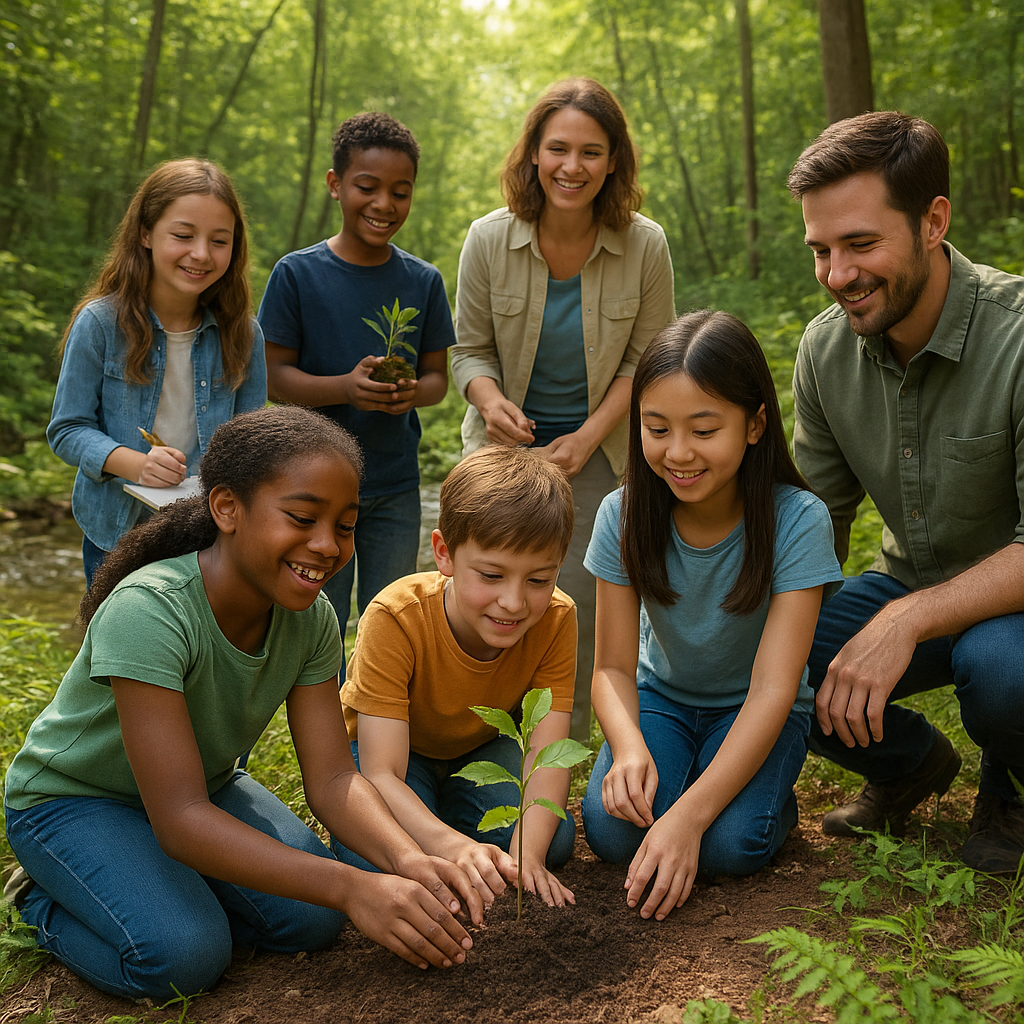
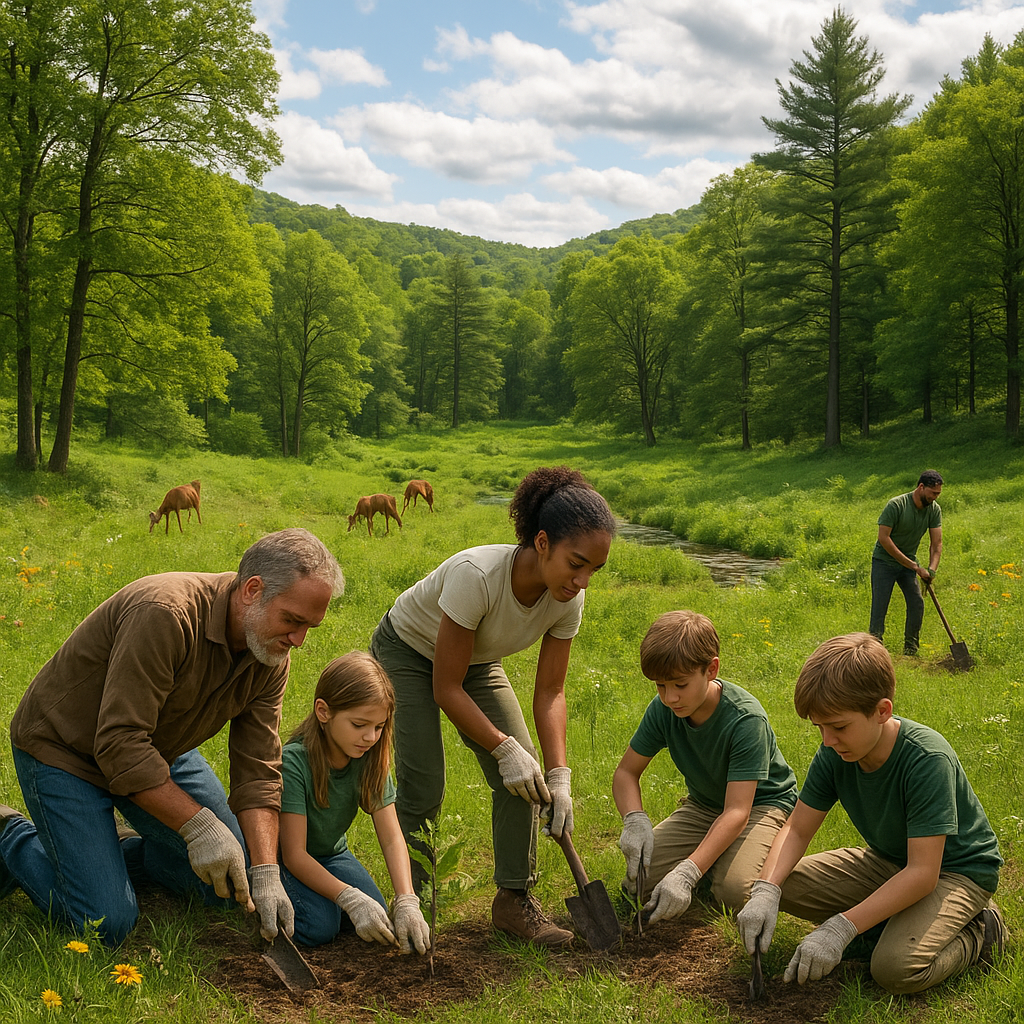
The more people engaged in restoration work, the better the outcomes. Community involvement promotes a shared sense of responsibility and connection to the forest’s future. Educational programs, volunteer planting days, and local decision-making empower people to protect their environment proactively.
I encourage creating opportunities for neighbors and stakeholders to be hands-on in restoration projects. It fosters knowledge, awareness, and long-term stewardship.
Final Thoughts
The aftermath of a forest fire can look bleak. But replanting offers a powerful path to renewal. With thoughtful strategies, respect for the land, and combining traditional wisdom with modern technology, we can help forests come back stronger.
Whether managing a small patch or supporting large-scale efforts, every tree planted, every seed scattered matters. May this month inspire us all to take action in restoring the beauty and life of our precious forests.
Together, let’s plant hope for the future.