Post-Fire Erosion Control Methods Insights for September
Experiencing a forest fire leaves more than just charred trees and ash—it reshapes the very ground beneath our feet. After a wildfire, one urgent challenge is tackling erosion, which can turn vulnerable slopes into hazards for communities and ecosystems alike. Having worked closely with wildfire recovery efforts, I want to share some clear, practical insights about post-fire erosion control. These methods can help protect our precious landscapes and limit the damage that follows in the fire's wake.
Why Post-Fire Erosion Control Matters
Wildfires strip away vegetation that normally anchors soil and slows runoff. When rain arrives, loose soil can wash away, leading to mudslides, sediment-filled waterways, and degraded habitats. The consequences aren't just environmental—they also threaten roads, homes, and drinking water sources.
I have witnessed firsthand how serious this problem can be. After fires in my region, heavy rains turned scorched hillsides into dangerous torrents of debris. That experience underscored for me that fire recovery must focus not just on trees, but on safeguarding the land itself.
Common Post-Fire Erosion Risks
Understanding the factors behind erosion after fire can help us act wisely:
- Loss of Vegetation: No roots means the soil is free to move.
- Hydrophobic Soils: Fires can create water-repellent layers, increasing runoff speeds.
- Steep Slopes: Gravity calls rainwater downhill, accelerating erosion.
- Heavy Rainfall Events: Intense rains can quickly wash away unprotected soil.
Knowing these risks guides the selection of erosion control methods.
Effective Post-Fire Erosion Control Methods
In my work, I have seen several techniques make a real difference. Some are simple enough for anyone to apply, while others involve collaboration with professionals. Here are key strategies:
1. Mulching
Spreading mulch—like straw, wood chips, or shredded bark—over burned soil provides immediate cover. Mulch slows water flow, reduces soil temperature, and encourages seed germination. For emergency erosion control, aerial mulch application can cover large areas fast.
2. Seeding and Revegetation
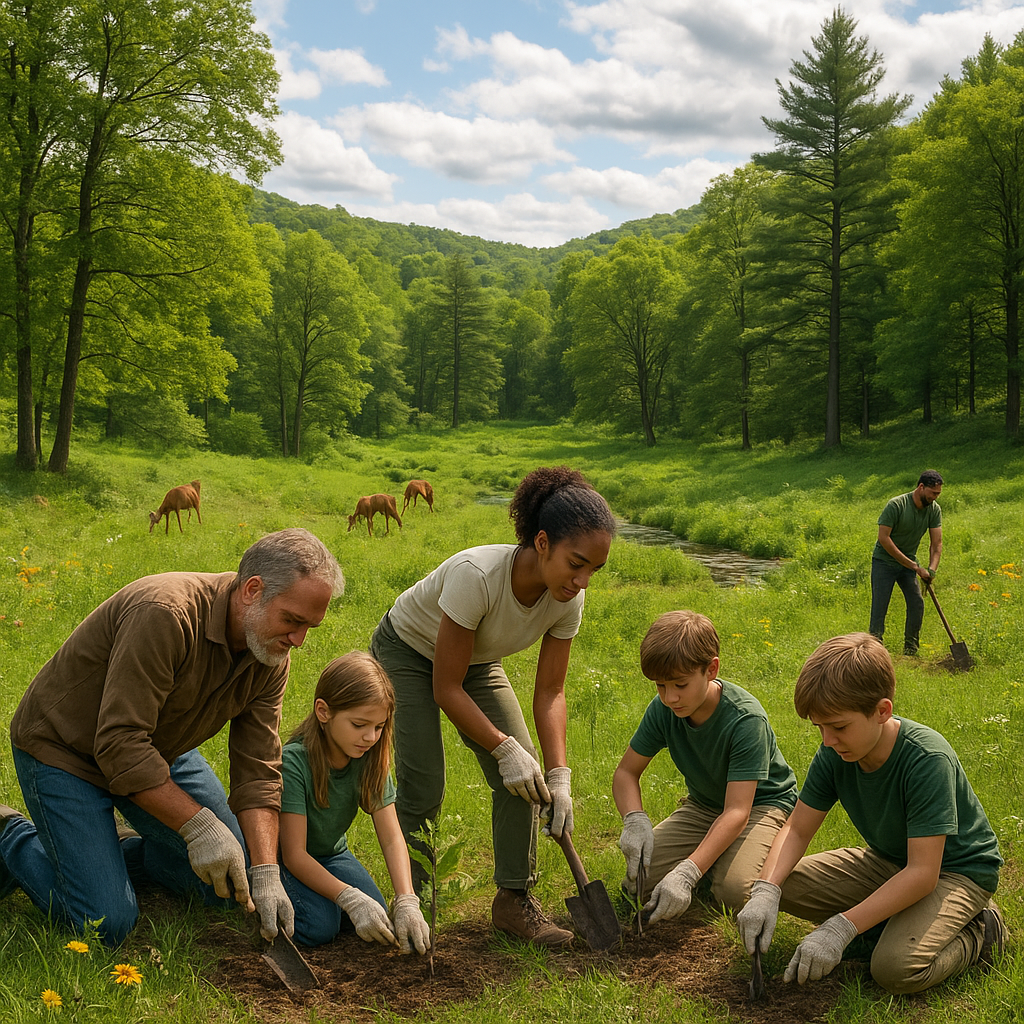
Planting native grasses, shrubs, or trees helps restore ground cover. While it takes time, this method strengthens soil structure long term. My advice is to use seeds suited to the local environment to improve chances of survival.
3. Installing Check Dams
Small barriers made from rocks, logs, or sandbags slow water in channels and gullies. These reduce the force of runoff, trap sediment, and help rebuild soil stability.
4. Contour Log Erosion Barriers
Placing logs along contour lines on slopes diverts and slows water. This technique is low cost, simple, and effective in slowing erosion on steep hillsides.
5. Silt Fences and Wattles
These are temporary barriers positioned to filter sediment and control flow. They are often used around construction sites and can be adapted for post-fire landscapes.
Personal Steps to Support Erosion Control
In addition to large-scale efforts, I have found individual actions matter a lot. Here is what I practice and encourage:
- Avoid hiking or driving in burned areas during rainy seasons to prevent further soil disturbance.
- Follow official guidelines on trail closures or restoration projects.
- Support local fire recovery programs with volunteer work or donations.
Each small action contributes to the bigger goal of land recovery.
Looking Ahead: Integrating Prevention and Recovery
In my view, prevention and post-fire recovery cannot be separated. While stopping fires remains critical, preparing landscapes to handle fire aftermath boosts resilience. Healthy forests with diverse vegetation and good ground cover are less prone to severe erosion.
Technology is stepping up in this area too. Remote sensing and drones help identify erosion hotspots quickly, guiding targeted responses. But ultimately, it’s on us—land managers, communities, and individuals—to take timely, informed action.
Closing Thoughts
Post-fire erosion control is a vital but often overlooked part of wildfire management. The techniques I have shared have proven effective in safeguarding soil, water, and lives. With proper planning and cooperation, we can heal burned lands and reduce risks for the future.
If you find yourself near a recently burned area, remember the power of these interventions. Even simple steps like spreading mulch or planting seeds can transform an eroded hillside into a regenerating ecosystem.
If you have experience or questions about post-fire erosion control, I invite you to share your insights in the comments. Together we gain knowledge and help protect our landscapes.
Keywords: Post-fire erosion control, wildfire recovery, mulching methods, seeding after fire, erosion barriers, soil stabilization, fire-affected landscapes