Post-Fire Erosion Control Methods Insights for June
Forest fires have long-lasting impacts that go beyond the flames. As someone who has witnessed the devastation fire leaves behind, I want to talk today about a critical but often overlooked stage in wildfire recovery—post-fire erosion control. After the fire is out, the damage to soil and vegetation can lead to severe erosion and landslides. Understanding how to manage this risk is essential for restoring landscapes, protecting water quality, and preventing further environmental harm.
Here, I share practical insights and methods I have learned about controlling erosion once a forest fire has swept through an area. Whether you are a landowner, firefighter, or community member, these approaches help minimize the damage and speed up nature’s healing process.
Why Post-Fire Erosion Control Matters So Much
When fire burns through a forest, it destroys the protective plant cover that holds soil in place. The heat can also change the soil structure, creating a water-repellent layer, making it harder for rain to soak in. As a result, heavy rains wash away large amounts of soil, carrying sediment into rivers and streams. This runoff not only reshapes the landscape but also harms water quality by increasing sediment pollution and introducing harmful debris.
Left unmanaged, erosion can cause:
- Landslides and mudflows threatening homes and infrastructure
- Increased flooding risks in nearby communities
- Long-term damage to habitats and aquatic ecosystems
The good news is that with proper control methods, we can drastically reduce these risks and support faster ecological recovery.
Key Post-Fire Erosion Control Techniques
Mulching – Covering Soil with Organic Material
After a fire, spreading mulch over burned soil is one of the most effective ways to prevent erosion. Mulch protects the ground from raindrop impact, improves moisture retention, and encourages new plant growth. Straw, wood chips, and compost are common mulching materials.
I remember participating in a mulching project after a fire season—seeing how quickly the treated slopes stabilized was impressive. Mulching buys time for natural vegetation to regrow and reduces sediment runoff significantly.
Seeding – Replanting to Stabilize the Soil
Seeding is another important method. Spreading native grass or plant seeds helps restore vegetation cover quickly. This not only protects soil from erosion but also supports wildlife returning to the area.
Using fast-growing species in seeding mixes can jump-start the recovery process. Timing is important, so seeding as soon as weather conditions allow maximizes success.
Installing Physical Barriers
In areas at high risk for runoff and landslides, physical barriers such as wattles, silt fences, or erosion control blankets are valuable tools. These devices slow water flow, trap sediment, and protect vulnerable slopes.
In my experience, these barriers require regular inspection and maintenance, especially after storms, to ensure their effectiveness.
Check Dams and Sediment Basins
Building small check dams within gullies and stream channels helps slow down water movement and capture sediment before it reaches larger waterways. Sediment basins serve a similar purpose by holding runoff and allowing particles to settle.
These structures play a critical role in watershed protection and often complement other erosion control techniques.
Steps You Can Take
- If you live in an area affected by wildfire, connect with local natural resource agencies or fire departments to learn about available post-fire support programs.
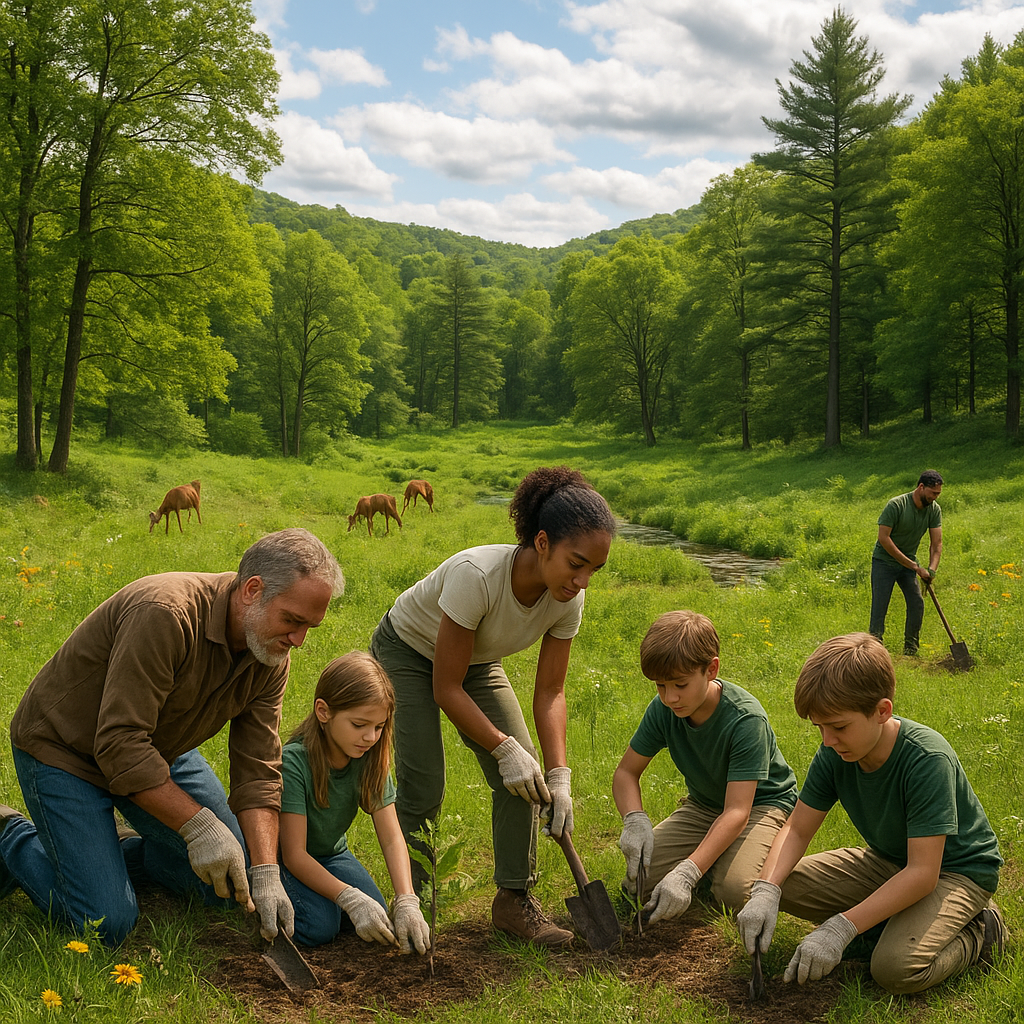
- Consider volunteering for community erosion control projects to aid restoration efforts.
- Stay informed about the best timing and methods for reseeding or mulching in your region.
- Report any dangerous erosion issues or blocked drainage to authorities promptly.
Why Everyone’s Involvement Counts
Controlling erosion after a fire isn’t the job of agencies alone. Landowners, residents, and volunteers all have roles to play. The health of watersheds and the safety of communities depend on reducing erosion and sediment flow after fires. Awareness, timely action, and investment in recovery measures are vital.
Final Thoughts
Wildfires change landscapes in complex ways. Once the flames disappear, the threat of erosion can linger and cause further damage. But with proactive post-fire erosion control methods, we can protect soil, water, and ecosystems. It’s a crucial step that demands attention, resources, and cooperation.
Taking the time to understand and apply these strategies is an investment in the resilience of forests and communities alike. I encourage you to learn more, get involved, and help keep our lands strong long after the fires subside.
Do you have experience with erosion control after a forest fire? Feel free to share your stories or questions below—let’s keep this important conversation going.