Post-Fire Erosion Control Methods Insights for February
Wildfires leave more than just scorched earth. After the flames die down, the landscape faces another threat—erosion. I’ve spent years involved in environmental conservation and fire recovery efforts, and one thing has become clear: tackling post-fire erosion is as crucial as preventing the fires themselves. Why? Because without proper erosion control, the damage compounds, threatening soil health, water quality, and future vegetation.
In this article, I share what I’ve learned about controlling erosion after a wildfire and offer practical approaches you can support or implement. My aim is to provide clear, effective information that empowers individuals and communities to act wisely in the delicate post-fire window.
Why Post-Fire Erosion Control Matters
When a forest fire sweeps through an area, it strips the land of protective vegetation and organic material. Suddenly, soil is left bare and vulnerable. Without roots to anchor it and plants to absorb rainfall, soil washes away easily. Sometimes this erosion is visible as gullies or muddy runoff, other times it seeps silently downhill, carrying nutrients and pollutants into streams and rivers.
Unchecked erosion leads to:
- Loss of fertile topsoil, which hinders natural recovery
- Increased sedimentation in waterways, affecting fish and aquatic life
- Greater risk of flooding and landslides in affected regions
- Long-term hazards for communities living near burned areas
Understanding these consequences shows why addressing erosion after a wildfire is not optional. It’s vital to protect ecosystems and human safety alike.
What I’ve Learned About Post-Fire Erosion Control
In my experience, successful erosion control hinges on timing, techniques, and community involvement. Here are the key lessons I’ve gathered:
1. Time is of the Essence
Erosion starts almost immediately after a fire. The first rainstorms after a wildfire are critical moments. This means that early intervention is crucial. Waiting too long can allow the soil to wash away before any control measures are in place.
2. Mulching Is a Simple, Effective Barrier
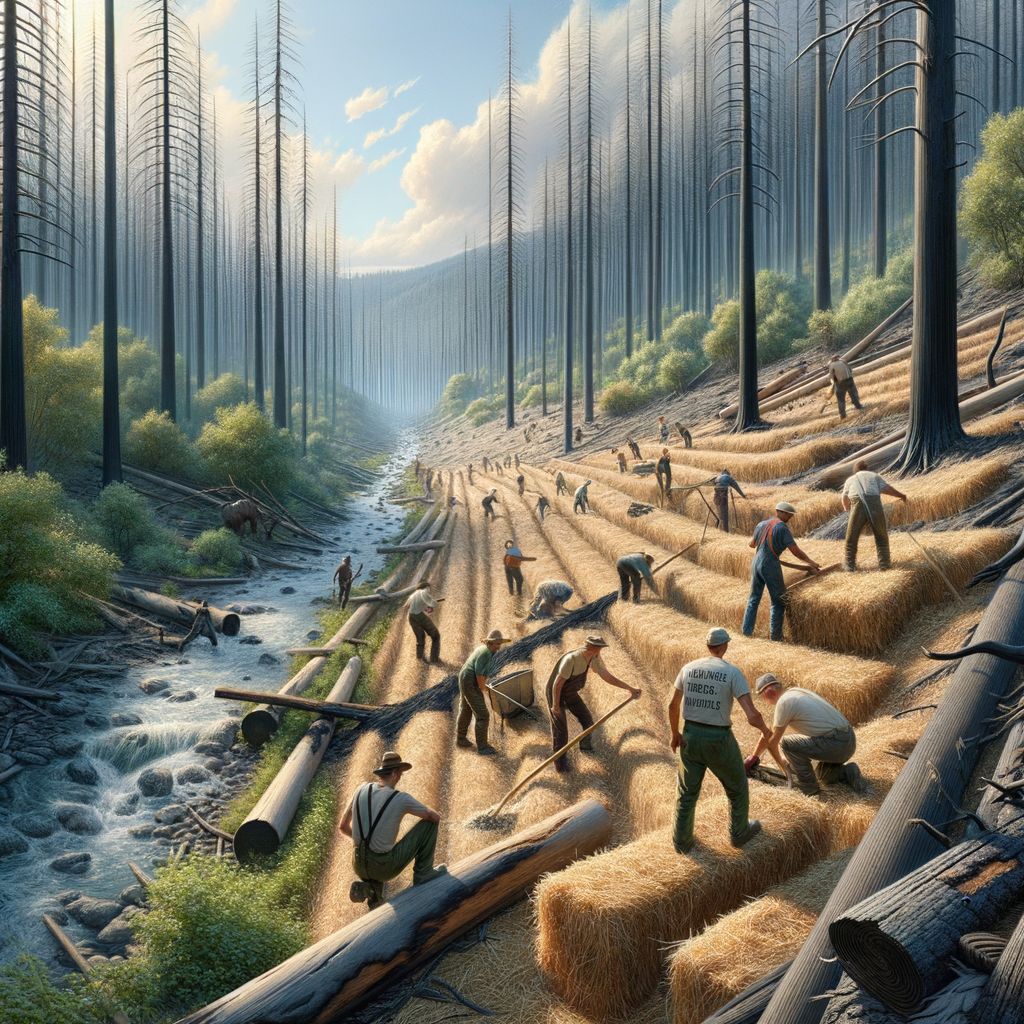
Covering soil with mulch made from straw, wood chips, or other organic materials helps protect it from the direct impact of raindrops. Mulch also retains moisture, promotes seed germination, and supports the gradual return of plant life. I’ve seen areas transformed simply by spreading mulch right after a fire.
3. Contour Wattling and Log Barriers Slow Runoff
Using natural materials such as logs or wattles placed along contour lines can slow water flow, reduce soil movement, and encourage sediment deposition. This technique works well on slopes and can be implemented with community volunteers or restoration crews.
4. Seed and Plant Native Vegetation Quickly
Seeding burned areas with native grasses and plants helps reestablish root systems that bind the soil. Timing and seed choice are critical here. I’ve found that partners like local nurseries or conservation groups often provide expertise and materials for these efforts.
5. Maintain Open Communication and Collaboration
Coordinating efforts between fire response teams, land managers, local governments, and residents creates a network of support. Sharing information about erosion risk, cleanup efforts, and ongoing monitoring makes all the difference.
How I Incorporate Post-Fire Erosion Control in My Work and Life
I believe that combating erosion is a collective responsibility but starts with individual awareness and action. Here’s what I practice and encourage others to do:
- Support Local Recovery Programs: I volunteer or donate to initiatives focused on erosion control and habitat restoration in wildfire-affected areas.
- Stay Updated on Weather and Risk Alerts: Knowing when heavy rains are forecasted after nearby fires helps prepare for possible erosion events.
- Educate Others: Whether chatting with friends, family, or community groups, I share simple tips about what post-fire erosion looks like and steps to prevent it.
- Promote Native Plant Gardening: At home and in community spaces, planting native species strengthens the local ecosystem and reduces overall erosion risk.
Community Actions That Make a Lasting Impact
Post-fire erosion control cannot be left to chance or professionals alone. Communities must engage and act together. Some strategies that have worked well in the field include:
- Organizing Mulch Spreading Days: Bringing neighbors together to cover burned soil can create an immediate protective layer.
- Establishing Volunteer Monitoring Groups: Regular visits to burned areas to check for erosion signs and report problems ensure timely responses.
- Advocating for Funding and Resources: Encouraging local agencies to invest in restoration projects provides the financial backbone for sustained erosion control.
- Hosting Educational Workshops: Teaching residents how to identify erosion risks and participate in recovery builds community resilience.
The Bigger Picture: Restoration Fuels Recovery
Erosion control after fires is just one piece of the recovery puzzle. Healthy soil and stable landscapes form the foundation for biodiversity, carbon storage, and climate resilience. By focusing on erosion, we lay groundwork that speeds natural regeneration and helps ecosystems rebound stronger.
Final Thoughts: Our Role in Healing Burned Landscapes
Post-fire erosion control may not get headlines like wildfire fights, but it is a quiet, crucial battle waged after the smoke clears. From preventing soil loss to protecting waterways and communities, its benefits are far-reaching. I’ve witnessed how focused efforts can revive damaged lands, and I am convinced that anyone can contribute.
Whether through volunteering, spreading knowledge, or simply respecting guidelines after visiting burned areas, your actions matter. Together, we can help landscapes heal faster and safer. Remember, caring for the earth after a fire is just as important as protecting it during one.
Quick Checklist for Post-Fire Erosion Control
- Act promptly after wildfire events to apply erosion barriers
- Use mulch to shield exposed soil and retain moisture
- Support planting of native grasses and shrubs for soil stabilization
- Participate in or support local volunteer restoration projects
- Monitor heavily burned areas especially during rainy seasons
- Spread awareness about the importance of erosion control measures
Thank you for reading. If you are involved in wildfire recovery or simply passionate about land stewardship, I hope my insights inspire you to take action. Post-fire erosion control is a step everyone can take to nurture healing environments today and for the future.