Pollinator Garden Restoration Basics Insights for March
When I first began thinking about pollinator garden restoration, I didn’t realize just how important and impactful this work could be. It’s more than just planting a few flowers. It’s about bringing back vibrant life to spaces that support bees, butterflies, hummingbirds, and many other pollinators essential for our ecosystems and food supplies. This process is powerful, urgent, and incredibly rewarding.
What Is Pollinator Garden Restoration?
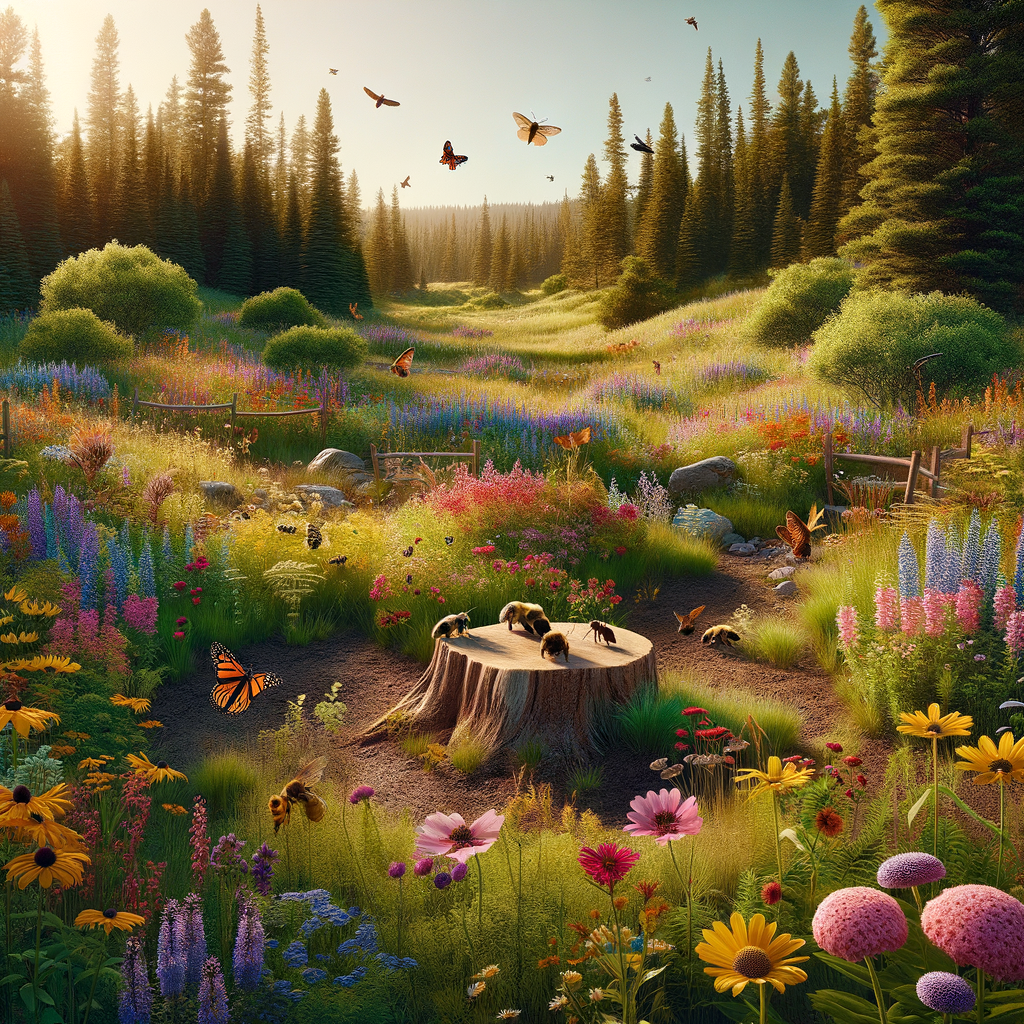
Pollinator garden restoration means rebuilding habitats that provide food, shelter, and nesting sites for pollinators. These gardens focus on native plants that produce nectar and pollen to sustain pollinators throughout their life cycles. Often, gardens and wild spaces get neglected or overtaken by invasive plants. Restoration helps push nature back towards balance.
Think about a patch of land once alive with wildflowers and buzzing bees but now sparse and dry. Restoring it means carefully selecting native plants suited to the site’s soil and climate. It involves removing harmful invasives and creating a welcoming environment for pollinators to thrive again.
Why Does Pollinator Garden Restoration Matter?
I often remind myself and others that healthy pollinator populations are critical. Without them, many plants cannot reproduce, which directly affects food chains and ecosystems. Here’s why restoring pollinator gardens is vital:
- Supports biodiversity. Bringing back native plants and their pollinators strengthens the ecosystem.
- Boosts food production. Many fruits, vegetables, and nuts rely on pollinators to set viable crops.
- Enhances climate resilience. Diverse gardens can better withstand changing weather patterns.
- Improves garden health. Native plants resist pests better and require less water and care.
- Fosters mental wellbeing. Gardens buzzing with life offer peaceful, therapeutic spaces for us.
Pollinator garden restoration isn’t just a nice-to-have. It’s essential for our environment, agriculture, and even our own wellbeing.
How to Restore a Pollinator Garden Successfully
Restoring a pollinator garden requires planning and ongoing care. Based on my experience and learning, here are key steps:
1. Assess and Plan Thoughtfully
Start by understanding your site. What native plants used to grow there? What soil, sunlight, and moisture conditions exist? Identify invasive species and disturbances. Set clear goals – are you restoring for butterflies, bees, birds, or all of them? Careful planning saves time and resources.
2. Remove Invasive Species and Threats
Invasive plants aggressively take over pollinator habitats. They outcompete the native flowers pollinators rely on. Remove these invasives manually or with appropriate techniques. Reducing chemical use is important since pesticides harm pollinators themselves.
3. Choose and Plant Native Species
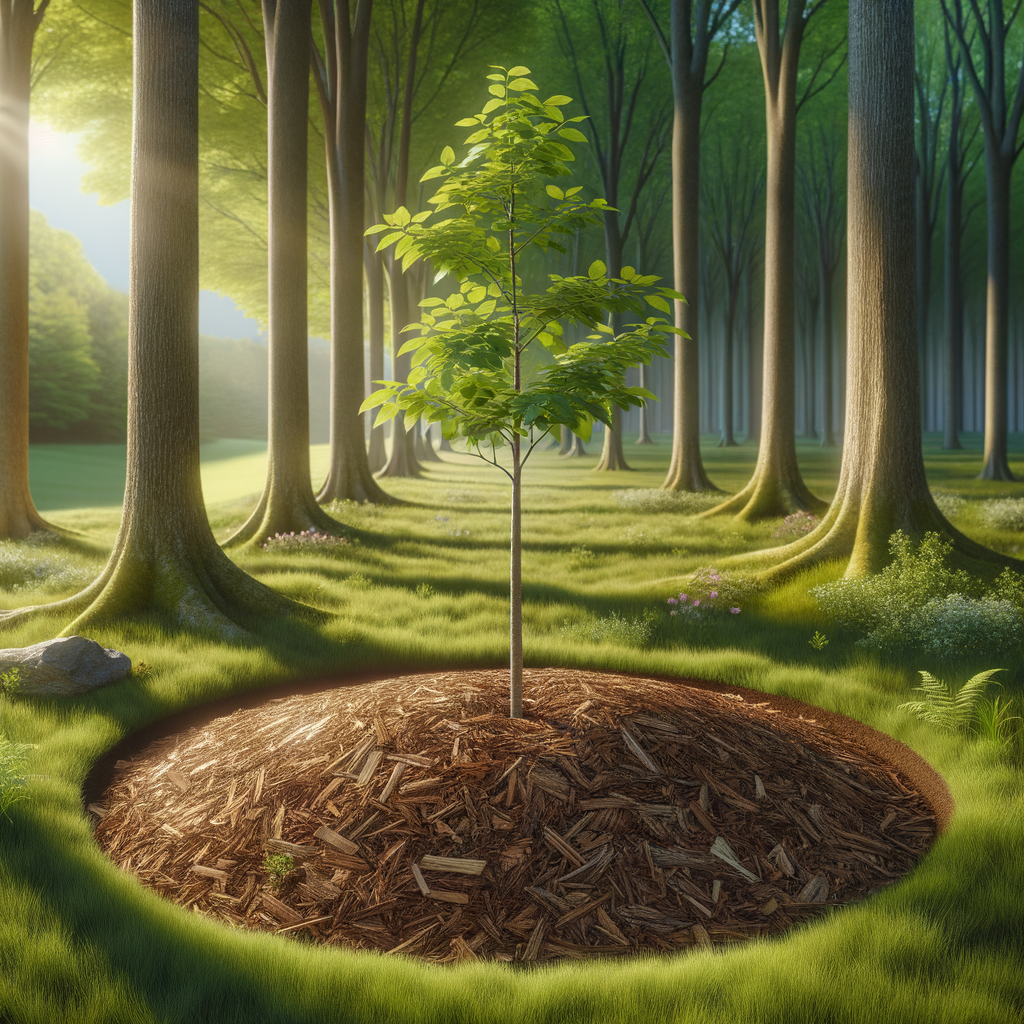
Select native plants that flower at different times throughout the year to provide continuous food. Include a mix of trees, shrubs, and wildflowers. Plant densely to discourage weeds. A diverse garden attracts a wide range of pollinators.
4. Provide Additional Habitat Elements
Pollinators need more than food. They need places to nest and rest. Adding features like bare ground patches for ground-nesting bees, dead wood for beetles, or small logs for solitary bees greatly boosts success.
5. Maintain and Monitor
Restoration is never a one-time effort. Watch the garden over the seasons. Pull invasive seedlings, adjust watering, and observe pollinator visits. Monitoring helps you learn what works and what needs tweaking.
6. Engage Your Community
Sharing your passion with neighbors, schools, or local groups helps build a network of pollinator-friendly spaces. Education about why pollinators matter inspires others to join in. Together, we can create corridors that connect habitat patches.
Challenges and Realities
It is important to be realistic. Restoring pollinator gardens can take time. Sometimes plants grow slowly or invasives come back unexpectedly. Flexibility and patience are key. Plus, funding or resources may limit how much you can do at once.
Despite these challenges, every flower planted and every pollinator welcomed is a step forward. Small efforts multiply. I have seen how a once neglected corner transforms into a buzzing haven in just a few seasons.
How You Can Start Today
You don’t need a large plot or special expertise to help pollinator restoration. Here are simple actions you can take:
- Plant native wildflowers in your yard or balcony pot
- Avoid pesticides and chemical fertilizers
- Join local pollinator garden projects or cleanups
- Build small bee hotels or leave some bare soil for nesting
- Spread awareness among friends and family about pollinator importance
Every little contribution counts. If enough of us act, we can make cities, suburbs, and rural areas into vibrant pollinator refuges.
In closing, pollinator garden restoration is a meaningful, hands-on way to support our environment. It connects us back to nature’s rhythms and helps rebuild a healthier, more diverse world. The work can be challenging but also joyful and inspiring. I encourage you to explore this practice this March and beyond. Restoring pollinator habitats restores the delicate balance on which life depends — and it renews something vital within us all.