Pollinator Corridor Design Insights for March
When I first got involved in wildlife habitat restoration, I didn’t realize how intricate the work truly is. It goes way beyond planting a few flowers or setting up a simple garden patch. Designing pollinator corridors is a specialized, yet increasingly vital part of restoration that combines science, creativity, and a deep respect for nature’s balance.
Let me walk you through what pollinator corridors are, why they matter, and how thoughtful design can make a world of difference for our ecosystems — especially as we prepare for spring.
What Exactly Are Pollinator Corridors?
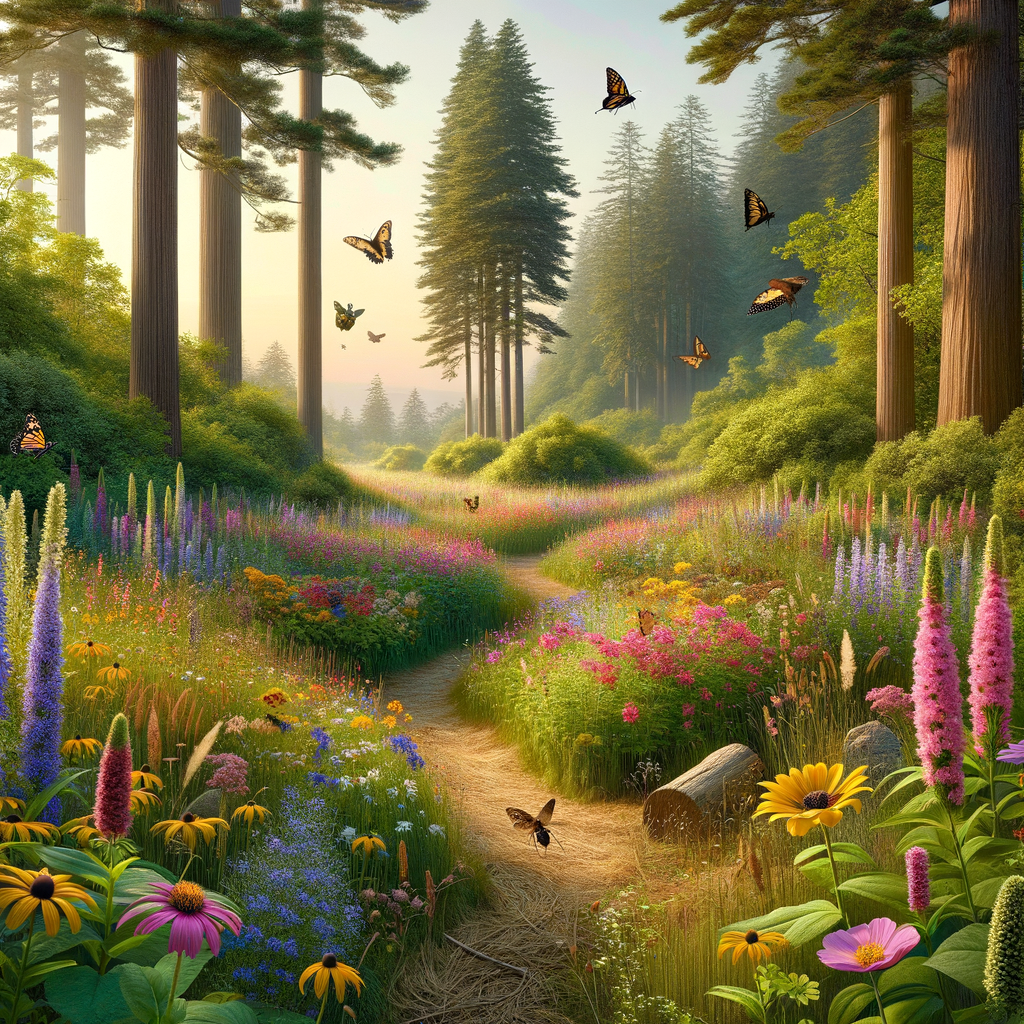
Pollinator corridors are connected pathways of native plants that allow bees, butterflies, birds, and other pollinators to move between habitats safely and efficiently. These corridors create continuous food sources and shelter across fragmented landscapes. Without them, pollinators face isolation and struggle to thrive.
Urban expansion, agriculture, and infrastructure have split many natural areas into smaller patches. Pollinator corridors stitch those patches back together. They provide critical support for the insects and animals responsible for pollination, a process essential for plant reproduction and food production.
Why Focus on Pollinator Corridors?
You may be wondering why pollinator corridors deserve special attention within habitat restoration. The answer is simple yet profound: pollinators keep ecosystems alive and productive. When pollinators decline, so does biodiversity, and eventually, ecosystem services we rely on — like food crops and healthy soils.
Here are some key reasons pollinator corridors are crucial:
- Boost Biodiversity
Corridors support a variety of native pollinators by linking habitats and increasing their range. - Enhance Crop Yields
Many fruits, vegetables, and nuts depend on pollinators for fertilization. Healthy corridors support agricultural productivity. - Increase Ecosystem Resilience
Connected habitats allow species to adapt and move in response to environmental changes. - Support Climate Mitigation Efforts
Vegetated corridors can help sequester carbon and regulate microclimates.
I have personally witnessed the dramatic impact of creating a pollinator corridor near a restored meadow. Pollinators returned in force, and soon the once-empty garden buzzed with vibrant life.
How to Design an Effective Pollinator Corridor
Designing pollinator corridors takes careful planning, knowledge of native species, and an understanding of landscape dynamics. It’s a blend of science and art.
Assess Habitat Conditions
Start by evaluating existing habitats, identifying fragmented patches, and determining gaps pollinators need to cross. Soil quality, sunlight, and existing vegetation play major roles.
Choose the Right Plants
Native flowering plants with staggered bloom times provide a reliable food source throughout the growing season. Diversity is key. Include a mix of wildflowers, shrubs, and trees that attract a variety of pollinators.
Provide Shelter and Nesting Sites
Pollinators need more than food. Leaf litter, bare soil patches, dead wood, and undisturbed ground offer critical nesting and overwintering sites. Incorporate these elements into your design.
Manage Corridors Actively
Control invasive species that could choke out native plants. Monitor the corridor regularly to ensure it is functioning well and adjust management as needed.
Foster Connectivity
Whenever possible, connect corridors to larger natural areas, parks, or gardens. Even small green spaces become valuable stepping stones for pollinators when linked thoughtfully.
Challenges to Anticipate
Pollinator corridor projects can face hurdles. Invasive species may reappear and require persistent management. Urban development pressures threaten continuity. And shifts in climate patterns can affect plant bloom schedules and pollinator behavior.
Yet, with patience and adaptive strategies, these obstacles can be overcome. Persistence pays off.
How You Can Support Pollinator Corridors Today
You don’t need formal training to make a difference. Here are some practical ways to contribute:
- Volunteer for local habitat restoration or pollinator planting events.
- Advocate for pollinator-friendly landscaping in your community.
- Plant native flowers in your yard or balcony garden.
- Avoid pesticides and herbicides that harm pollinators.
- Spread awareness about the importance of pollinator corridors.
My own journey started with planting a few native wildflowers along a driveway. Seeing bees and butterflies return was enough to fuel a deeper commitment to landscape-scale restoration.
Looking Ahead: The Future of Pollinator Corridors
As climate change alters environmental conditions and urbanization continues, the role of pollinator corridors becomes ever more critical. Innovative ideas like green roofs, living walls, and urban corridors are gaining attention, expanding opportunities to support pollinators even in cities.
Research into genetically diverse native plants and technology-assisted habitat monitoring offers promising tools to refine corridor designs. The goal is clear — create resilient, connected landscapes where pollinators can flourish and support ecosystems.
Joining this effort is a chance to be part of something much bigger than ourselves. Every planted flower, every corridor created adds a vital thread to the fabric of life on Earth.
If you want to learn more or get involved, reach out to local conservation groups or national organizations focused on pollinator health and habitat restoration. The rewards of nurturing pollinator corridors extend far beyond the eye — they touch the future of nature and humanity alike.
Let’s get out there and make a difference this spring. The pollinators are waiting.