Pollinator Corridor Design Insights for June
When I first got involved in wildlife habitat restoration, I quickly realized this work goes far beyond planting a few flowers or pulling weeds. It is about rebuilding complex networks that connect nature and life itself. One of the most impactful ways I have seen to support biodiversity and ecosystem health is through designing effective pollinator corridors. If we want to protect our pollinators and the many species that depend on them, these corridors are absolutely crucial.
What Are Pollinator Corridors?
Pollinator corridors are strips or networks of habitat that allow pollinating insects like bees, butterflies, moths, and even hummingbirds to travel safely across landscapes. They link patches of native plants, offering food, shelter, and breeding grounds. Think of them as nature highways that stitch together fragmented habitats, making sure pollinators can move freely and thrive.
Without these corridors, pollinators face isolation, limited resources, and greater risks from pesticides or habitat loss. By restoring or designing these pathways, we help maintain biodiversity and ensure plants get pollinated — a foundation for healthy ecosystems and agriculture alike.
Why Focus on Pollinator Corridor Design Now?
Pollinator populations have been declining dramatically worldwide, a crisis that threatens food security and natural systems. Designing corridors is not a quick fix but a strategic, long-lasting approach to reversing these trends.
Healthy pollinators support about 75 percent of the world’s flowering plants and crops. Without them, ecosystems struggle to function, and agricultural yields suffer. Creating corridors connects fragmented habitats and reverses isolation, boosting resilience against climate change and human development pressures.
Challenges in Designing Effective Pollinator Corridors
Corridor design demands a delicate balance. It is not simply planting wildflowers along roadsides or field edges. There are many factors to consider:
- Habitat quality: The plants must be native and varied, blooming at different times to provide continuous food.
- Connectivity: Corridors need to link existing habitats without gaps.
- Landscape context: Understanding how agriculture, urban areas, and other land uses shape pollinator movement.
- Species diversity: Different pollinators require different plants and conditions.
- Minimizing threats: Avoiding pesticide exposure, excessive mowing, and invasive species.
Early on, I worked on a project trying to create a corridor through an agricultural landscape. We quickly learned that just planting wildflower strips wasn’t enough. We had to engage local farmers, understand their practices, and coordinate mowing schedules. Only then did pollinators start using the corridor effectively.
Step-by-Step Pollinator Corridor Design
Curious about how this works on the ground? Here is a breakdown based on practical experience and best restoration practices:
1. Assess the Landscape and Pollinator Needs
Start by mapping existing habitats, crop fields, urban areas, and natural corridors. Identify key pollinator species and their preferred forage plants. This baseline informs smart placement and plant selection.
2. Set Specific Goals
Do you want to support honeybees? Native bees? Butterflies? Different species have different forage and nesting needs. Clear goals help you design a corridor that meets ecological and community priorities.
3. Plan Native Plantings Strategically
Select a diverse mix of native flowering plants, trees, and shrubs that bloom from early spring through late fall. This ensures food is available year-round. Group plants in clusters to make them more attractive and easier for pollinators to find.
4. Create Habitat Features Beyond Flowers
Pollinators also need nesting sites and shelter. Incorporate bare soil patches for ground-nesting bees, rotting logs, or brush piles for shelter. Water sources can also enhance corridor effectiveness.
5. Engage Local Stakeholders
Farmers, landowners, municipalities, and community groups all play roles in supporting or disrupting corridors. Collaborative planning, education, and incentives help reduce pesticide use and harmful practices along corridor routes.
6. Implement Adaptive Management and Ongoing Monitoring
Pollinator corridors are living systems. Monitor pollinator visits, plant health, and threats like invasive species. Adjust plantings, mowing schedules, or pest management strategies as conditions and knowledge evolve.
Success Stories That Inspire Me
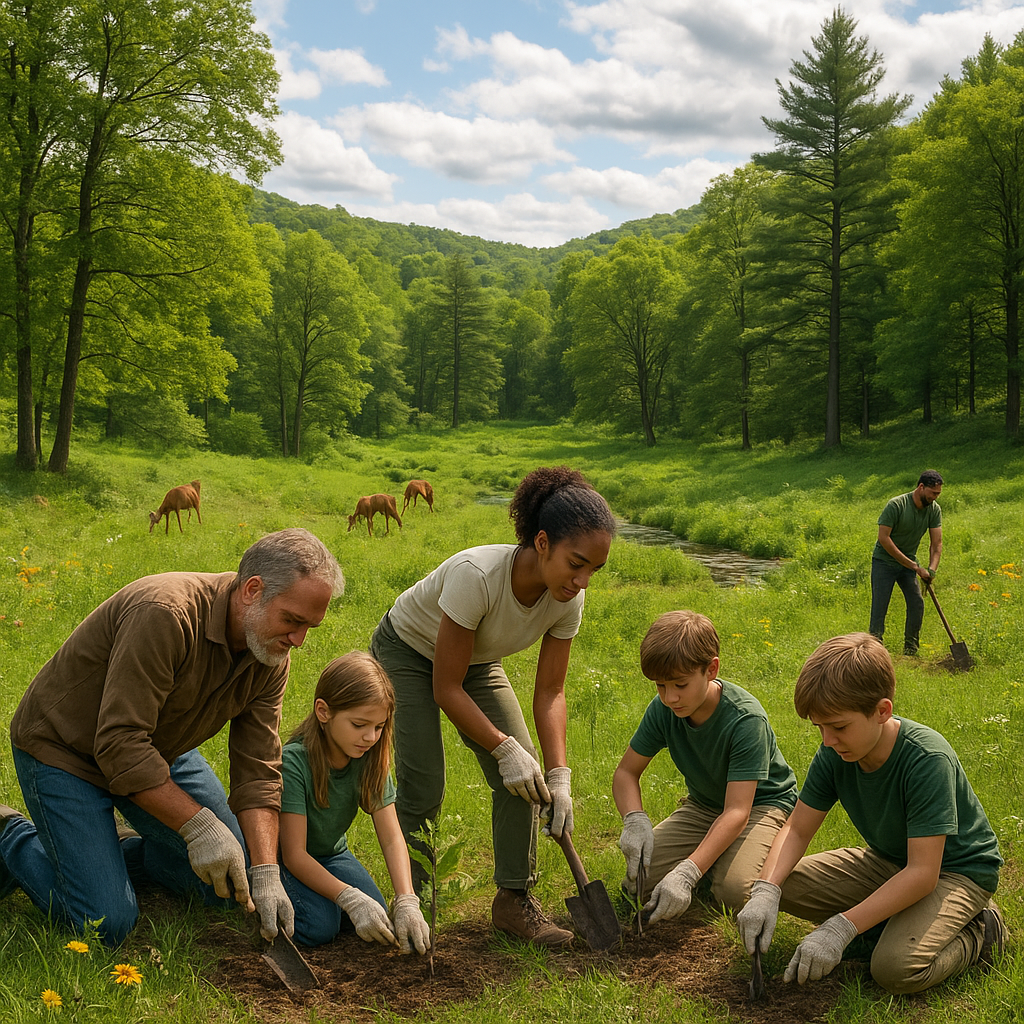
One of the most rewarding projects was establishing a corridor across fragmented farmland. By partnering with local farmers and carefully choosing native wildflowers, we saw a steady return of native bees and butterflies within two seasons. Birds that rely on those insects also increased. The corridor now connects two small forest patches that were once isolated. The ecosystem feels more alive and resilient.
Even small corridors in urban settings have made a big difference. Pollinator gardens in backyards and parks become stepping stones, helping species move through cities.
How You Can Help Pollinator Corridors Flourish
Whether you manage large landscapes or just own a patch of land, there are simple actions anyone can take:
- Plant native flowers with staggered bloom times.
- Reduce or eliminate pesticide use.
- Support restoration projects or local environmental groups.
- Advocate for pollinator-friendly policies and land-use planning.
- Educate neighbors and friends about the importance of pollinators.
Every flower counts. Every corridor strengthens the web of life.
Final Thoughts: Pollinator Corridors Are a Commitment to the Future
Designing pollinator corridors is more than a conservation task. It is a promise that nature’s smallest but most essential creatures have the space to survive, travel, and sustain the ecosystems we all depend on.
The challenges are significant, but the results produce hope. I have seen firsthand how these corridors transform landscapes and inspire communities. If you want to make a tangible difference in protecting biodiversity and food security, investing time and care in pollinator corridor design is one of the best ways you can help.
Together, let's build pathways that connect blooms, bees, and life itself — ensuring a thriving natural world for generations to come.