Nursery-To-Field Transplant Techniques Insights for May
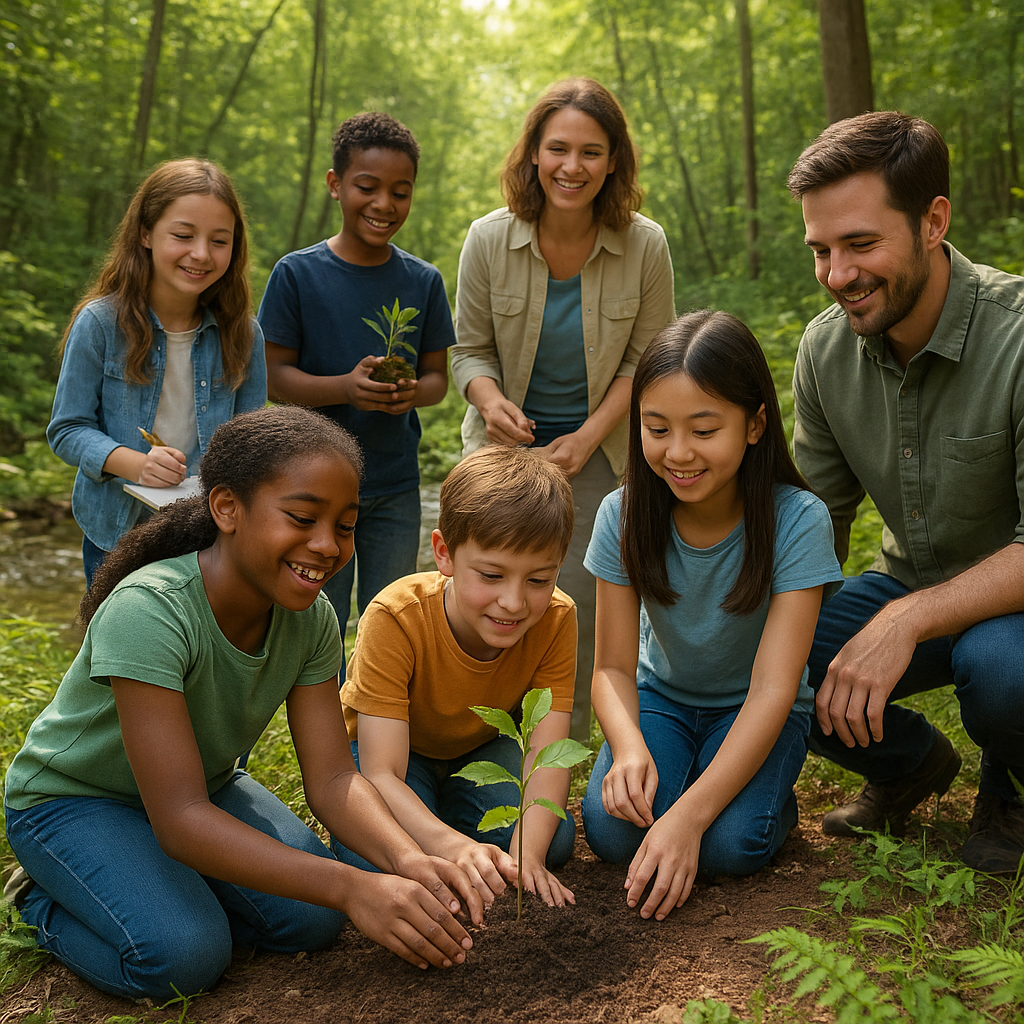
When it comes to reforestation, one of the most crucial steps is moving seedlings from the nursery into the field. This nursery-to-field transplant process can make or break the success of any restoration project. I have seen firsthand how careful attention to this stage leads to thriving forests and healthier ecosystems. If you want to understand how professionals give young trees the best start in the wild, let me share what I have learned.
Why Nursery-to-Field Transplanting Matters
Planting a seedling straight into the field might seem straightforward but doing it well takes knowledge and skill. The transition from a controlled nursery environment to the unpredictable outdoors is stressful for any young tree. The techniques used during this phase impact survival rates, long-term growth, and the overall success of reforestation work.
Getting this right also means efficient use of resources. It is a balance between timing, preparation, and protection.
Preparing Seedlings for Transplanting
One key step is nursery hardening. This involves gradually exposing seedlings to outdoor conditions before transplanting. I have noticed seedlings that undergo this process handle the shock of the new environment much better. Hardening strengthens their foliage and roots, making them more resilient.
Seedlings should be well-watered but not oversaturated prior to moving. The roots need to be healthy and free from damage. This is where constant nursery care shows its value.
Timing and Weather Considerations
Planting seedlings during favorable weather conditions significantly boosts success. I prefer transplanting during the rainy season because moisture is abundant. Dry weather right after planting can stress young trees and reduce survival.
Early mornings or late afternoons are ideal times of day to transplant. Avoiding the harsh midday sun reduces water loss and heat stress for seedlings. Careful timing can be the difference between a sapling that thrives and one that struggles.
The Transplant Process Step-by-Step
- Root Preparation: Gently tease the roots to encourage outward growth in the soil.
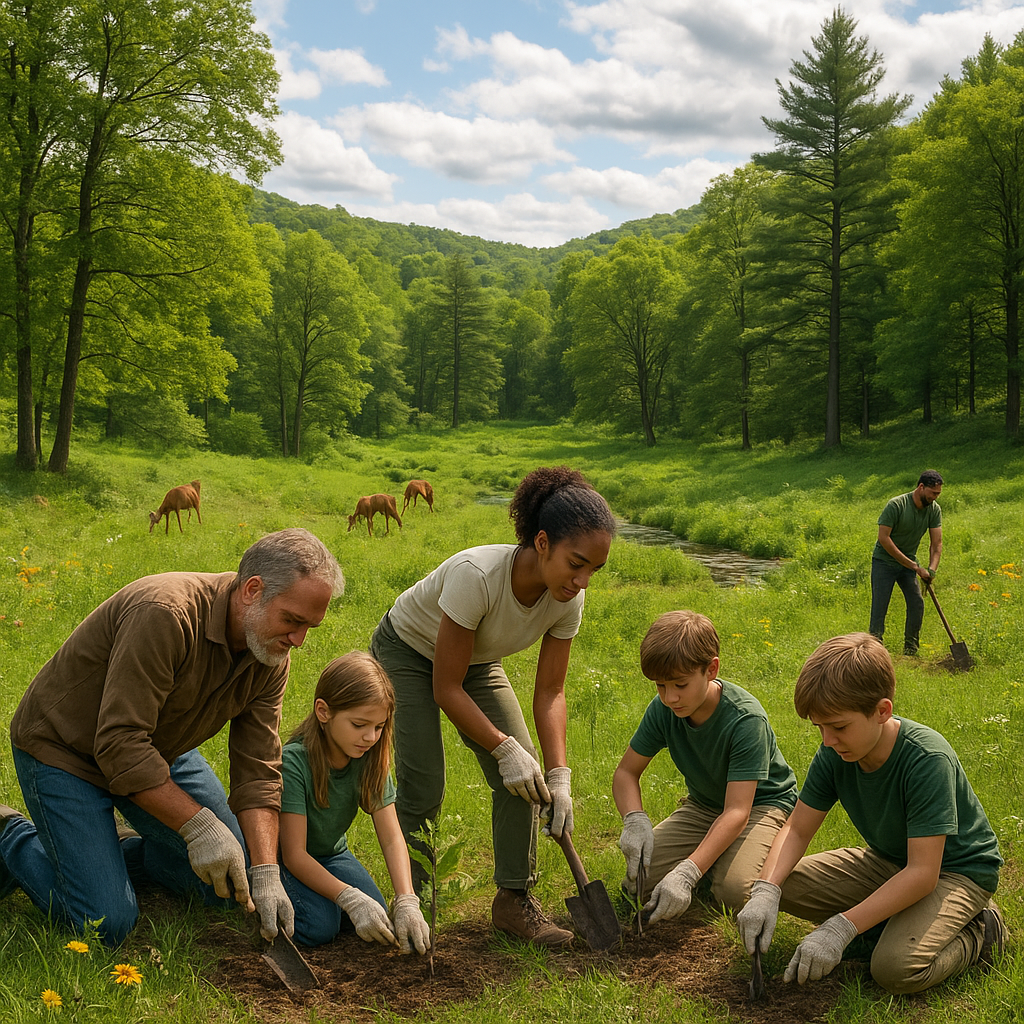
- Digging Holes: Holes should be twice as wide and just as deep as the root ball. Adequate soil aeration is essential.
- Placement: Position seedlings upright with roots spread naturally.
- Backfilling: Use native soil to fill holes, avoiding air pockets.
- Watering In: Water immediately to settle soil and reduce transplant shock.
- Mulching: Add mulch around the base to retain moisture and prevent weeds.
Attention to these details really pays off.
Protecting Transplanted Seedlings
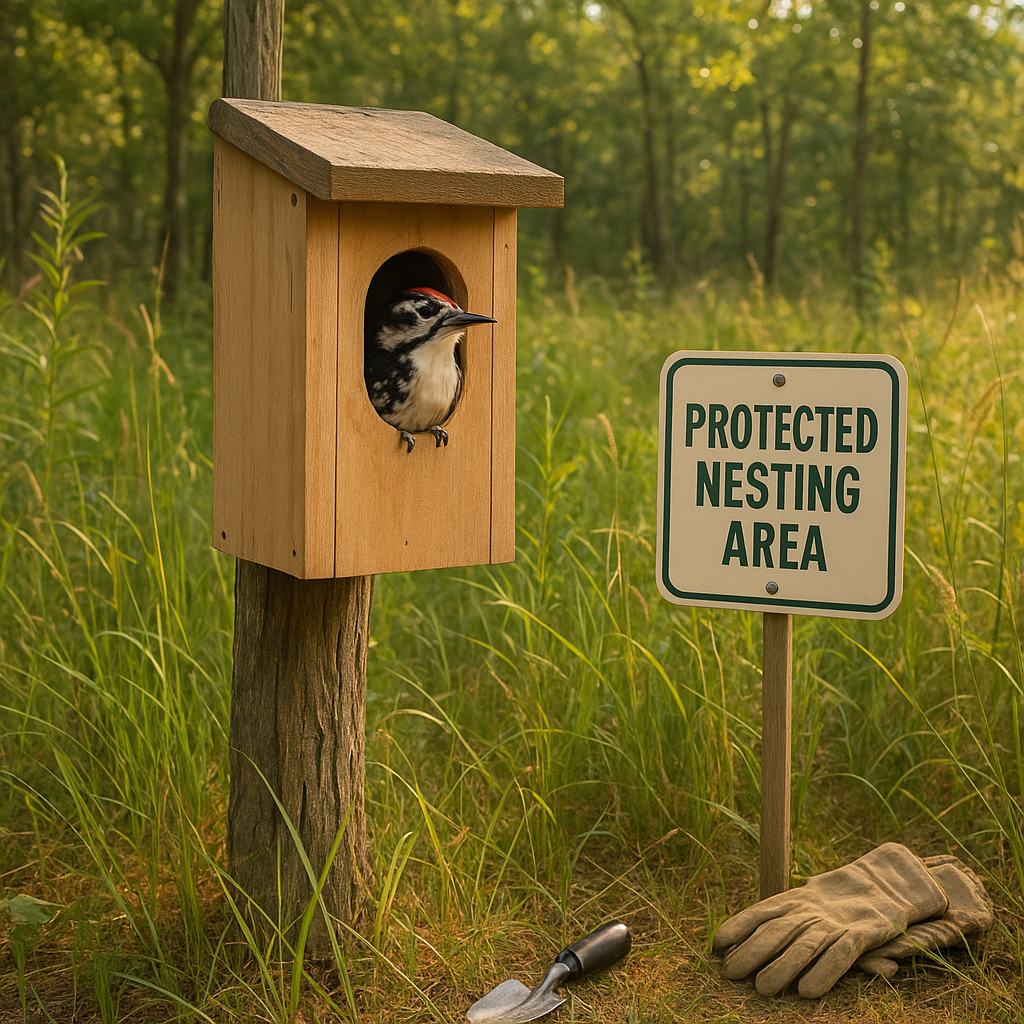
Once in the field, young trees need protection. Grazing animals, pests, and human interference are constant threats. I often recommend physical barriers like tree guards or fencing when possible. Alternatively, involving local communities in monitoring and care creates a protective network that limits damage.
Weeds compete fiercely with seedlings for nutrients and water. Regular control around planted trees is vital during the first few years.
Why Species Selection Still Matters Here
Even in transplanting, using native and site-appropriate species cannot be stressed enough. Seedlings already adapted to the nursery environment but not suited to local field conditions will suffer. The best results come from matching seedlings to the specific soil, climate, and ecosystem they will become part of.
Mixing species enhances forest resilience and encourages natural processes.
The Role of Technology and Innovation
Advances in nursery-to-field techniques include specialized tools for digging and carrying seedlings with minimum root disturbance. Some projects use GPS mapping for precision planting, allowing monitoring and ongoing care to focus where needed most.
Technology supports but does not replace the careful human attention required at this delicate stage.
Challenges and Solutions I Have Seen
Transplanting is not without its challenges. Sometimes unexpected drought or soil pests knock back young seedlings. I have learned that staying flexible and adaptive helps. Regular monitoring, watering during dry spells, and pest management reduce losses.
Budget constraints can pressure projects to rush transplanting. However, investing time and care upfront pays dividends in survival and forest health.
Final Thoughts: Growing Forests One Seedling at a Time
The journey from nursery to field is a bridge between controlled growth and wild independence for trees. Each seedling transplanted carefully represents a step toward healing landscapes, improving biodiversity, and capturing carbon.
Focusing on nursery-to-field transplant techniques transforms reforestation from guesswork into a skilled practice. It requires patience, knowledge, and a hands-on approach. For those of us working in restoration, paying attention here means respecting the life we want to nurture and the forests we hope to see flourish.
If you are involved in planting trees or supporting reforestation work, remember that success often starts long before the shovel hits the ground. The care seedlings receive in the nursery and during transplanting lays the foundation for a robust future forest. Every seedling counts, every detail matters. Let us grow our forests thoughtfully—one tree at a time.