NGO Partnership Models Insights for August
When I think about conservation funding and the role of NGOs, it’s clear they share a unique, powerful connection that is reshaping environmental efforts worldwide. Understanding this relationship helps us tackle some of the largest challenges facing our planet today.
The Importance of NGO Partnership Models in Conservation Funding
Many people see conservation funding as a straightforward matter of money. Yet, there’s far more to it. It’s about collaboration among NGOs, governments, private sectors, and communities. Partnership models within NGOs provide a framework to combine strengths, share resources, and maximize impact.
The success of conservation efforts often hinges on these partnership arrangements. They guide how funding is mobilized and applied across different projects like:
- Protecting endangered species
- Restoring ecosystems
- Promoting sustainable land use
- Combatting pollution
- Building climate resilience
Without effective partnerships, funding risks being inefficient or misdirected. The right models allow NGOs to coordinate with various stakeholders and align goals, creating a network of shared responsibility and action.
Why NGOs Make a Difference
NGOs play a critical role bridging gaps where government resources fall short. Most governments face unpredictable budget cycles and shifting political priorities, which can limit consistent funding for conservation. NGOs, however, often bring agility and innovation—qualities urgently needed in environmental work.
Through partnerships, NGOs can:
- Access private funding and philanthropic donations
- Coordinate community-based conservation projects
- Leverage international collaborations
- Pilot innovative solutions faster than larger institutions
Because many NGOs operate close to the ground, they understand local ecosystems and communities better. This connection ensures funding is used in ways that make real, measurable differences.
Common NGO Partnership Models
In my experience, knowing the types of partnerships NGOs form helps clarify how conservation funding flows and expands. Here are the main models:
1. Collaboration Partnerships
This model involves multiple NGOs working together on shared goals. They pool funds, expertise, and outreach capabilities to tackle large-scale conservation issues. Collaboration often results in larger grants and more comprehensive impact.
2. Government-NGO Partnerships
Many NGOs partner with governments to implement conservation policies and programs. Governments might provide funding, while NGOs offer technical expertise or field-level execution. This model is essential in bridging bureaucratic systems and community needs.
3. Corporate-NGO Partnerships
Businesses increasingly invest in environmental responsibility. NGOs team up with corporations to channel Corporate Social Responsibility (CSR) funds toward conservation projects. These partnerships can drive sustainable practices and fund restoration or research.
4. Community-Based Partnerships
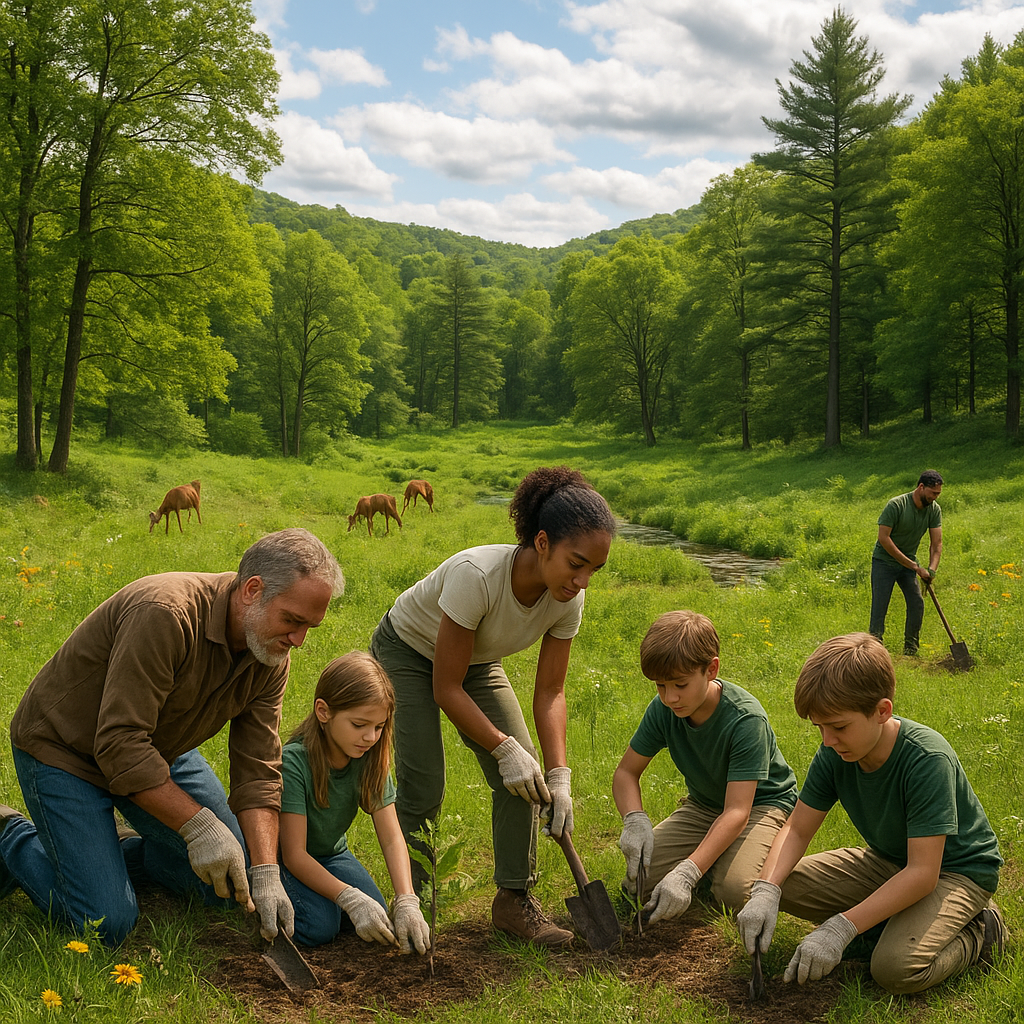
NGOs collaborate directly with local communities, empowering them to manage their natural resources. This grassroots model usually combines funding from various sources and focuses on long-term sustainability.
Challenges NGOs Face in Partnership Funding
Despite its potential, partnership funding faces real challenges. Political instability can disrupt government support. Competition for private donations is fierce, especially during economic downturns. Communication breakdowns between partners sometimes slow progress or cause overlap.
Moreover, tracking and demonstrating the impact of conservation work remains difficult. Donors and stakeholders want evidence of success, but measuring ecosystem health is complex.
To overcome these hurdles, NGOs must prioritize clear communication, robust monitoring, and shared vision.
How You Can Support NGO Partnership Efforts
There’s plenty we can all do to help. Personal involvement matters just as much as policy change.
- Stay informed about conservation and NGO work.
- Donate to organizations with strong partnership networks.
- Advocate for government policies that support NGO collaboration.
- Support companies with credible environmental initiatives.
- Promote sustainable choices that reduce our collective footprint.
Every action helps strengthen the system that funds and enables impactful conservation.
Looking Ahead: The Future of NGO Partnerships in Conservation Funding
Progress demands that NGOs continue to evolve their partnership models. Flexibility and innovation will be key as new environmental challenges arise from climate change and other pressures.
I believe that aligning policies to encourage these partnerships, combined with diversified funding sources, will create a more resilient conservation landscape. Imagine a future where NGOs, governments, corporations, and communities act in concert—not in isolation—to protect our planet for generations to come.
Final Thoughts
NGO partnership models represent some of the strongest forces driving conservation funding forward today. They bring people and resources together in ways that make real environmental change possible.
This isn’t a distant, abstract idea. It’s happening now. And we all have a role to play—whether through support, advocacy, or involvement.
Let’s champion these partnerships that hold the key to sustainable conservation. When NGOs connect efficiently and funding follows thoughtfully, the results can be remarkable.
Thank you for reading. If this insight resonates with you, please share it. Together, we can help expand the conversation around partnership-driven conservation funding.