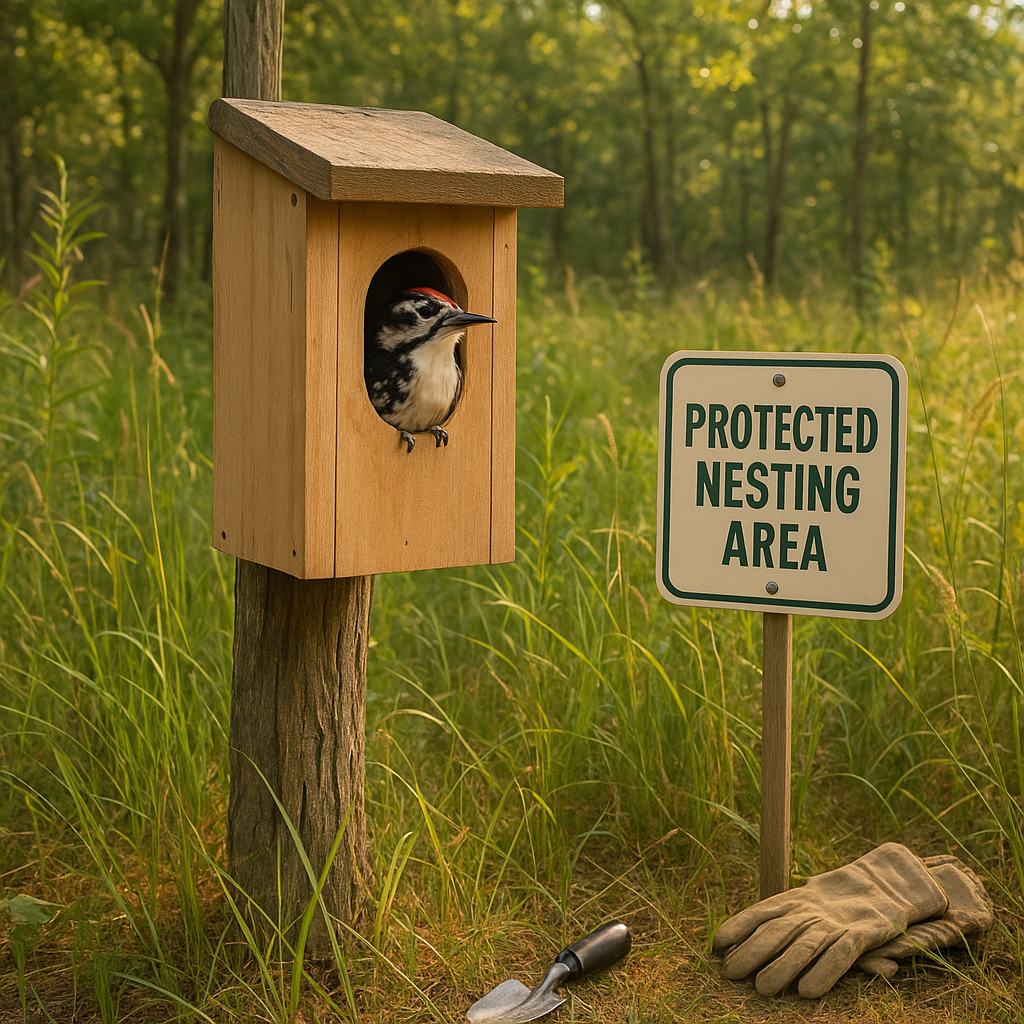
New California Conservation Bills Insights for December
When it comes to protecting the environment, funding is always the backbone of success. Over the years, working in environmental advocacy and policy, I’ve learned that no matter how strong a conservation policy might be, without solid financial backing, it struggles to make a real impact. This month in California, several new conservation bills have been introduced that could reshape how the state funds its conservation efforts—and that’s something worth paying attention to.
What Is Conservation Funding and Why Does It Matter?
Conservation funding means the money set aside to protect natural habitats, endangered species, ecosystems, and biodiversity. This money arrives from different directions:
- State government budgets
- Federal grants
- Private donors and environmental groups
- Corporate social responsibility programs
This funding supports everything from scientific research and restoring habitats to enforcing environmental laws and getting communities involved. The problem is, there is almost never enough to cover all pressing needs.
The Role of Policy in Shaping Conservation Funding
Policies create the rules of the game. Without clear policies, funding is often unpredictable and scattered. Without these frameworks:
- Conservation plans lack consistency
- Funding can be too small or unstable
- Projects become duplicated or poorly coordinated
- Transparency and accountability suffer
A strong policy foundation helps ensure that conservation dollars flow efficiently and make real differences. For example, California’s new bills focus on mechanisms like ecosystem service payments, which provide financial incentives to landowners for protecting habitats. These incentives encourage private funding to work alongside public dollars.
My Experience with Policy and Funding Challenges
From my time in policy discussions on biodiversity and ecosystem protection, I noticed one consistent barrier: money. Policies sounded promising, but when budgets weren’t secured or fundraising mechanisms weak, progress stalled. And elsewhere, lack of good governance made it harder to attract necessary funds.
This pattern repeats: solid policies depend on reliable funding, and dependable funding depends on strong policies. It is a balancing act that California aims to improve with the latest legislation.
Major Challenges New Bills Aim to Fix
-
Money is often short-term and unstable: Many programs rely on grants that run out quickly. California’s proposed trust funds intend to provide steady, long-lasting financing.
-
Conservation fights for attention against other priorities: Education and healthcare often get more funding. To fix this, some bills promote eco-taxes and carbon fees to create dedicated revenue streams just for conservation.
-
Managing funds responsibly is tough: Corruption and poor tracking can waste money. So new policies include transparency rules with regular reporting requirements.
-
Private sector needs more incentives: The state is proposing tax breaks and recognition programs to encourage companies to invest in environmental protections.
Innovative Policy Tools in the New California Bills
Several ideas in these bills stand out:
-
Green Bonds: These allow California to raise money upfront from investors who get paid back over time, while funding big conservation projects now.
-
Conservation Trust Funds (CTFs): These independent funds pool money from various sources to ensure ongoing support for local conservation efforts. I admire how they can empower communities and maintain financial discipline.
-
Payment for Ecosystem Services (PES): These programs pay landowners directly for actions that benefit the environment, such as maintaining forests or wetlands.
I’ve seen these tools work well in other parts of the world, and now California is adopting them to keep pace with its ambitious conservation goals.
Why California Must Act Now
Biodiversity is declining at an alarming rate. Species are disappearing, coral reefs and forests are stressed, and climate change only makes conservation harder. The stakes couldn’t be higher. California’s new conservation bills represent a strong effort to match the urgency with smart policy backed by stable funding.
Protecting forests isn’t just about animals—it’s about carbon capture, clean water, and protecting the people who live here. Those ecosystem services deserve reliable funding mechanisms that reflect their true value.
What Can We Do to Support These Efforts?
Everyone has a role to play:
- Talk openly about why conservation funding matters and where current policies fall short.
- Reach out to lawmakers and urge them to support these new bills.
- Support environmental organizations that turn policies into real-world results.
- Choose to support companies that invest responsibly in sustainability.
Final Thoughts
The connection between policy and funding is not abstract or distant; it’s the lifeblood of any successful conservation work. Without both working together, the best intentions can fall short.
California’s new conservation bills show a promising shift toward combining good policy with financial strategies that actually work. It will take commitment, strategy, and consistent resources to protect this state’s natural heritage—and by extension, our planet’s future.
Our window for meaningful action is closing. These bills remind me that with smart decisions today, we can build lasting conservation success for tomorrow.
Thank you for reading. Stay tuned for more updates on environmental policy and funding developments. Together, we can make a difference.