Nesting Box Installation Guide Insights for November
As the colder days of November roll in, many of us turn our thoughts to helping wildlife prepare for the winter months ahead. One of the most effective ways to support birds and small mammals during this time is through the installation of nesting boxes. These simple structures offer safe, warm spaces for creatures to rest, raise young, and find shelter from harsh conditions. Today, I want to share insights on how to install nesting boxes correctly, making a real difference in your local ecosystem.
Why Nesting Boxes Matter
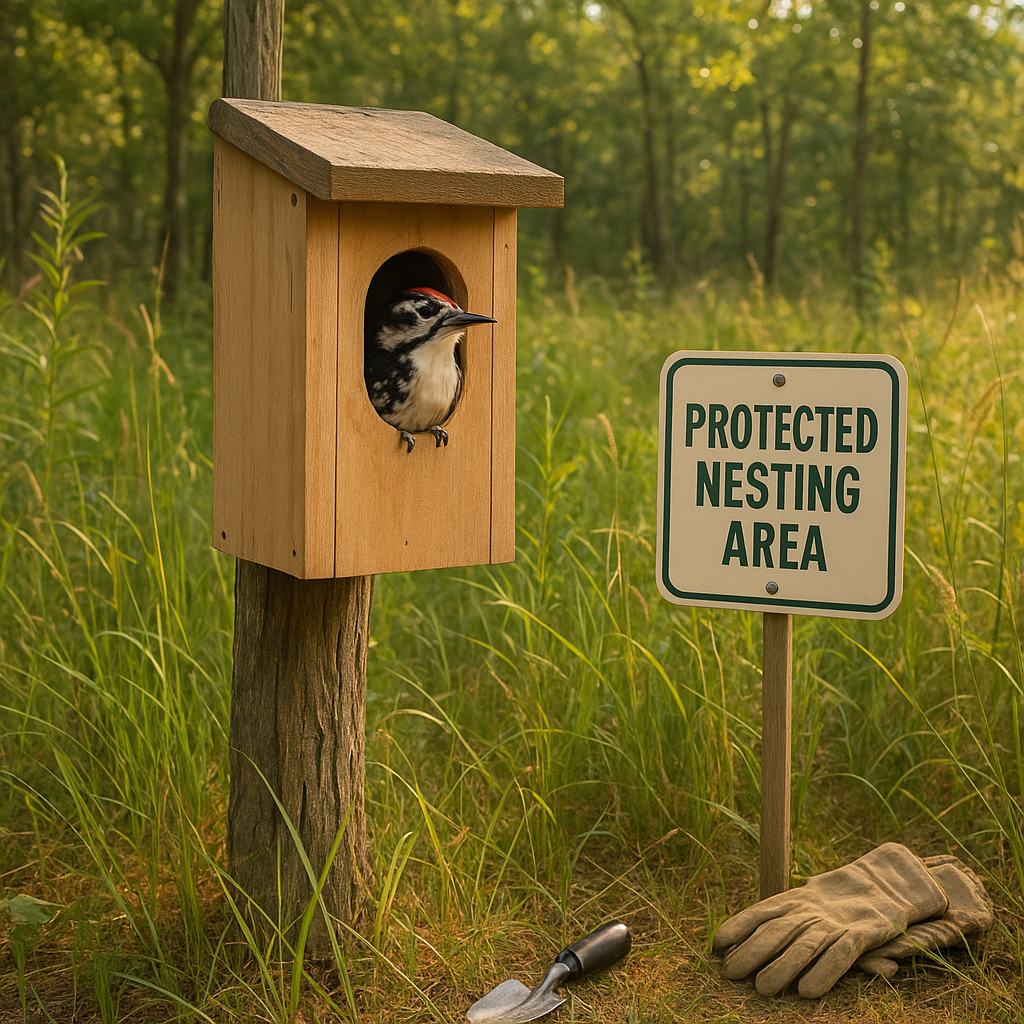
Natural nesting sites can be scarce or disappearing due to urban development, habitat destruction, and changing land use. Nesting boxes step in to fill this gap. They provide vital shelter for cavity-nesting birds such as bluebirds, chickadees, and owls, as well as small mammals like squirrels and bats. Installing boxes thoughtfully can boost local biodiversity, support species survival, and create opportunities for observation and enjoyment.
Choosing the Right Nesting Box
Not all boxes are created equal. The key lies in matching the box to the species you want to support. Consider the following:
- Size and entrance hole diameter: Different species require specific dimensions. For example, bluebirds prefer smaller entrance holes, while screech owls need larger ones.
- Material: Wood is the most common and effective material. It insulates well and lasts longer. Avoid metal or plastic, which can heat up too much or offer poor protection.
- Design: Proper ventilation and drainage are essential to keep the interior dry and comfortable. Look for boxes with holes or slots near the top for airflow and drainage holes on the floor.
- Ease of cleaning: Boxes should be easy to open so leftover nests and debris can be removed annually.
Step-By-Step Installation Process
Installing a nesting box is more than just nailing a box to a tree. Here is a stepwise approach that can increase your success rate:
1. Select the Location
- Height: Most bird species prefer boxes mounted between 5 and 15 feet above ground. Check species-specific recommendations.
- Orientation: Faces the box away from prevailing winds and intense midday sun. East or northeast-facing boxes typically provide good shelter.
- Avoid disturbance: Place boxes where pets, predators, and loud human activity are minimal.
- Proximity to natural habitat: Near shrubs, trees, or water sources tends to be ideal.
2. Mounting the Box
- Use sturdy brackets or straps to secure the box. Avoid nails directly into trees when possible to prevent damage.
- Ensure the box is stable and does not sway in the wind.
- Position the entrance hole unobstructed by branches or leaves.
3. Timing Matters
- Install boxes before breeding season starts. For most species in temperate climates, late winter or early spring is ideal. However, installing in November can give animals a head start for winter shelter.
4. Maintenance Checks
- Inspect boxes yearly, preferably in late fall, to clean out old nests and maintenance issues.
- Repair damage and replace worn boxes to keep the habitat safe and inviting.
Protecting Your Nesting Boxes from Predators
Predators such as raccoons, snakes, and cats can threaten the safety of nesting animals. You can reduce risks with these tips:
- Install predator guards like metal baffles around poles or tree trunks.
- Keep boxes away from dense brush where predators can hide.
- For some species, using smaller entrance holes deters larger predators.
November Considerations
November presents unique chances and challenges for nesting box installation:
- Cooler temperatures encourage animals to find secure shelters now.
- Work during dry days to avoid damaging the box or disturbing wildlife.
- Adding insulation or thicker walls can provide extra warmth.
- Take care not to disturb any animals that may already be using boxes for shelter.
The Reward of Watching Wildlife Thrive
There is something truly special about knowing that your efforts have provided shelter for a family of birds or a small mammal through the cold months. Nesting boxes encourage a closer connection with nature, spark learning journeys, and help preserve wildlife populations.
If you have space in your yard, community park, or school grounds, I encourage you to try installing a nesting box this November. With the right planning and care, you can become a vital part of your local ecosystem’s survival story.
Get Involved and Share
I would love to hear your stories or questions about nesting box installation. Have you noticed new bird visits or found creative ways to protect your boxes? Feel free to share below — your experiences can inspire others to make a difference too.
Final Thoughts
Nesting box installation is a simple yet impactful habitat restoration step that anyone can take. It supports biodiversity, nurtures endangered species, and enriches our environment. This November, consider this hands-on way to help wildlife stay safe, warm, and thriving when they need it most.
Let’s work together to give animals a welcoming home — one box at a time.