Nesting Box Installation Guide Insights for June
When it comes to supporting wildlife, few actions are as rewarding—and effective—as installing nesting boxes. As we move through June, the need to provide safe and welcoming homes for birds and other small animals becomes even more critical. I’ve spent a lot of time working with habitat restoration, and I want to share a practical guide on how to install nesting boxes that truly make a difference.
Why Nesting Boxes Matter
Habitat loss is a major challenge for many species, especially cavity-nesting birds that rely on old trees or natural hollows. When these safe spaces disappear, breeding becomes difficult, and populations decline. Installing nesting boxes replaces this lost habitat, offering animals a secure spot to raise their young.
More than that, nesting boxes contribute to the larger ecosystem. Birds control insects, pollinate plants, and spread seeds. Supporting their life cycles strengthens the balance in your local environment.
Timing Your Installation: Why June Matters
June is an ideal time for installing nesting boxes because many birds are actively searching for places to nest. By putting up boxes now, you increase the chances that this season's breeding will be successful. Some species may still be laying eggs or feeding chicks, so acting promptly can have an immediate positive impact.
Step-By-Step Nesting Box Installation Guide
Here is a straightforward approach that I follow, designed for both beginners and seasoned conservationists:
1. Choose the Right Nesting Box
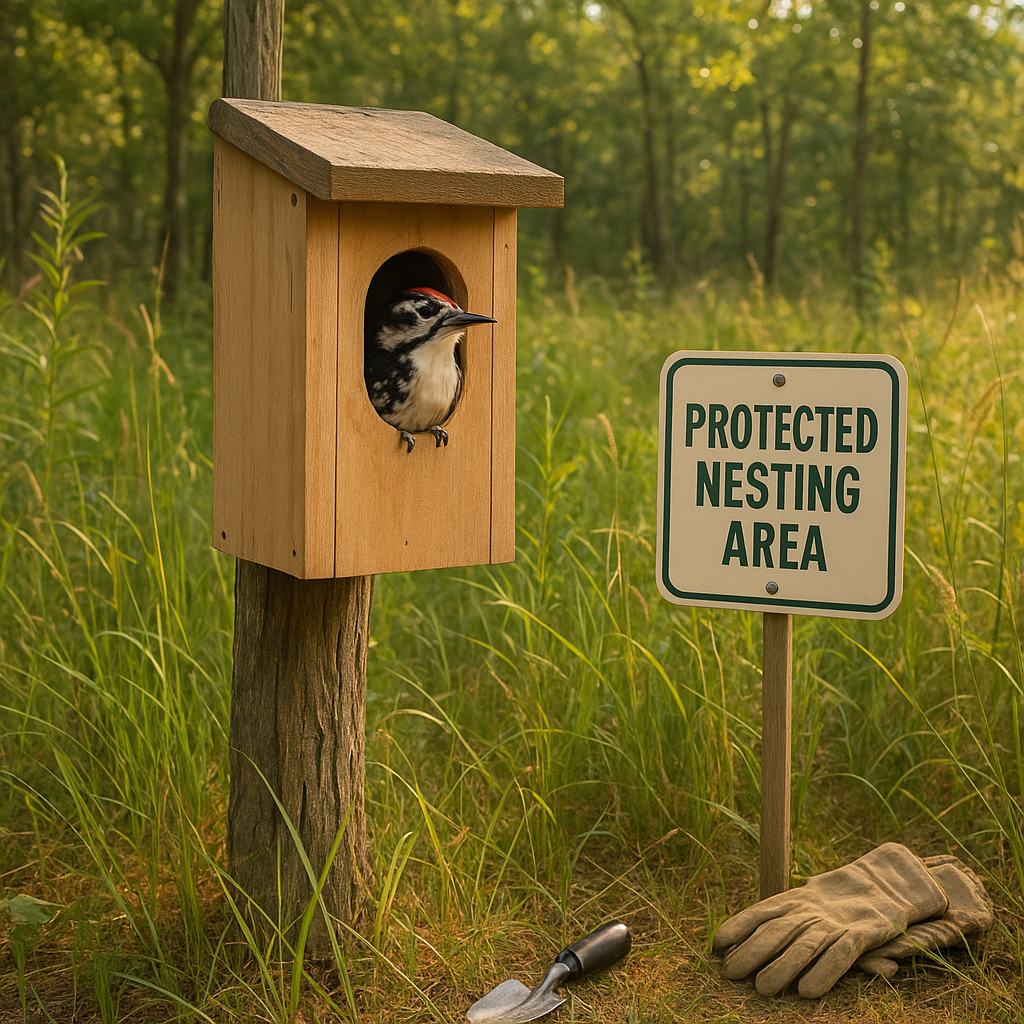
Different species require different box designs. For example, bluebirds prefer a box with a small entrance hole about 1.5 inches in diameter, while flying squirrels need a larger one. Research is key here; knowing your local wildlife guides your choice.
2. Select the Perfect Location
Look for a spot that mimics natural nesting environments. Boxes should face away from prevailing winds, usually toward open areas with adequate sunlight but some shade. Avoid placing boxes too low where predators like cats can reach them. A height between 5 and 10 feet is generally safe.
3. Secure Installation
Use sturdy materials to mount your box on trees, poles, or buildings. Avoid using nails directly into trees, which can harm them. Instead, opt for straps or specialized mounting kits that are safe and stable.
4. Maintain Proper Spacing
Don’t crowd the boxes; keep at least 50 feet between each to reduce territorial conflicts among birds. Spacing helps maintain a healthy population without competition for space.
5. Monitor Regularly but Mindfully
Checking your boxes once or twice a month during breeding season lets you track usage and spot issues like wasp nests or predators. However, don’t disturb active nests. If you find problems, remove debris carefully and clean the box at the end of the season.
Common Challenges and Solutions
Installing nesting boxes isn’t always smooth sailing. Predators like raccoons and snakes may target nests. Using predator guards can help protect your boxes. Weather can also be a risk. Be sure boxes have drainage holes and are made of durable wood such as cedar.
Sometimes, community concerns or local regulations come into play. Always check with local wildlife authorities before installing boxes on public land.
Ways You Can Support Nesting Box Success
Beyond installation, there are a few things you can do to ensure nesting boxes benefit wildlife:
-
Plant native vegetation nearby to provide food and cover.
-
Avoid pesticides which can harm both adults and chicks.
-
Share your knowledge with neighbors or schools to build collective awareness.
-
Volunteer or donate to local conservation groups working on habitat restoration.
Final Thoughts
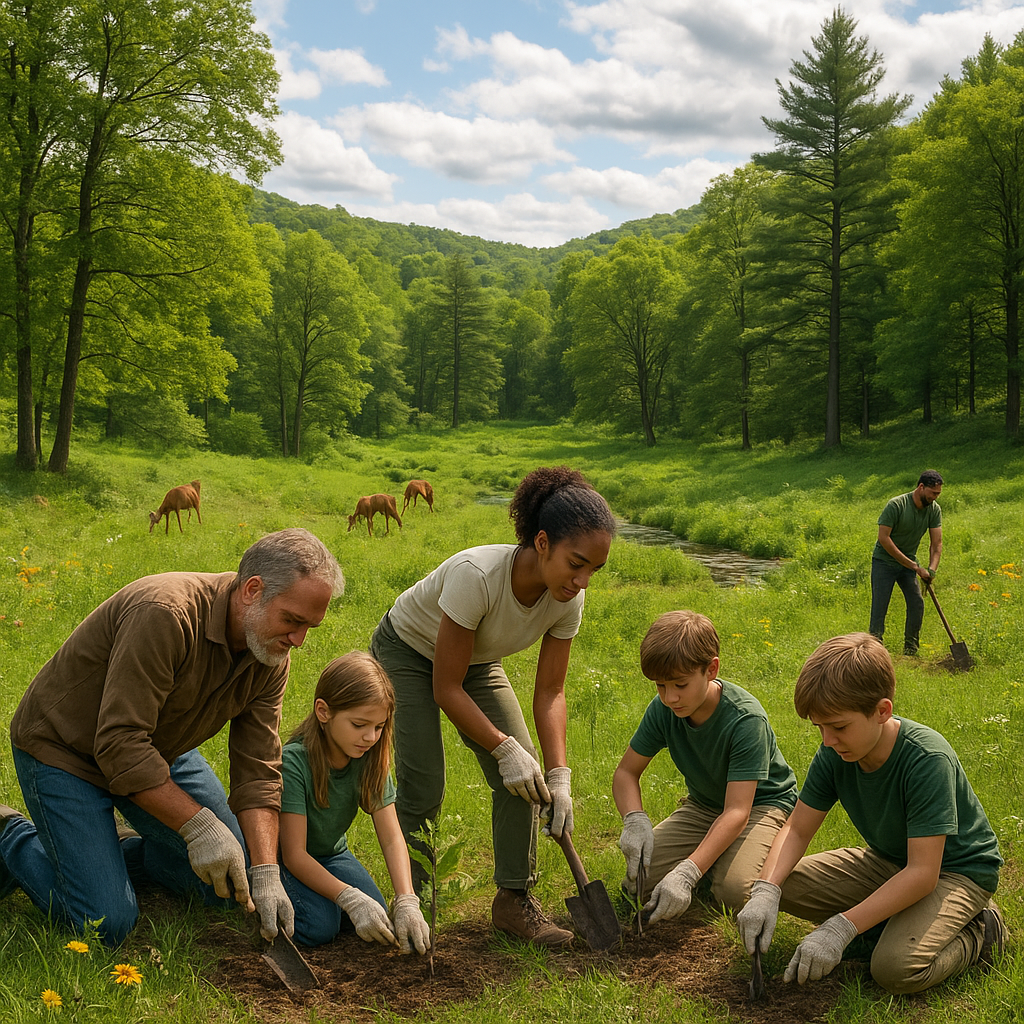
Installing nesting boxes feels simple at first glance, but it touches on a deeper goal—helping restore natural habitats and promote biodiversity. It requires thought and care, but the payoff is huge. Watching birds find shelter, raise their young, and flourish connects us directly to the pulse of nature.
This June, I encourage you to embrace nesting box installation. Whether on a balcony, backyard, or community green space, your efforts contribute to bigger ecological wins. Together, we can create safe havens that enrich wildlife and our shared environment.
Let’s build homes for nature’s smallest neighbors and nurture the lifelines that keep our ecosystems vibrant and alive.