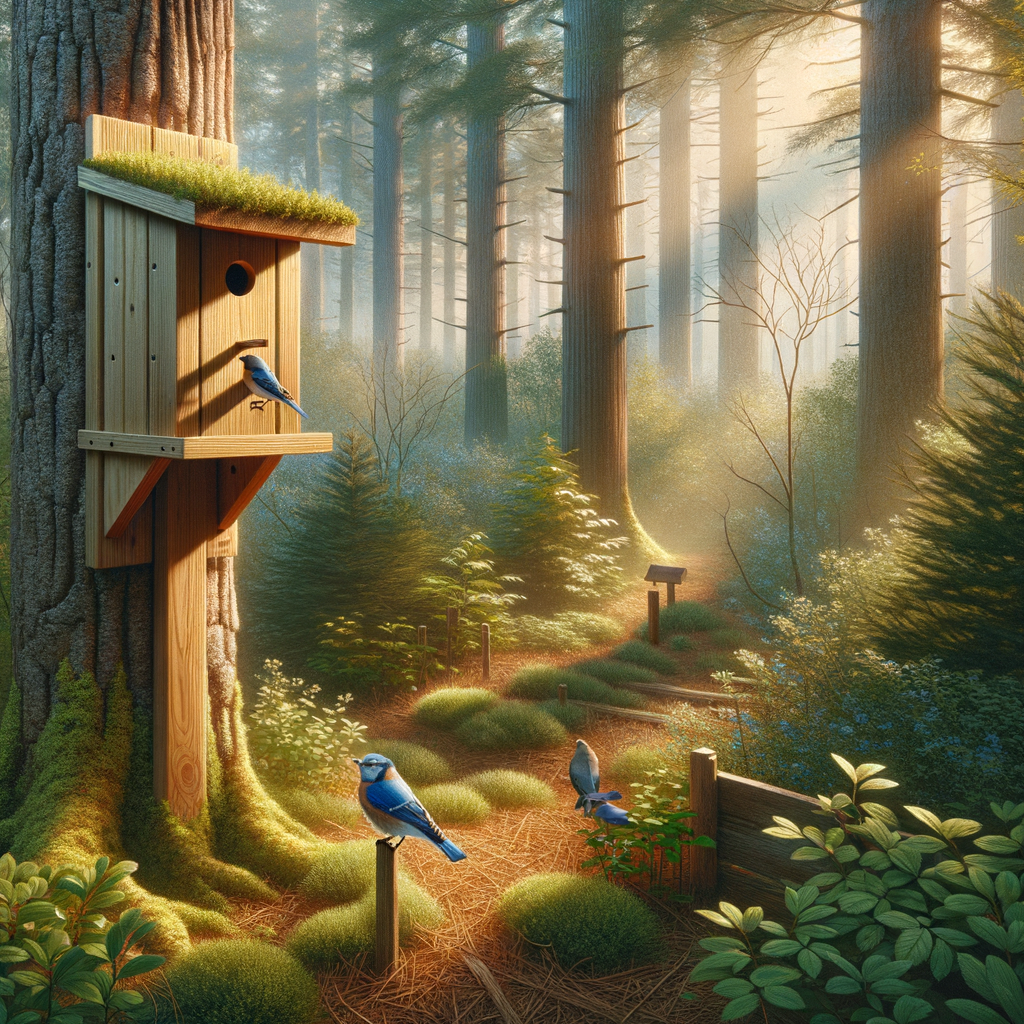
Nesting Box Installation Guide Insights for February
Whenever I think about installing nesting boxes, I see it as a meaningful way to support wildlife. February is a perfect time to prepare and set up these shelters, giving birds and other small creatures a safe place to raise their young when spring arrives. This process, while straightforward, needs some thought and care to ensure success.
Why Installing Nesting Boxes Matters
Nest boxes play a crucial role in supporting local wildlife. As natural habitats shrink and nesting sites become scarce, these boxes provide essential refuge. Think of them as miniature homes that help birds, bats, and even some small mammals survive and thrive. They also contribute positively to biodiversity and help maintain the balance of local ecosystems.
Setting up nest boxes is not just an environmental act; it connects us directly with nature. Watching birds take up residence or hearing bats flutter around at dusk creates a sense of fulfillment that few activities offer.
Preparing for Nesting Box Installation in February
February is a strategic month to install nesting boxes. The cold weather means birds and other animals are still searching for safe spots to settle come spring. If you get the timing right, your boxes will be ready and waiting when they need them most.
Before starting, assess your outdoor space. Find a quiet, sheltered area that mimics a natural nesting site. Check the surroundings for predators and human disturbances. Ideal spots are often near trees or shrubs but avoid placing boxes right in the open. Remember, location can make or break the success of your nesting box.
Step-by-Step Nesting Box Installation Guide
Here is a practical approach to installing nest boxes effectively.
1. Choose the Right Type of Nesting Box
Not every species uses the same type of box. Research local wildlife to find the right size and design. Bluebird boxes differ from those intended for chickadees or bats. Using the correct box improves occupancy rates and ensures you are truly helping the intended species.
2. Gather Quality Materials
Durability matters. Use weather-resistant wood such as cedar or pine. Avoid treated wood or toxic paints that could harm wildlife. The box should have ventilation holes and drainage holes to keep it dry and comfortable inside.
3. Position Boxes Properly
Height matters. Most bird nesting boxes should be installed between 5 and 15 feet above ground. Ensure the entrance faces away from prevailing winds, often east or southeast, to shield occupants from bad weather. Avoid direct sunlight that can overheat the box.
4. Secure the Box Firmly
Use screws or brackets that won’t damage trees or poles over time. Avoid nails as they can loosen with weather changes. The box must stay stable during storms and high winds to protect the inhabitants.
5. Maintain and Monitor
Once the boxes are installed, check them monthly but avoid disturbing nesting during use. Clean out old nesting material in the fall after breeding season to prepare for the next year. Monitoring helps track which species use the box and alerts you to any repairs needed.
Common Challenges and How to Overcome Them
Installing nesting boxes might sound simple, but there are hurdles.
-
Predators: Raccoons, snakes, and squirrels might raid boxes. Installing predator guards or baffles can protect your nesting friends.
-
Weather Damage: Harsh weather can degrade boxes quickly. Using sturdy materials and proper placement mitigates this.
-
Inappropriate Location: Boxes in noisy or unsafe areas may go unused. Patience and observation help identify better spots.
How You Can Help Local Wildlife Right Now
You don’t need to be an expert to make a difference. Installing a nesting box is a fantastic start. Beyond that, planting native shrubs and trees offers natural shelter and food sources. Avoid pesticides and keep cats indoors to give birds a safe environment. Sharing your experiences with neighbors and friends spreads awareness and builds community efforts.
Final Thoughts
Installing nesting boxes is a simple yet powerful act. Each box installed in February sets the stage for a healthier, more vibrant outdoor space come spring. It’s about giving nature a little help, a safe space to flourish, and in return, welcoming the wonders of wildlife right to your doorstep.
The joy of seeing that first bird family moving in or hearing the flutter of wings at twilight is deeply rewarding. It reminds me daily that even small actions in our own backyards can have a lasting impact.
Ready to get started this February? Your local birds will thank you!
If you want to learn more or find nesting box plans, check out regional wildlife organizations or community groups. Together, we can nurture wildlife and enjoy the beauty they bring.