Neighbor-To-Neighbor Planting Insights for February
A few years ago if you asked me about community engagement and education I might have given you a textbook answer. Community engagement means working together with groups of people to solve challenges that affect their daily lives. Education? Just learning stuff right? But after spending time getting involved in local planting projects and watching neighborhoods blossom I realized these ideas are so much deeper and livelier than any definition can capture.
What Does Community Engagement Really Mean When It Comes to Planting
Community engagement is not just about showing up once or organizing a one-day event. It’s about connection and conversation. Building trust takes time and effort—trust you cannot rush. It means listening to neighbors whose voices often go unheard and making sure their ideas shape how things grow. Whether it is a local garden club or a group planting trees in shared spaces real progress depends on everyone feeling like they belong and have a say.
From my experience it gets so much easier to get projects off the ground when people know they are part of the process not just recipients of something handed down. And honestly that feeling of ownership is what keeps the green growing long after the first seed sprouts.
Education in the Community Is More Than Just Lessons
When I talk about education especially in neighborhoods I do not mean sitting in classrooms. This is lifelong learning happening outside traditional walls. It is sharing tips on how to grow vegetables in small spaces, swapping seeds that work well in the local climate, or teaching each other about pollinators like bees and butterflies.
Community planting education focused on local needs has a different kind of power. People don’t just memorize facts. They learn how to improve their gardens and the environment around them. Gentle teaching paired with hands-on planting gets results that last.
Why Engagement and Education Work Best Together
If you try to engage people without educating them it will feel shallow, like a one-off planting party that fizzles out. If you educate without involving people it feels like preaching from above and doesn’t connect.
When you join engagement and education the magic happens. In many of the neighbor-to-neighbor planting projects I’ve witnessed this synergy:
- Neighbors talk openly to name their planting challenges and goals
- Workshops and demonstrations are created around what the community wants and needs
- People swap tips, stories, and encourage each other
- Leaders emerge naturally who help guide ongoing efforts
- Projects thrive because the community owns them and feels responsible for their success
Starting Neighbor-to-Neighbor Planting: Practical Steps That Work
Often I get asked where to start if you want to boost planting and learning in your neighborhood. There is no one perfect way but here are some proven strategies from what I have seen work best:
1. Listen Deeply Before Acting
Create welcoming spaces where neighbors feel safe to talk about their hopes and worries. Ask what they want to grow and what skills they want to build. Respect local customs and traditions in the process. This sets a foundation to avoid pushing outside agendas.
2. Partner with Trusted Local Leaders
No one knows the neighborhood like those who live there. Working with elders, gardeners, or community organizers builds trust and helps tailor your planting education to fit local styles and culture.
3. Keep Activities Hands-On and Relevant
Avoid boring lectures. Use storytelling, group planting days, seed swaps, and cooking meals with harvested vegetables. This kind of learning sticks because it connects to daily life and feels fun.
4. Use Many Ways to Share Information
Since people learn differently use a mix of social media posts, flyers, neighborhood bulletin boards, word of mouth, and face-to-face chats to reach as many as possible. This variety helps bring diverse groups on board.
5. Track What Works and Adjust
Measure progress not just by numbers but by gathering stories and feedback. What helped? What barriers remain? Use what you learn to keep improving your planting efforts month by month.
The Ripple Effect of Neighborly Planting
When neighbors get involved in planting and learning together something beautiful happens. Communities become more resilient, healthier, and more connected. I’ve seen neighbors start advocating for better green spaces, influencing city plans, and inspiring nearby areas to begin their own planting journeys.
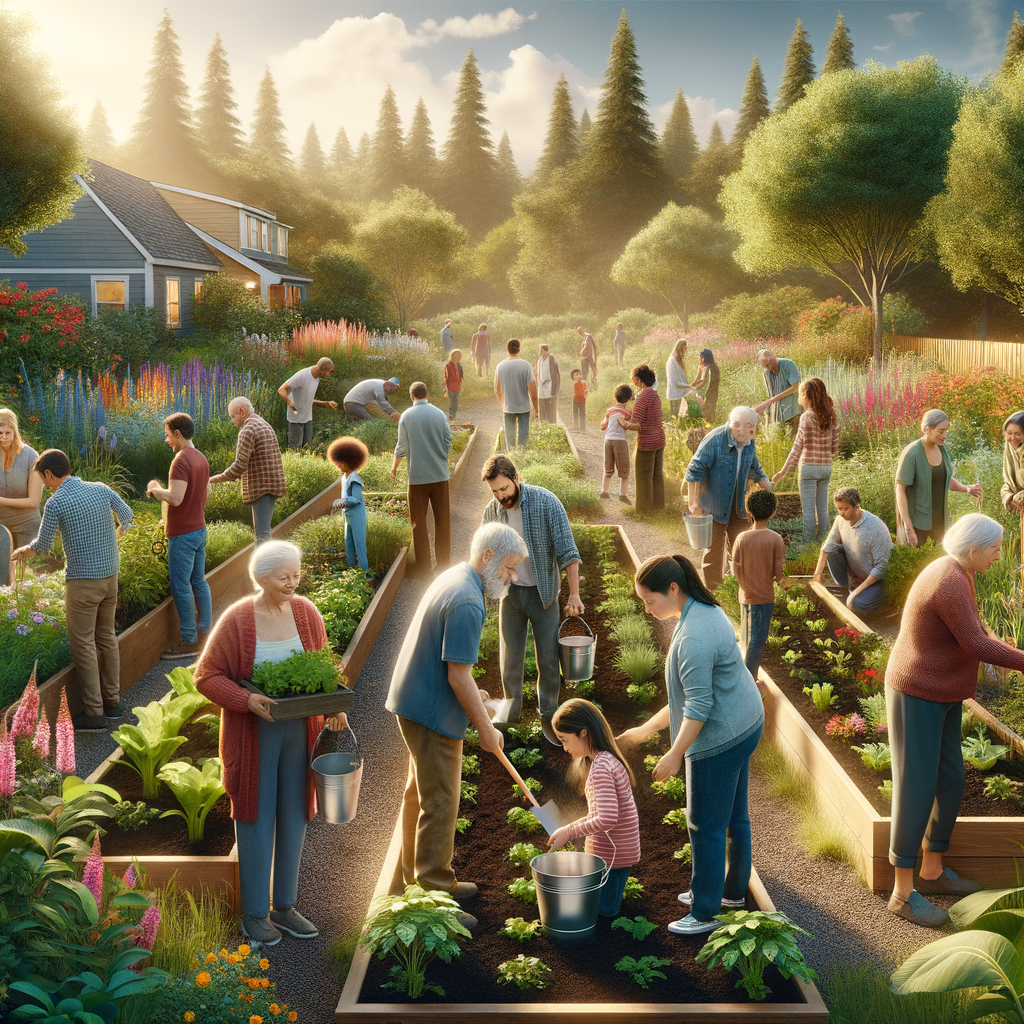
Imagine neighbors joining hands to plant community gardens, then sharing fruits and vegetables at block parties. Parents teach kids about growing food and local wildlife. Suddenly a whole ecosystem of caring and learning blossoms—not just in the soil but in relationships and shared pride.
Final Thoughts: Why This Neighborly Work Truly Matters
Building neighbor-to-neighbor planting and education efforts is not easy. It takes patience, humility, resources, and sometimes dealing with setbacks. But the payoff is real: thriving green spaces, empowered neighbors, and a sense of belonging that money cannot buy.
Community engagement and education, especially in planting, are engines of growth and shared success. I feel fortunate to be part of this ongoing journey and excited for what we can do when we listen, learn, and plant together.
If you’re reading this wondering where to begin just start small. Find one neighbor who shares your passion. Ask questions. Show respect. Because every big change in a community begins with that one first seed planted together.
Have you been part of a neighbor-to-neighbor planting project that inspired you? Please share your story or ideas in the comments below. I look forward to hearing from you.