Native Grassland Revival Insights for December
If you had asked me ten years ago about restoring native grasslands, I might have stumbled over a few eco-phrases without really grasping the full picture. Today, it’s a passion that drives me—a mission to bring these vital ecosystems back from the brink and watch them flourish once more.
What Does Native Grassland Revival Really Mean
Native grasslands are more than stretches of waving grasses; they are vibrant homes to countless species—from tiny pollinators to grazing mammals. Restoring these areas means repairing the delicate balance between soil, native plants, insects, and wildlife that depend on them.
But restoration is far from throwing a handful of seeds on the ground. It takes careful planning, respecting what is unique about each grassland patch and its history. You need to understand soil health, water patterns, native species, and how invasive plants have disrupted the natural rhythm.
Why Reviving Native Grasslands Is Vital
The losses these ecosystems have faced have been steep. Urban growth, agriculture, and invasive species have all chipped away at grassland habitats, causing ripple effects across biodiversity and the environment.
Here is why it matters so much:
- Protecting Biodiversity: Native grasses provide food and shelter for birds, insects, and mammals that rely solely on these habitats.
- Supporting Ecosystem Functions: Healthy grasslands improve soil fertility, water filtration, and carbon storage.
- Fighting Climate Challenges: Grasses and deep roots store carbon underground, mitigating greenhouse gases.
- Preserving Cultural Landscapes: Many communities share deep connections to these lands, which play roles in traditions and livelihoods.
The Roadmap to Grassland Restoration
Bringing native grasslands back to life is a step-by-step journey.
1. Assessing the Damage
The first order of business is understanding what has harmed the grassland—was it invasive plants choking out natives? Soil erosion? Overgrazing? Each factor demands a tailored approach.
2. Removing the Threats
This may mean physically removing invasive species like smooth brome or Canada thistle. Grazing pressure might need to be managed or reduced. Sometimes controlled burns are used to mimic natural cycles and clear out old growth.
3. Reintroducing Native Species
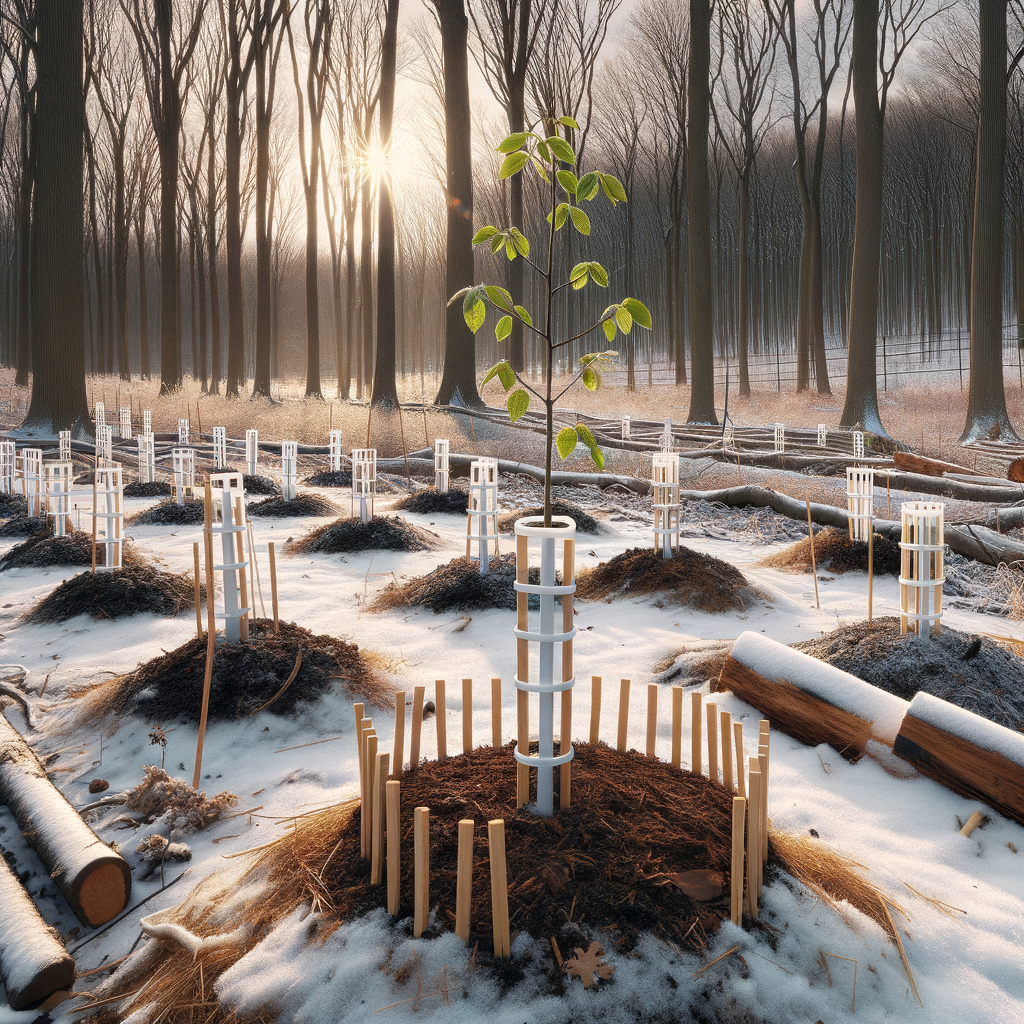
Then comes the hands-on work—planting native grasses and wildflowers suited to the local conditions. Timing is critical; seeds often require specific conditions to take root.
4. Continuous Monitoring and Adaptation
Restoration isn’t a one-time fix. Tracking the growth, soil health, and species return helps adapt the process. Flexibility allows the restoration to respond to unexpected challenges.
5. Community Engagement
Local involvement is a cornerstone of success. When communities learn about and take part in revival efforts, the restored grasslands gain caretakers who ensure they last.
Challenges Along the Way
Restoring native grasslands is not without hurdles.
- Money and Resources: The work can demand significant investment, especially in large areas.
- Balancing Uses: Land often sustains nearby farming or recreation; aligning these needs with restoration goals requires dialogue.
- Climate Variables: Droughts or extreme weather events can slow progress and affect seedling survival.
- Patience Is Essential: Native grasslands regenerate slowly; this is a marathon, not a sprint.
Each obstacle sharpens the commitment needed and highlights the importance of partnerships and resilience.
Success Stories That Fuel My Passion
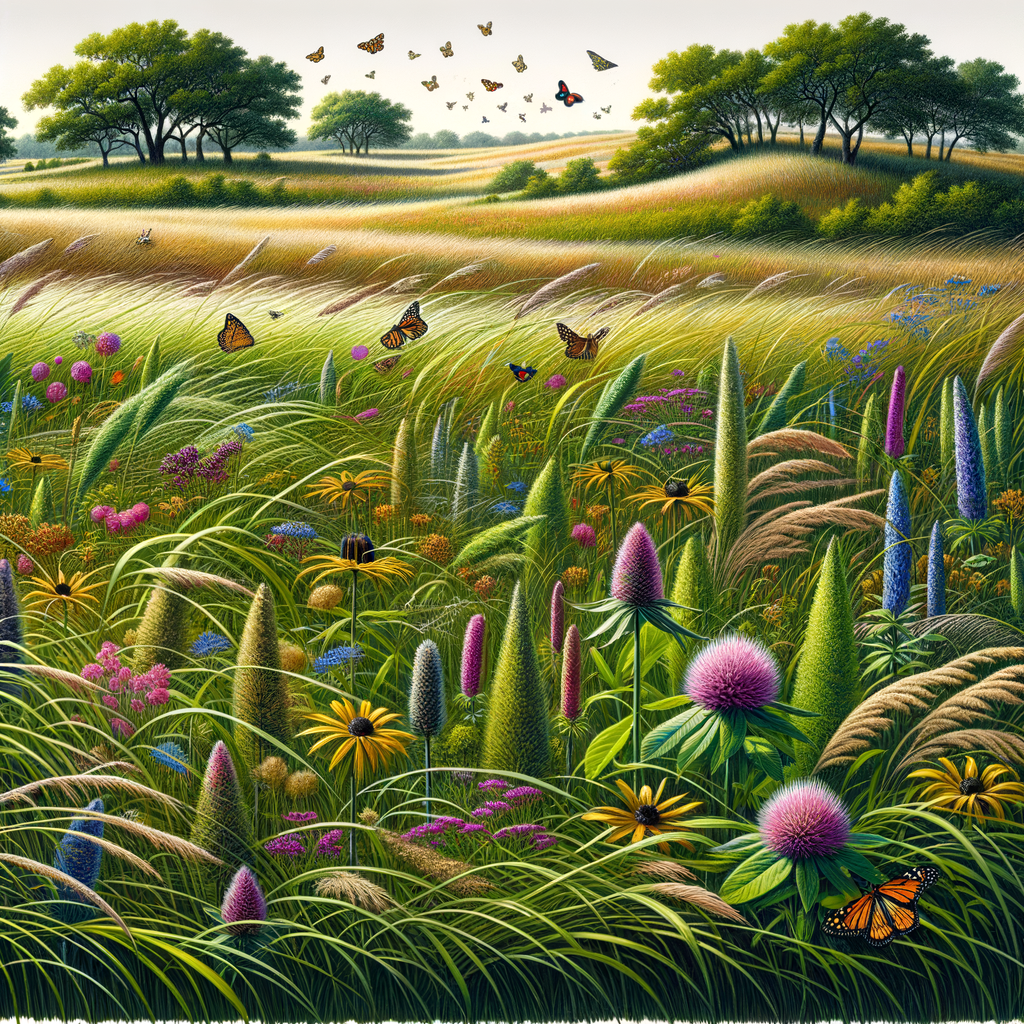
One project I hold close involved a severely degraded prairie once dominated by invasive species. Over several years, with community volunteers and ecologists working side by side, native grasses and flowers returned, attracting butterflies, bees, and ground-nesting birds. The land transformed from bare patches into a tapestry of vibrant green and blooming colors. This revival turned skeptics into advocates, and the local school now uses the area for environmental education. Moments like these remind me why this work is so important.
How You Can Help Revive Native Grasslands
Think you’re too far removed or too small to make a difference? Think again.
- Join Local Restoration Efforts: Volunteer with groups focused on native habitat restoration in your area.
- Plant Natives at Home: Your garden can become a refuge for pollinators and support local biodiversity.
- Advocate: Encourage policies and funding that protect native grasslands and promote restoration.
- Educate and Inspire Others: Knowledge spreads action—share what you learn about grasslands and their importance.
Restoring native grasslands belongs to all of us. It is a joint journey to restore a vital piece of nature’s puzzle.
Final Thoughts
Reviving native grasslands is a blend of science, hard work, patience, and community spirit. It’s about reconnecting with the rhythms of the land and healing scars inflicted by past activity. This process breathes life into soil, plants, animals, and people alike. I invite you to join this effort. Together, we can restore these lifelines of nature one blade of grass at a time—because when grasslands thrive, so do we all.