Municipal Tree-Planting Incentives Insights for December
Lately, I have been thinking a lot about how policy and funding intersect with municipal tree-planting incentives. At first glance, it might seem like a narrow topic. But when you take a closer look, it becomes clear that these incentives are a crucial part of urban conservation, community health, and our fight against climate change. Every tree planted on city streets or in neighborhood parks tells a story about policy decisions and funding priorities.
Why Policy Matters for Tree Planting
Policy is the backbone of municipal tree-planting efforts. By policy, I mean the set of rules, programs, and initiatives local governments create to encourage or require planting trees. These policies often decide where trees go, who pays for them, and how long they get cared for. Without clear policies, tree-planting programs can become scattered or ineffective.
From zoning laws that require green space in new developments to tax breaks for homeowners who plant trees, policies shape the urban forest. And enforcement cannot be forgotten. A policy on paper does little good without follow-through and maintenance rules.
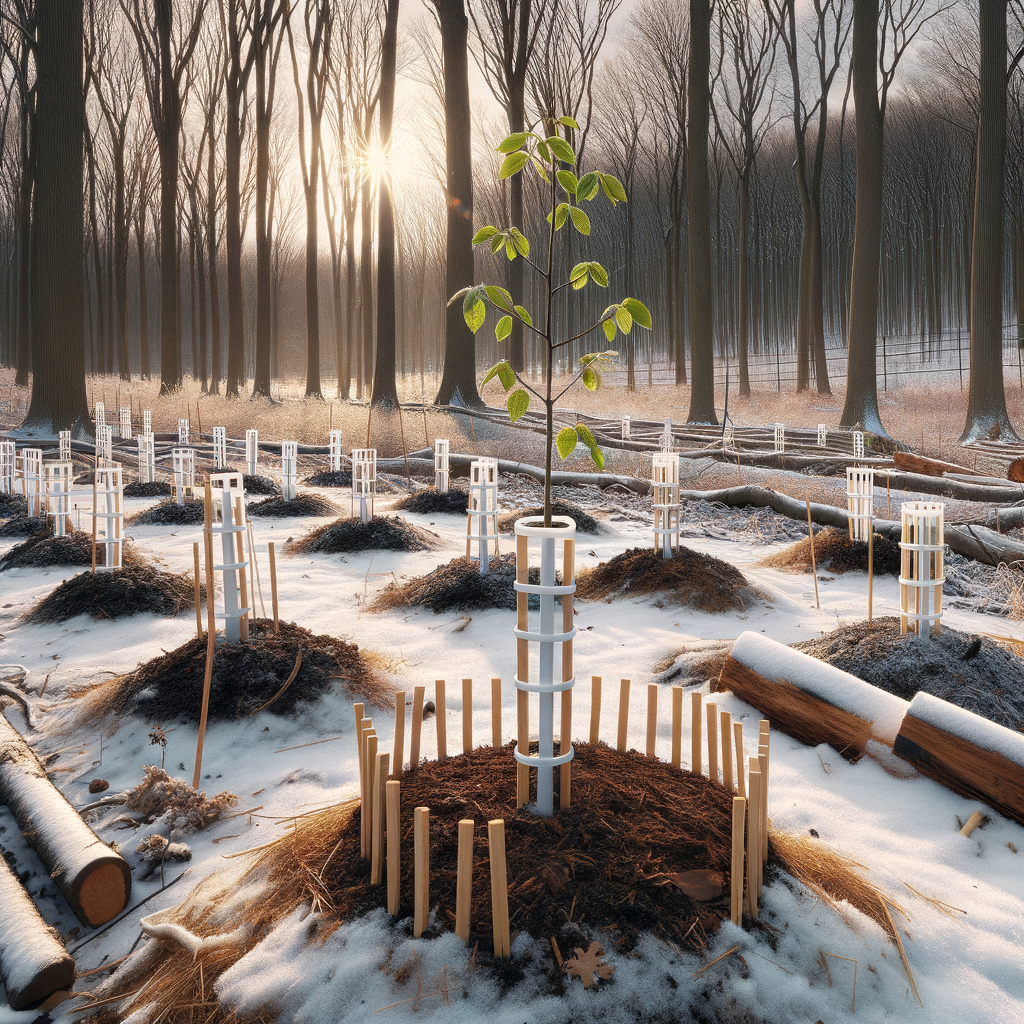
The most successful municipal initiatives I have seen are those where policy supports not only planting but also long-term tree care. This includes watering, pruning, and protecting young trees from damage.
How Funding Drives Success
Of course, policies need funding to breathe life into them. Tree planting requires resources beyond just buying saplings. Funding covers planting crews, soil preparation, and often educational programs to engage residents. It is a common challenge for municipalities to find enough money for these efforts.
Where does this money come from? Often from city budgets, but depending on the place, grants from environmental groups, partnerships with local businesses, and even fundraising campaigns add to the pot. Some cities have started using innovative financing mechanisms like green bonds to support urban forestry projects.
All these funding sources face stiff competition. Cities juggle many urgent needs, from public safety to road repairs. Unfortunately, urban forests can sometimes lose out when budgets tighten.
The Challenges in the Field
Urban tree-planting incentives face several tough challenges. First, there are space limitations. In dense cities, finding viable spots for tree planting requires creativity and sometimes revisiting policies governing sidewalks and streets. Next is community buy-in. Residents must feel involved and valued in these programs to ensure the trees get cared for over the years.
Climate change also complicates species selection and maintenance protocols. Trees must withstand more heat, drought, or storms, which means policy and funding have to adapt to tougher conditions.
Lastly, the monitoring and reporting of planted trees are essential. Without these, it is hard to prove the value of investments and push for future funding.
Why Integrating Policy & Funding is a Tree-Planting Game-Changer
If there is one thing I am sure about, it is that integrating policy and funding creates unstoppable momentum for municipal tree planting. Policies provide the framework and incentives, while funding makes the vision tangible.
Take a look at cities offering financial incentives to homeowners and developers through rebates or tax relief for planting and caring for trees on private property. These programs often depend on solid policies outlining eligibility and clear funding pathways to deliver those incentives.
Elements like this connect the dots between motivation, action, and resources — a powerful combination for growing urban forests.
What We Can Do Now
If you want to support municipal tree-planting efforts, here are some ways you can help:
- Stay informed about your local government’s policies and budget priorities related to urban forestry. Attend city meetings or follow announcements.
- Advocate for expanding tree-planting incentives, especially those that offer financial support to residents and businesses.
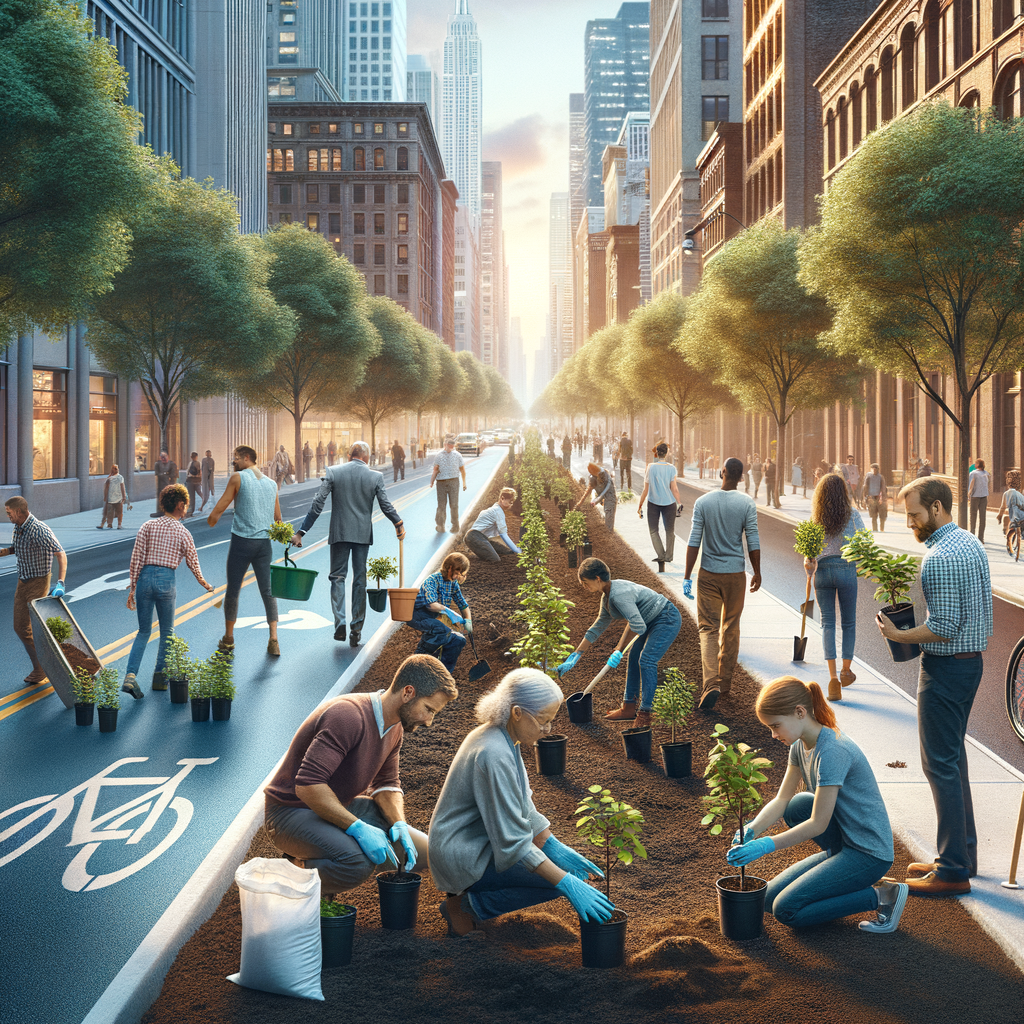
- Volunteer with local tree-planting groups or participate in community forestry days.
- Encourage transparency by asking how municipal funding for tree programs is allocated and tracked.
- Promote creative funding ideas like partnerships between public agencies and private companies to share costs and benefits.
Final Thoughts
Municipal tree-planting incentives are not just about planting more trees. They are about making cities healthier, cooler, and more livable for generations. The policy decisions and funding you support today shape the urban canopy tomorrow.
This is a complex issue with many moving parts. But the good news is every positive step counts. Together, by understanding the importance of both policy frameworks and stable funding, we can nurture urban forests that flourish.
Let’s keep pushing this agenda forward. After all, the trees we plant now are the shade and clean air future generations will cherish.