Microhabitat Creation Tips Insights for May
When I first came across the concept of microhabitats, I realized just how powerful small spaces in nature can be. These tiny pockets of environment support wildlife in ways we often overlook. Creating microhabitats is an essential part of wildlife habitat restoration, yet it doesn’t require vast lands or complex projects. It’s about working with what you have—whether a backyard, balcony, or community park—and making those spots alive, thriving, and welcoming to native flora and fauna.
What Are Microhabitats and Why Do They Matter
Microhabitats are small, specialized environments that provide shelter, food, or breeding grounds for specific plants and animals. They can be as simple as a patch of native wildflowers, a log left to decompose, or a small pond for frogs and insects. While they might seem insignificant, these small spaces create the building blocks for biodiversity. They contribute to healthier ecosystems by supporting pollinators, controlling pests naturally, and enhancing soil health.
A single microhabitat can play a major role in the bigger ecological picture. It may even help species survive in urban or suburban areas where natural habitats have been reduced.
Simple and Effective Microhabitat Creation Tips for May
May is a wonderful time to focus on microhabitat creation. The spring growth offers opportunities to set foundations that will flourish throughout the year. Here are practical tips that anyone can apply, no matter the space:
1. Choose Native Plants That Bloom at Different Times
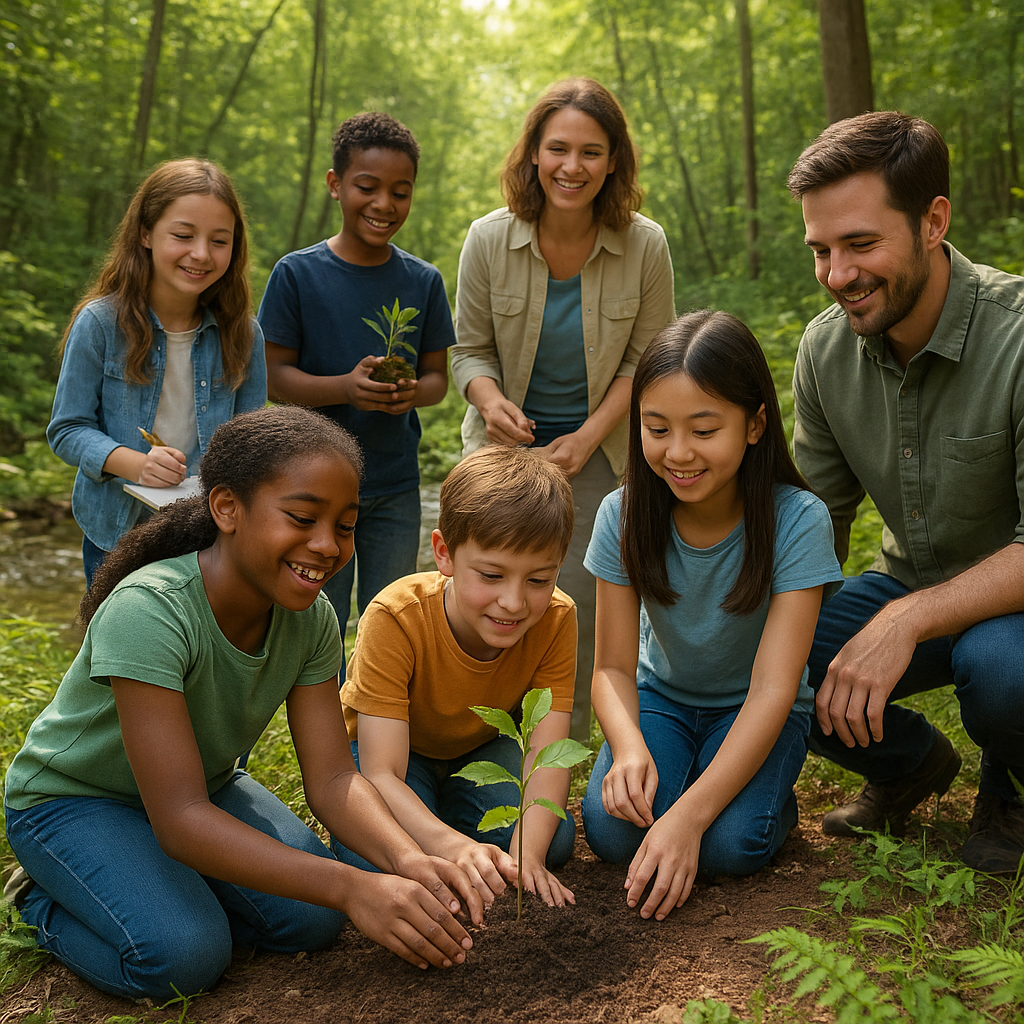
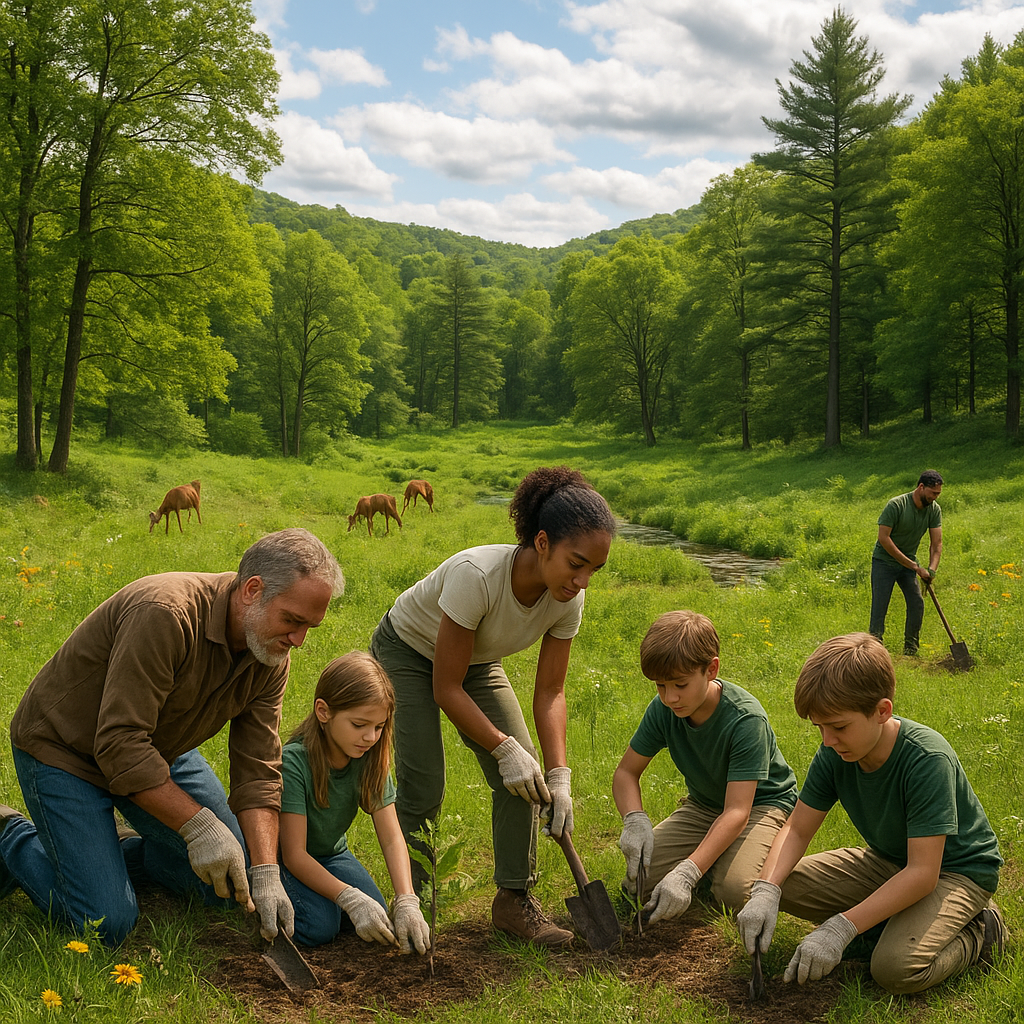
Plant a variety of native flowers, shrubs, and grasses that bloom from early spring to late fall. This continuous food source keeps pollinators like bees, butterflies, and hummingbirds energized. Different bloom periods also ensure the habitat stays vibrant and useful over many months.
2. Create Shelters Using Natural Materials
Place rocks, logs, or mulch piles in shaded corners or near gardens. These serve as hiding places for amphibians, reptiles, insects, and small mammals. Dead wood left to decay becomes a hotspot for fungi and insects essential to nutrient cycling.
3. Provide Fresh Water Sources
If space allows, add a small water dish or birdbath. Keep it clean and topped with fresh water regularly. Even a shallow pond or rain garden can support frogs, dragonflies, and thirsty birds.
4. Avoid Chemicals and Pesticides
Eliminating harmful chemicals helps maintain the health of your microhabitat. Pesticides can decimate insect populations, often the very foundation for a thriving ecosystem. Embrace organic gardening methods and natural pest control alternatives.
5. Include Structures That Attract Wildlife
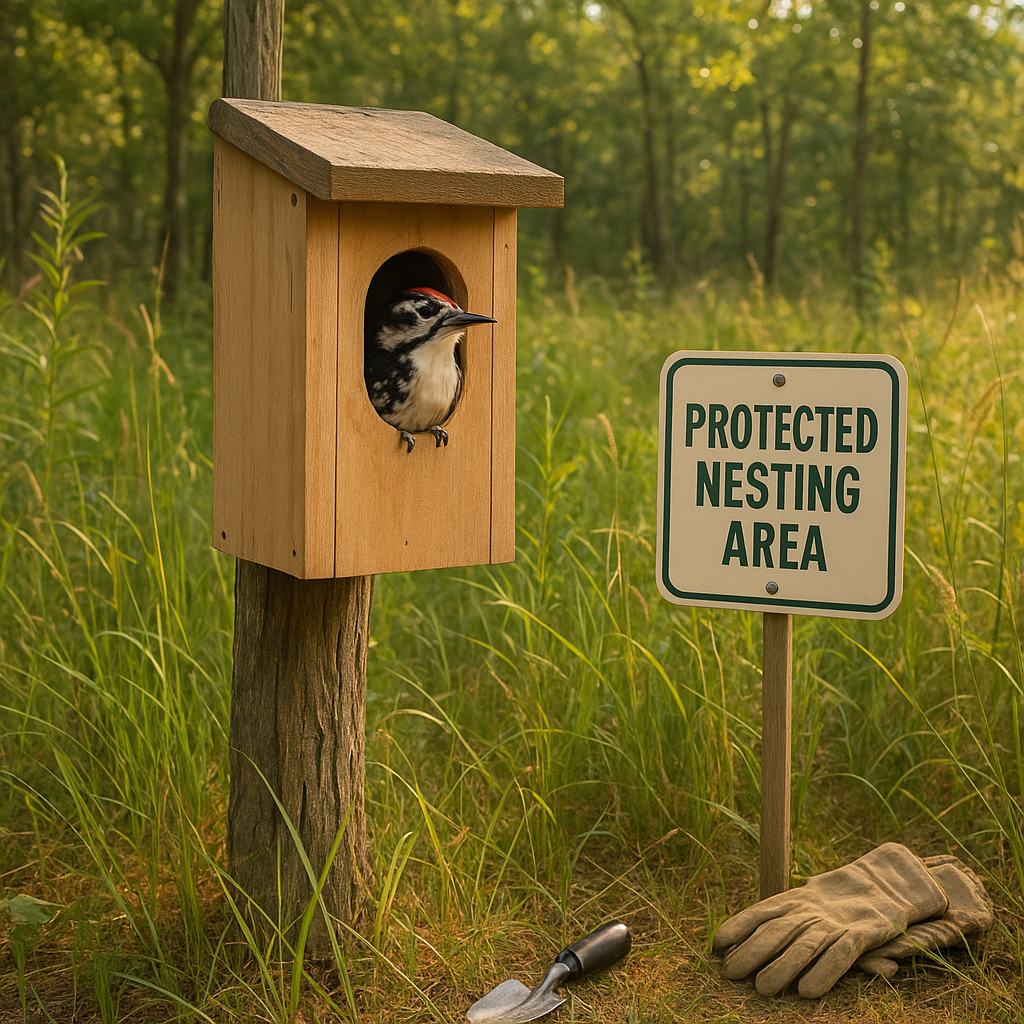
Install birdhouses, bat boxes, or insect hotels. These structures offer safe places for reproduction and rest. They are especially critical in urban settings where natural cavities are rare.
The Bigger Picture: Microhabitats and Wildlife Restoration
By focusing on microhabitats, we actively contribute to larger habitat restoration efforts. They serve as refuges for species displaced by habitat loss and help maintain genetic diversity. Microhabitats can also act as stepping stones, connecting larger natural areas and enabling wildlife movement.
Their creation fosters local engagement; people become guardians of small spaces that collectively make big differences. That connection nourishes both nature and community spirit.
Overcoming Challenges in Microhabitat Creation
Building a microhabitat comes with its own set of challenges. Invasive species may try to claim the space, unwanted predators might appear, or conditions like drought can make survival tough. That said, a little patience and observation go a long way. Learning what works locally and adapting accordingly strengthens the microhabitat over time.
It also helps to collaborate with neighbors or local environmental groups. Sharing knowledge and resources amplifies the impact beyond your immediate area.
Final Reflections: Small Actions, Big Impact
Creating microhabitats is a practical, fulfilling way to support wildlife all year round. May represents an opportunity—a fresh season to make spaces that nurture life on a small scale, contributing to a healthier planet overall.
If you take away one idea from this discussion, let it be this: even small areas have immense potential. By planting native species, providing shelter, and inviting water into your space, you create a vibrant microcosm where wildlife can thrive. So whether you manage a backyard garden, a community space, or a windowsill pot, your actions matter.
Let’s embrace the power of microhabitats this month. The results echo far beyond, helping ecosystems stay strong, resilient, and beautiful.
Interested in learning more or getting involved? Reach out to local conservation organizations or explore resources from groups focused on habitat restoration and native gardening. Together, every small step adds up to meaningful change.