Microhabitat Creation Tips Insights for February
When I first learned about creating microhabitats, I was truly fascinated. These small, carefully designed spaces can make a huge difference. They serve as vital pockets of life, supporting insects, birds, and small mammals. What excites me most is how easy it can be to craft these little sanctuaries in our own backyards, urban spaces, or community gardens.
Understanding Microhabitats and Why They Matter
Microhabitats are small, specialized environments within larger ecosystems. They provide essential resources such as food, shelter, and breeding grounds for wildlife. By focusing on microhabitats, we target the specific needs of local species. It is an actionable way to boost biodiversity on a manageable scale.
Creating and restoring microhabitats matter now more than ever. Habitat loss and climate change have pushed many species to the brink. But even modest efforts can bring life back into places that seem lifeless.
Besides enriching the environment, microhabitats help regulate our local climate, support pollinators critical to food production, and strengthen the resilience of ecosystems facing rapid change. Plus, working on these projects is both rewarding and educational.
My Top Tips for Creating Thriving Microhabitats
Here are some practical steps I have used, tested, and recommend for anyone interested in boosting local wildlife through microhabitat creation.
1. Start with Observation and Planning
Before diving in, take the time to observe your outdoor space throughout the day and across seasons. What natural features already exist? Are there sunny spots, shaded areas, damp patches? Understanding these variations will guide placement.
Make a simple plan. Identify the wildlife you want to support — pollinators, songbirds, amphibians — and research their habitat needs. This sets you up for success and helps avoid common pitfalls.
2. Provide Shelter With Native Plants and Natural Materials
Native plants are the cornerstone of good microhabitats. They offer food and shelter specifically suited to local wildlife compared to exotic species. Aim to include a diverse mix that flowers and fruits in different seasons.
Apart from plants, use logs, rocks, leaf litter, and brush piles to create hiding places and nesting spots. Even small piles of stones can serve as basking sites for reptiles or homes for insects. I find that natural materials connect the microhabitat to its surrounding ecosystem seamlessly.
3. Offer Water Sources Carefully
Water is life. Birds, amphibians, and many insects need it. Adding a shallow birdbath, small pond, or dripping source can attract a variety of species. Make sure water areas are safe — avoid steep edges or toxic chemicals.
I often place water sources near shrubs or other cover to make animals feel secure. Remember, stagnant water can breed mosquitoes, so keep water fresh and moving if possible.
4. Create Food Diversity
Feeding wildlife is about more than putting out feeders. Think seasonal abundance and variety. Plant native nectar-rich flowers, berry-producing shrubs, and seed-bearing grasses.
Leave some parts of the garden a bit wild. Seed heads or decaying plant stalks provide food and shelter, especially during winter. Avoid using pesticides because they can harm beneficial insects and disrupt the food chain you are nurturing.
5. Manage Invasive Species
One of the biggest challenges to microhabitat health is invasive plants or pests that dominate and reduce biodiversity. Removing or controlling these is essential.
It may take patience but replacing invasive species with native alternatives pays off richly over time in ecosystem balance. Don’t hesitate to ask local experts for advice on invasive species in your area.
6. Monitor, Maintain, and Adapt
Building a microhabitat is just the start. Regular monitoring helps you understand what works and what needs adjustment. I document changes, note species visits, and tweak planting or features based on results.
Maintenance does not mean over-tidying. Leaving leaf litter, fallen branches, or some bare soil benefits many small creatures. But keeping paths clear and ensuring water sources remain healthy keeps everything thriving.
Overcoming Challenges Without Losing Heart
Creating microhabitats is not without obstacles. Space limitations, urban pollution, or neighbors who don’t understand the value of natural spaces can be discouraging. I have faced these too.
The key is persistence and community engagement. Sharing your passion, showing quick wins like visiting birds or butterflies, often wins support. Collaborate with neighbors or community groups for larger impact.
Also, be realistic. A microhabitat might never look like a wild forest or untouched meadow. But it can be a vital refuge and part of a bigger network restoring landscapes piece by piece.
Real-Life Inspirations That Keep Me Going
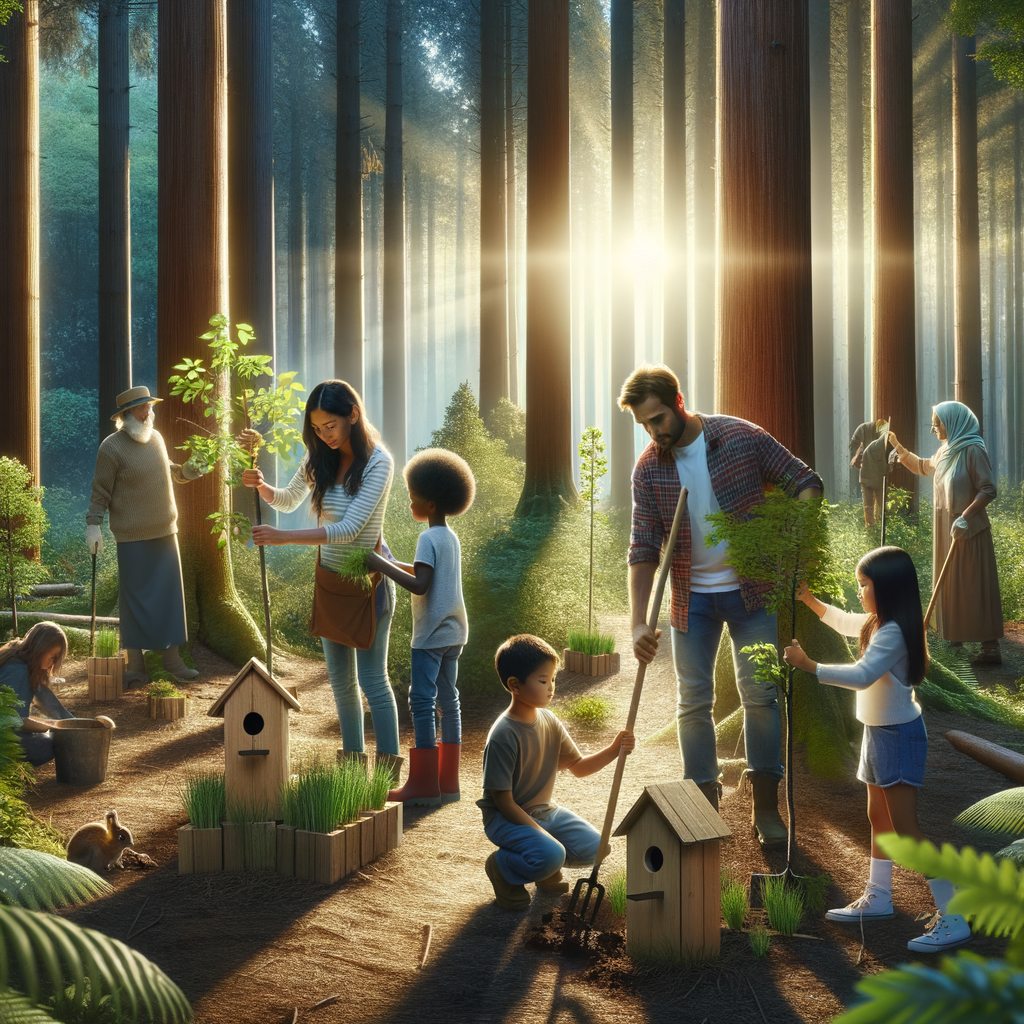
I remember visiting a small schoolyard where students transformed a bare patch into a thriving pollinator garden. The joy on their faces watching bees and butterflies was priceless. This microhabitat created pockets of life in a sea of concrete.
Closer to home, I created a small rock pile garden that quickly attracted lizards and spiders. Each visit brought surprises — a new songbird perching, a frog hiding near the water bowl. Those moments reinforce why even the smallest actions matter.
How You Can Make a Difference Starting Today
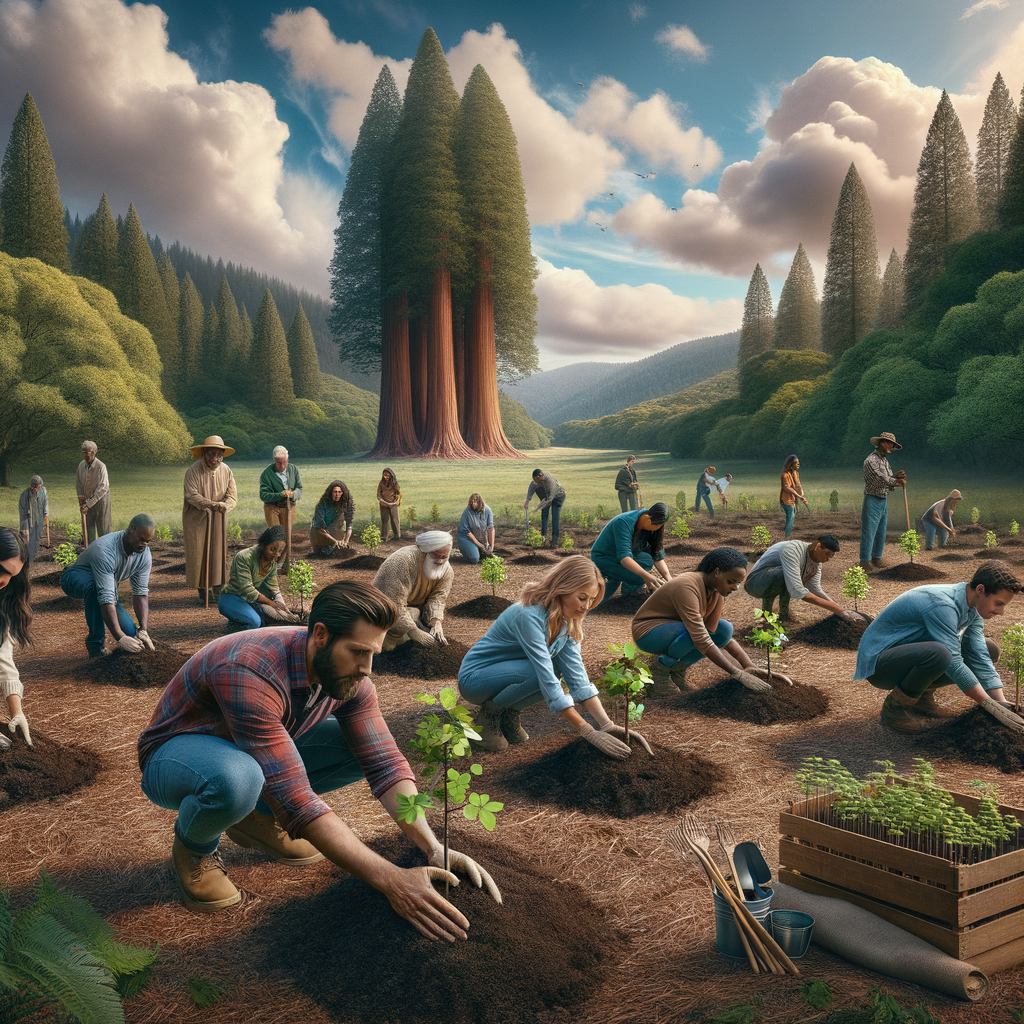
Microhabitat creation is accessible. Whether you have a balcony, yard, park corner, or community plot, you can begin with a few simple steps.
- Observe your space and local wildlife needs.
- Plant native species and add natural materials.
- Provide clean water sources.
- Avoid pesticides and embrace seasonality.
- Join local conservation groups or restoration projects.
Every small space restored becomes a building block in our planet's recovery.
Final Reflections
Microhabitat creation is a deeply rewarding way to connect with nature and support wildlife in immediate, tangible ways. It requires a mix of action, care, and patience. Most importantly, it offers hope.
We have the tools to heal even the smallest patches of land. And as these small habitats grow and link, they rebuild resilience in our environment. I encourage you to take this journey with an open heart and curious mind. Together, our efforts will write a story of renewal that benefits all life on Earth — one microhabitat at a time.
For more resources and to find local restoration opportunities, connect with groups like The Nature Conservancy or the World Wildlife Fund. Let us restore hope, one microhabitat at a time.
Start today. Create life. Watch nature bloom in unexpected places.