Microhabitat Creation Tips Insights for August
When it comes to wildlife habitat restoration, many people think about large-scale projects — vast forests, sprawling wetlands, and reforested watersheds. But what about the small, unnoticed places around us? The tiny patches of nature that can support insects, birds, and small mammals? That is where microhabitat creation plays a crucial role. After spending time working on habitat restoration firsthand, I realized that even small-scale efforts can have a powerful impact on local ecosystems. So today, I want to share practical microhabitat creation tips to help you make a difference this August and beyond.
What Is Microhabitat Creation and Why It Matters
Microhabitats are small environments that support distinct communities of plants and animals. They can be as simple as a cluster of native wildflowers, a log left to decay naturally, or a small pond built in your backyard. Despite their size, microhabitats offer critical resources like shelter, food, and breeding spots for wildlife.
Creating microhabitats is more than just planting a few flowers or throwing some stones around. It’s about intentionally designing spaces that mimic natural conditions, encouraging biodiversity even in urban or suburban settings. With over three-quarters of the world’s lands altered by human activity, these small habitats become precious refuges for many species.
Practical Tips for Creating Microhabitats
1. Plant Native Species
Native plants are the cornerstone of any microhabitat. They have evolved alongside local wildlife and provide the best sources of nectar, seeds, and shelter. In August, choose late-blooming native wildflowers to extend the available food supply for pollinators like bees and butterflies before the colder months.
2. Add Layers with Shrubs and Ground Cover
Structure matters. By including layers—tall shrubs, mid-level bushes, and low ground cover—you create complexity that supports various creatures. Birds may use the upper layers for nesting, insects may thrive in the layers beneath, and small mammals find shelter close to the ground.
3. Create Water Features
Even a shallow birdbath or a small pond can become a lifeline during warm months. Water attracts amphibians, birds, and countless insects. Make sure your water source has gentle slopes or stones so that small animals can safely access it without risk of drowning.
4. Leave Dead Wood and Natural Debris
Resist the temptation to clear every fallen branch or log. Dead wood serves as a habitat for fungi, insects, and many decomposers that are vital parts of the food web. It also can provide shelter for frogs, reptiles, and small mammals.
5. Build Brush Piles or Rock Piles
Brush piles are easy to create and become hibernation sites or nesting spots for birds and small mammals. Similarly, a neat stack of rocks offers hiding places for reptiles, amphibians, and invertebrates.
6. Limit Lawn Areas
Lawns often offer little ecological value. Reducing managed lawn space and replacing it with native plants and wild areas can transform your yard into a microhabitat hotspot.
Overcoming Common Challenges
Building microhabitats is rewarding, but it comes with challenges. Invasive plants can quickly overrun native species if left unchecked. Be vigilant, removing unwanted species regularly. Water availability might become a concern during dry months, so irrigation may be needed to sustain newly planted natives initially.
Patience is key here — nature doesn’t bounce back overnight. Yet, by consistently nurturing these microhabitats, you foster resilience in your local environment.
Why Your Small Efforts Matter
You might think one patch of native plants or a single brush pile won’t change much. But when multiplied by many people and properties, these microhabitats create vital corridors and stepping stones for wildlife movement and survival. They boost local biodiversity, support pollinators crucial for food crops, and help stabilize microclimates on hot days.
I’ve seen this effect up close—when a once barren area gains even a few native plants and water features, birds start visiting, bees buzz more, and the whole space feels alive. You get the kind of satisfaction that only comes from watching life slowly return.
A Personal Experience That Changed My View
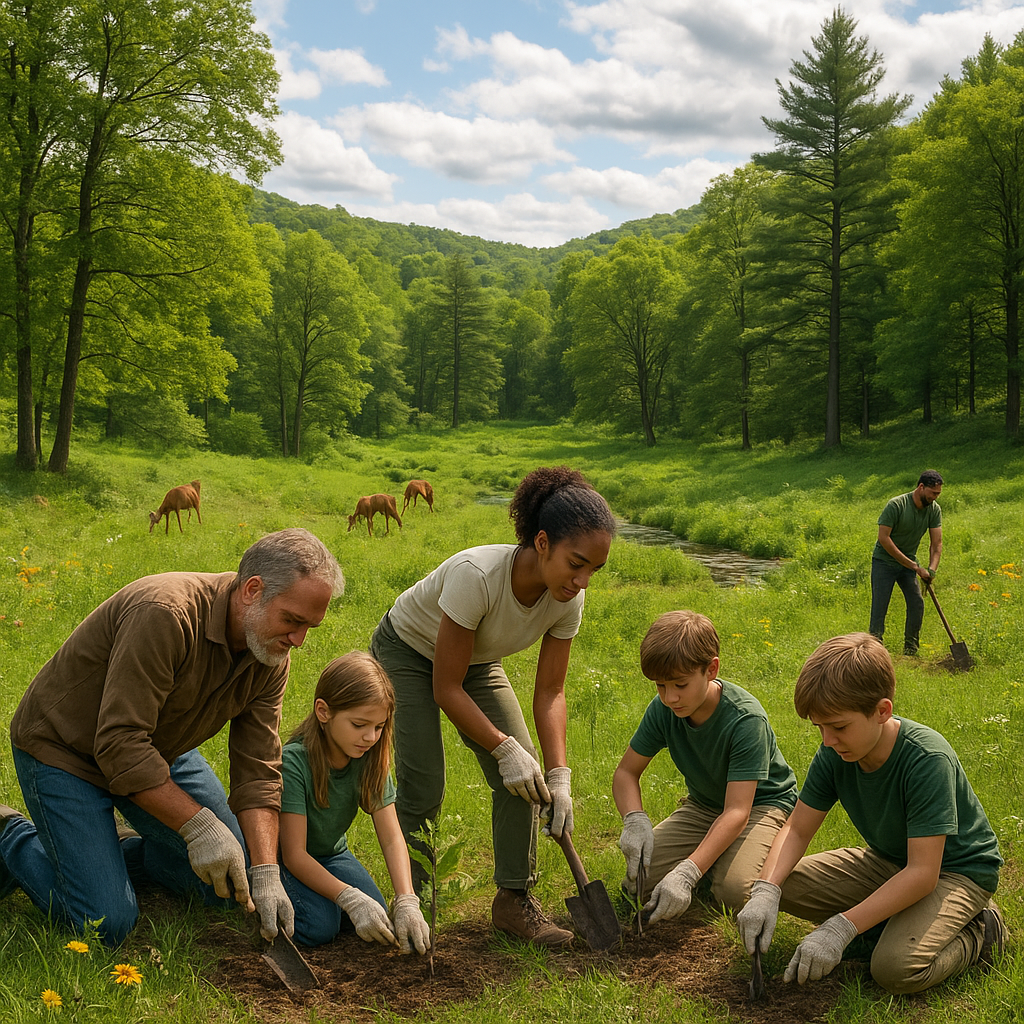
Last summer, I volunteered with a group focused on restoring a small urban park nook. The area was once overrun with invasive weeds. We cleared a space, planted native wildflowers and grasses, added a shallow water basin, and even assembled a small rock pile. It wasn’t glamorous work—wet feet, stubborn roots, and sweat—but the payoff was clear.
Within weeks, I noticed new bird visits and more insects buzzing around. That little patch became a sanctuary in the city. It taught me that even small-scale restoration matters deeply — and each one of us can help.
Final Thoughts: Start Small, Think Big
The future of wildlife depends not only on huge conservation projects but also on countless microhabitats thriving in unexpected places. Whether you have a big backyard, a balcony, or a community garden, you can create pockets of nature that support biodiversity.
This August, why not commit to making your outdoor spaces more wildlife-friendly? Plant native flowers, place a rock pile, put out a water dish, or simply leave a log to decay naturally. Those small steps will ripple outward.
Together, we have the power to create landscapes full of life — one microhabitat at a time.
Boost your local biodiversity now. Take action with these microhabitat creation tips and watch your corner of the world come alive.